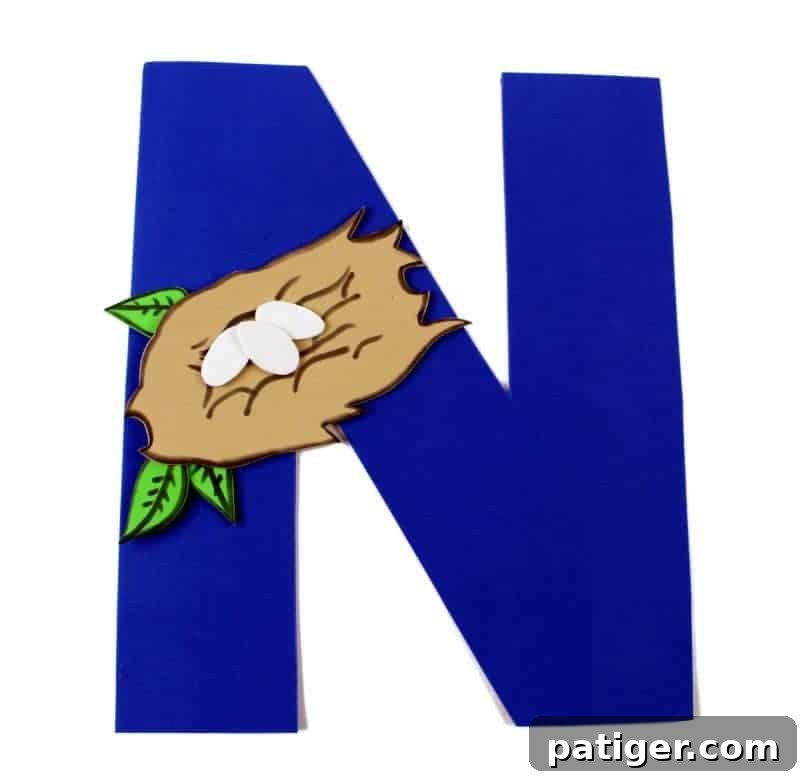
Embark on an exciting journey of early literacy with our captivating “Letter N is for Nest” craft, complete with a convenient printable template. As a cherished installment in our popular Letter of the Week craft series, this engaging activity is meticulously designed to ignite letter recognition skills and foster a love for learning in preschoolers and young learners. We believe that hands-on experiences are paramount in foundational education, and this delightful nest-building adventure offers a multi-sensory approach to understanding the letter N, connecting its shape and sound to a familiar and fascinating concept from nature.
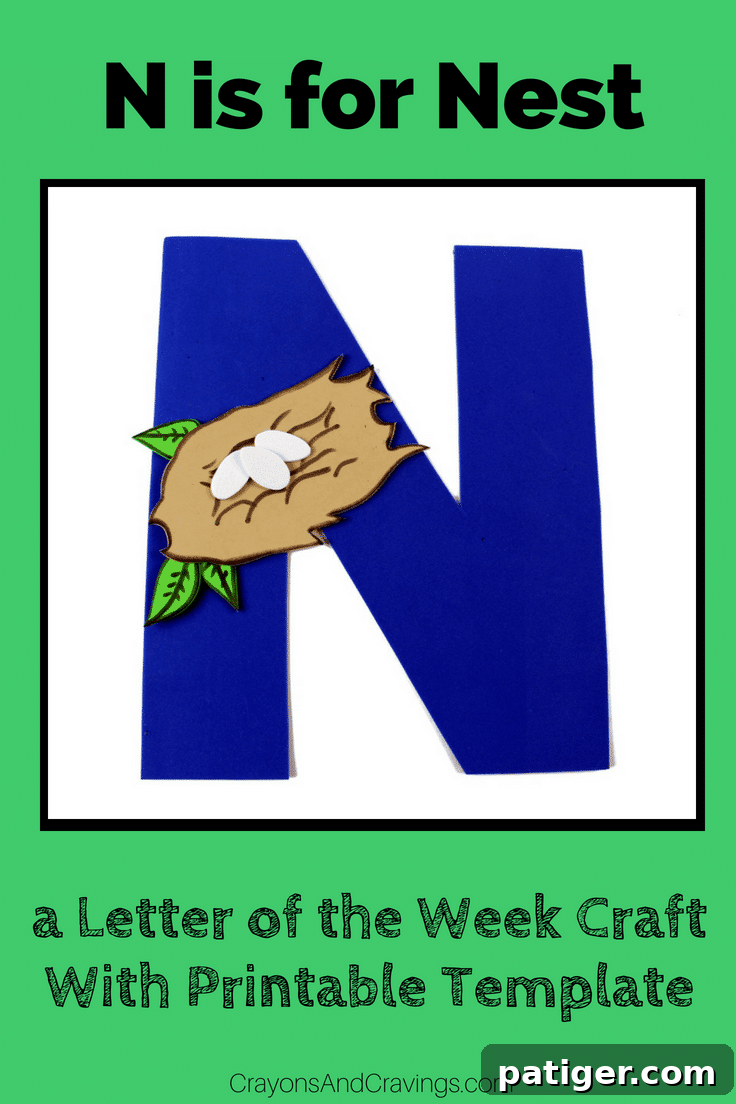
Following the creative success of our Letter M is for Moon craft, we’re thrilled to present a charming new project that brings the letter N to life. This week, we invite you and your little ones to craft an adorable “N is for Nest,” an activity that not only reinforces letter identification but also introduces children to the wonders of nature and the concept of home. Our carefully designed printable template ensures that every child, regardless of their developmental stage, can participate and take pride in their finished creation.
Discover the entire collection of our engaging Letter of the Week crafts here
Why “N is for Nest” is Perfect for Preschoolers
Choosing a theme for each letter is crucial for effective early learning. “N is for Nest” is an ideal choice for several compelling reasons. Firstly, the word “nest” begins with a clear /n/ sound, providing excellent phonetic reinforcement. Secondly, the visual representation of a nest is inherently appealing and relatable to young children, fostering a natural connection between the abstract letter form and a concrete object. This tangible link helps children to internalize the letter N more effectively than rote memorization alone. Moreover, the craft itself allows for discussion about birds, eggs, habitats, and the natural world, enriching vocabulary and general knowledge.
Educational Benefits of Engaging in Letter Crafts
Our Letter of the Week craft series, including this delightful Letter N is for Nest project, offers a wealth of developmental benefits that extend far beyond simple letter recognition. These hands-on activities are foundational for building crucial preschool skills:
- Fine Motor Skill Development: The acts of tracing, cutting, and gluing are powerful exercises for strengthening the small muscles in children’s hands and fingers. This improved dexterity is essential for future tasks such as writing, drawing, and even self-care activities like buttoning clothes.
- Letter Recognition and Phonological Awareness: By repeatedly interacting with the shape of the letter N and associating it with the word “nest,” children build a strong visual and auditory understanding of the letter. This is a vital step towards early reading and spelling.
- Following Instructions: Each step of the craft encourages children to listen, understand, and execute instructions, honing their cognitive processing skills and ability to follow a sequence.
- Creativity and Self-Expression: While we provide a template, children often find unique ways to personalize their crafts, fostering their innate creativity and allowing them a sense of accomplishment and ownership over their work.
- Problem-Solving: Sometimes a piece doesn’t fit exactly, or the glue is too sticky. These small challenges provide opportunities for children to problem-solve and adapt, building resilience and critical thinking.
- Vocabulary Expansion: Discussions about the craft, the letter, and the theme (nests, birds, eggs) naturally introduce new words and concepts, enriching a child’s lexicon.
Adapting the Craft for Various Age Groups and Skill Levels
This “Letter N is for Nest” craft is thoughtfully designed to be adaptable, ensuring children of different ages and developmental stages can participate meaningfully. The level of adult assistance can be adjusted to maximize engagement and skill development:
- For Younger Toddlers (with close supervision): For very young children, the focus might primarily be on the gluing stage. An adult can prepare all the pre-cut foam or cardstock pieces. The child can then practice their hand-eye coordination and fine motor skills by applying glue and positioning the pieces. This introduces them to the concept of the letter and the craft process without the frustration of complex cutting.
- For Preschoolers (3-4 years old): Many preschoolers are ready to begin practicing their cutting skills. An adult can trace the letter N and nest shapes onto the craft foam or cardstock. Then, the child can carefully cut along the traced lines. This provides valuable practice with scissors in a structured way. Adults should still be nearby to offer guidance and encouragement, especially with trickier curves. Gluing will be a significant part of their independent contribution.
- For Older Preschoolers & Kindergarteners (4-5+ years old): Children in this age group may be capable of more independence. They can be given the templates to trace themselves onto the craft foam or cardstock, further developing their hand-eye coordination and pre-writing skills. They can then cut out the pieces and assemble the craft largely on their own, with minimal supervision. This empowers them to take full ownership of the project from start to finish.
Remember, the goal is participation and learning, not perfection. Celebrate every effort and embrace the uniqueness of each child’s craft.
Essential Supplies & Materials for Your Letter N Craft
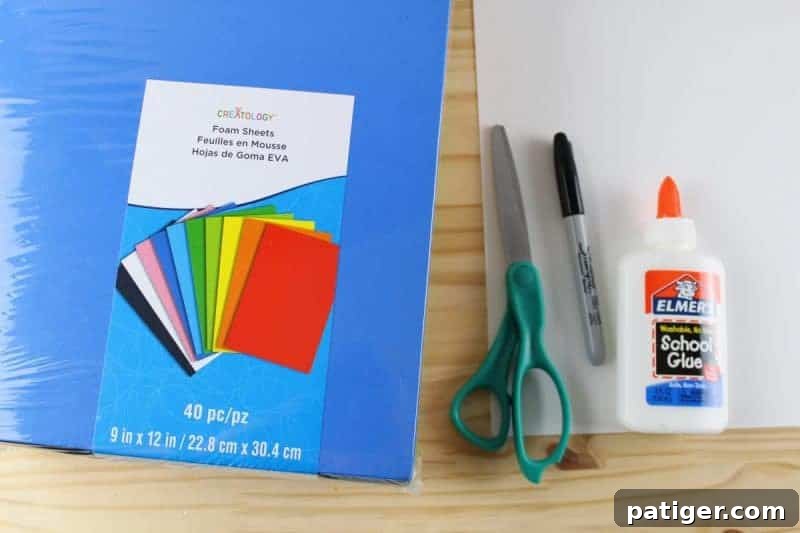
Gathering your materials before you begin ensures a smooth and enjoyable crafting experience. For this “N is for Nest” craft, you’ll need a few common and easily accessible supplies. We’ve linked to some recommendations to help you get started:
- Letter N Printable Template: This is your foundational guide for the letter N shape. Print it out on sturdy paper or cardstock to make tracing easier and more durable. You can get your template here: Letter N Printable Template.
- Nest Printable Template: This template includes the shapes for the nest, eggs, and leaves that will adorn your letter N. Again, print on paper or cardstock for best results. Find it here: Nest Printable Template.
- Craft Foam or Colored Cardstock: We highly recommend craft foam sheets for their vibrant colors and slight thickness, which adds a tactile element to the craft. However, if craft foam isn’t available, colored cardstock works just as well and is often more readily found. Choose appropriate colors for your letter (e.g., green or brown) and nest components (e.g., brown for the nest, light blue or white for eggs, green for leaves).
- Kid-Friendly Scissors: A good pair of safety scissors is essential for developing fine motor skills. Ensure they are comfortable for little hands to hold and safe to use under supervision.
- Craft Glue: Any standard craft glue suitable for paper or foam will work. A glue stick can be less messy for larger areas, while liquid glue in a bottle with a fine tip is great for smaller details.
- Black Marker: A black marker (fine-tip or medium) is perfect for adding outlines and details to the nest, bringing it to life with texture and definition.
- Googly Eyes (Optional but Recommended): A few googly eyes can add a whimsical touch to your craft, turning your letter N into a playful character. While not strictly necessary for the “nest” theme, they add an element of fun that children adore.
Step-by-Step Guide: Crafting Your “Letter N is for Nest”
Now that you have all your materials ready, let’s dive into the fun and creative process of assembling your “Letter N is for Nest” craft. Remember to guide your child through each step, allowing them to participate as much as their age and skill level permit.
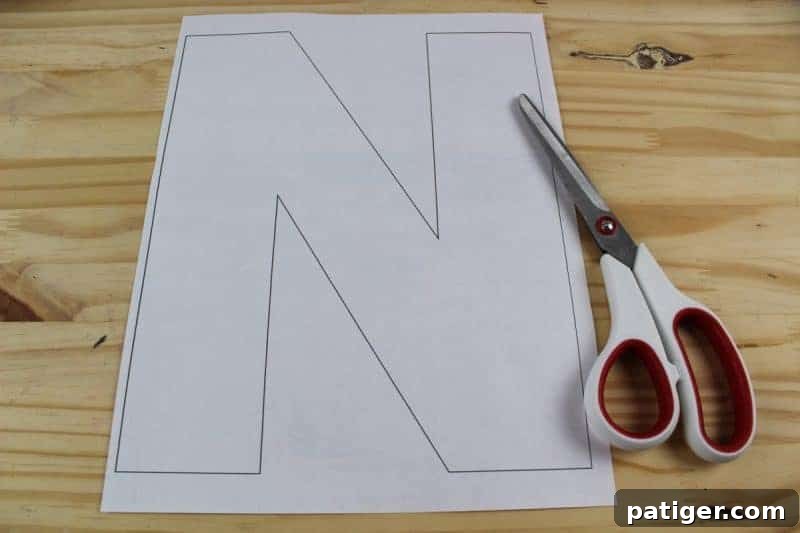
1. Prepare the Letter N Template: Begin by taking your printed Letter N template. Carefully cut out the large letter N shape. This template will serve as your guide for creating the main body of your craft. For younger children, an adult should handle this step, ensuring a clean and precise cut. For older preschoolers, this is a great opportunity to practice their scissor skills along a clear outline.
2. Trace Letter N onto Craft Foam or Cardstock: Once you have your template cut out, place it onto your chosen piece of craft foam or colored cardstock. Use a marker or pencil to carefully trace around the perimeter of the letter N. Choose a color for your letter N that will stand out and serve as a vibrant base for your nest. Brown or green can work wonderfully to complement the nest theme.
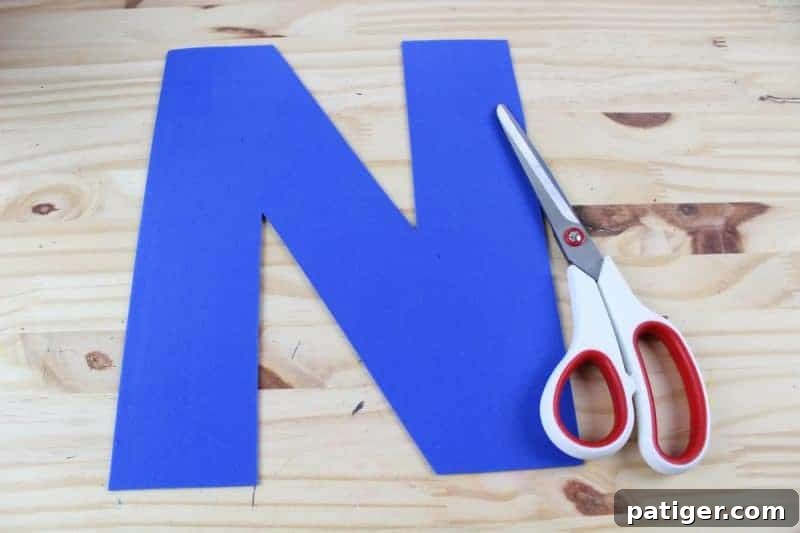
3. Cut Out the Craft Foam Letter N: Now, using your safety scissors, carefully cut out the traced letter N from the craft foam or cardstock. This step is a fantastic way to develop fine motor control. Encourage your child to stay as close to the lines as possible. If they struggle with the curves, offer gentle assistance, perhaps by steadying the foam while they cut. Patience is key here, and celebrating their effort is more important than achieving a perfect cut.
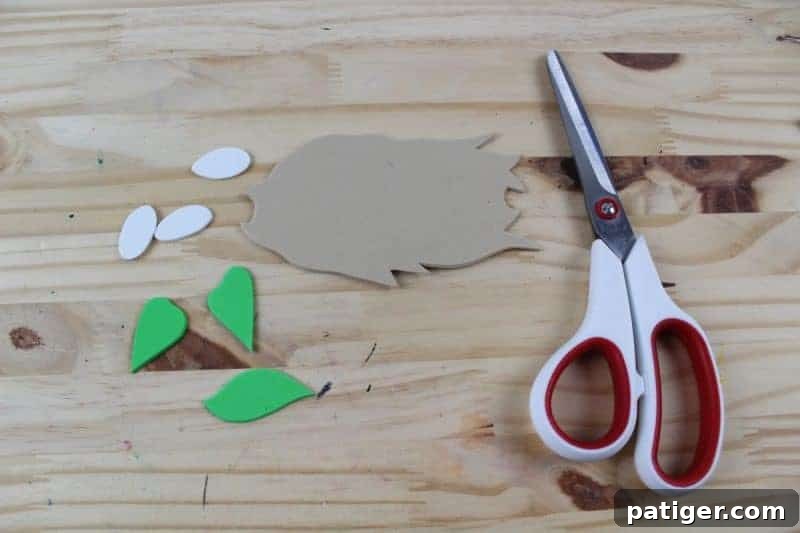
4. Prepare Nest Components: Next, take your nest template. Cut out the individual nest, egg, and leaf shapes. Then, trace these shapes onto different colored craft foam or cardstock. For instance, trace the nest onto brown foam, the eggs onto light blue or white, and the leaves onto green. Once traced, cut out all these smaller components. This stage involves more intricate cutting, so adult assistance may be required, especially for the delicate leaf shapes. Discuss the colors and shapes as you work together.
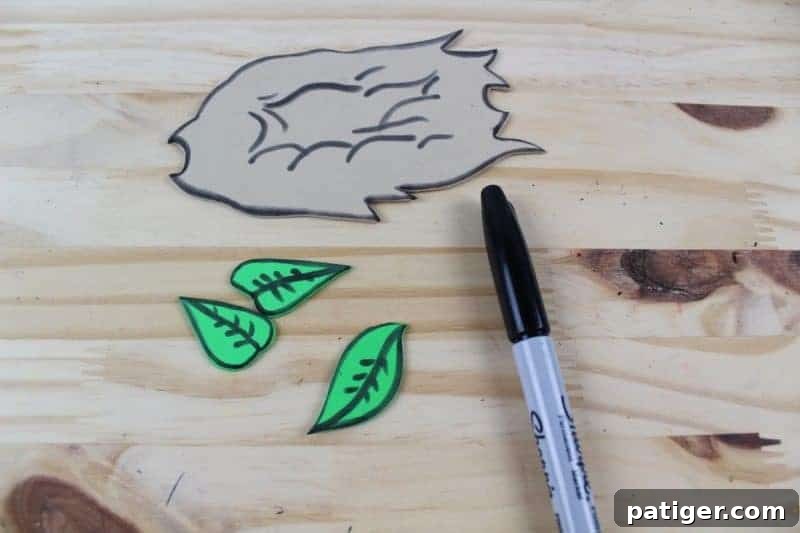
5. Add Detail to the Nest: This step brings your nest to life! Take your black marker and carefully outline the edges of the nest shape. Then, add small, short lines or squiggles within the nest to create the appearance of twigs and straw. This simple detailing adds wonderful texture and depth, making the nest look more realistic. Encourage your child to try adding a few lines themselves, helping them develop control over their marker. This is a great opportunity to talk about how real birds build their nests.
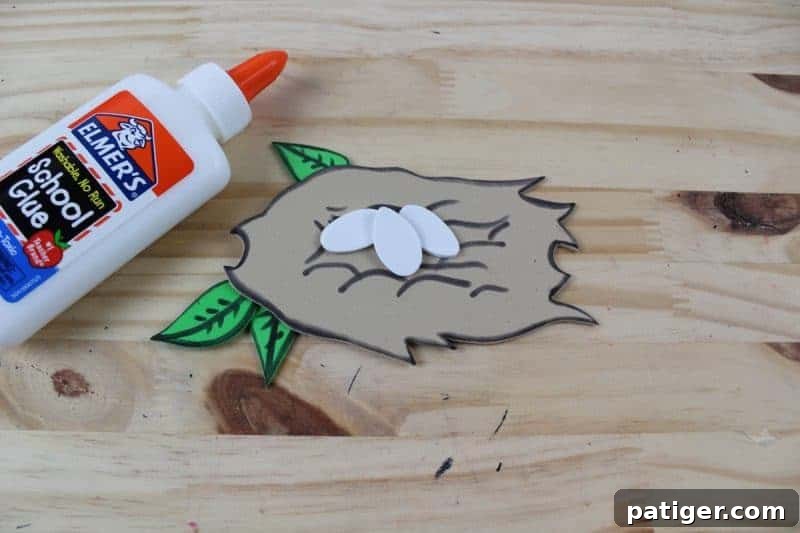
6. Assemble the Nest: Now it’s time to put the nest together! Apply a small amount of glue to the back of the eggs and leaves. Position the eggs within the nest shape, as if they are resting snugly. Then, strategically place the leaves around the edges of the nest, making it look cozy and natural. This step is fantastic for practicing spatial reasoning and careful glue application. Remind children that a little glue goes a long way!
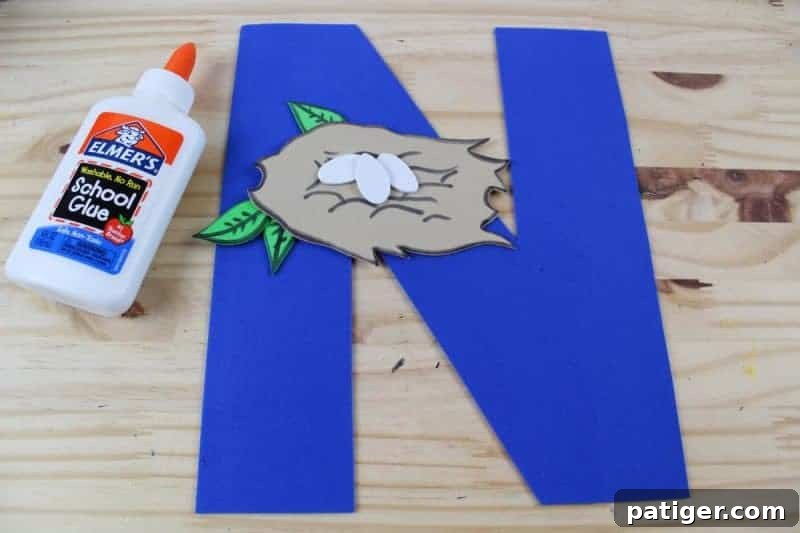
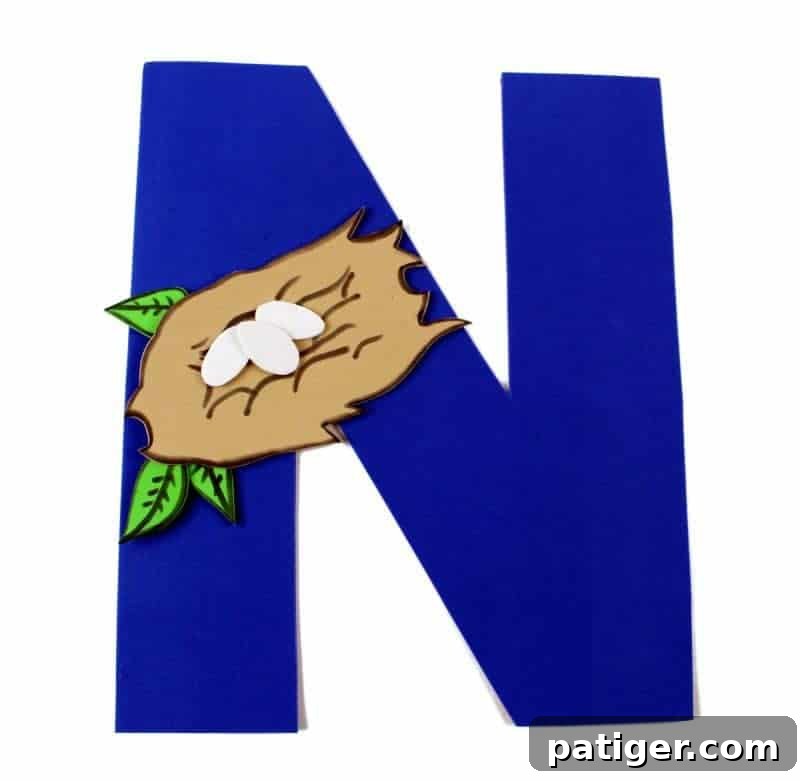
7. Attach the Nest to the Letter N: With your nest assembled, it’s time to unite it with the letter N. Apply glue to the back of the finished nest. Carefully position the nest onto the craft foam letter N. You can place it on the top curve of the ‘N’ or nestled within one of its hollows—wherever it looks best and reinforces the letter shape. Press down gently to ensure a secure bond. This final gluing step brings the entire “N is for Nest” craft together.
Extending the Learning Beyond the Craft
The “Letter N is for Nest” craft is more than just a fun activity; it’s a springboard for broader learning experiences. Here are some ideas to continue exploring the letter N and its associated concepts:
- Nature Exploration: Take a safe walk around your neighborhood or a local park. Look for birds’ nests (observing from a distance without disturbing them). Discuss what birds use to build their nests and why nests are important.
- Letter N Word Hunt: Challenge your child to identify other objects or words that start with the letter N. Think of words like nose, nail, night, noodle, nut, newspaper, and numbers.
- Story Time: Read books featuring nests, birds, or the letter N. Classic stories like “Are You My Mother?” by P.D. Eastman or non-fiction books about birds can be wonderful additions.
- Sing-Alongs: Incorporate songs or rhymes that feature the letter N or themes of nature and birds.
- Playdough N: Encourage your child to form the letter N using playdough, further reinforcing its shape in a tactile way.
- Drawing and Writing: Ask your child to draw something else that starts with N, or practice writing the letter N (uppercase and lowercase) on paper.
Tips for a Smooth and Enjoyable Crafting Session
To ensure your crafting session is as delightful as possible, consider these additional tips:
- Prepare in Advance: Lay out all the materials before you begin. Having everything within reach minimizes interruptions and keeps the child’s focus on the task.
- Set Up a Dedicated Space: Choose a clear, protected surface for crafting. Cover the table with newspaper or a craft mat to simplify cleanup.
- Embrace the Mess: Crafts often involve a bit of mess, especially with glue! Remind yourself that a little mess is part of the creative process and indicates engaged learning.
- Focus on the Process, Not Perfection: Encourage effort and creativity over a perfectly executed final product. Every child’s craft will look unique, and that’s wonderful!
- Engage in Conversation: Talk to your child throughout the craft. Ask open-ended questions like, “What sound does N make?” “What do birds eat?” “What color will your eggs be?”
- Celebrate the Creation: Once the craft is dry, display it prominently. This boosts your child’s confidence and pride in their work.
We truly hope that you and your little learners find immense joy and valuable learning in creating this “Letter N is for Nest” craft project. It’s a wonderful way to combine art, nature, and foundational literacy skills into one memorable activity.
Stay tuned and keep an eye out for our upcoming Letter O craft, where we’ll continue our adventure through the alphabet!
Until then, happy crafting and happy learning!