
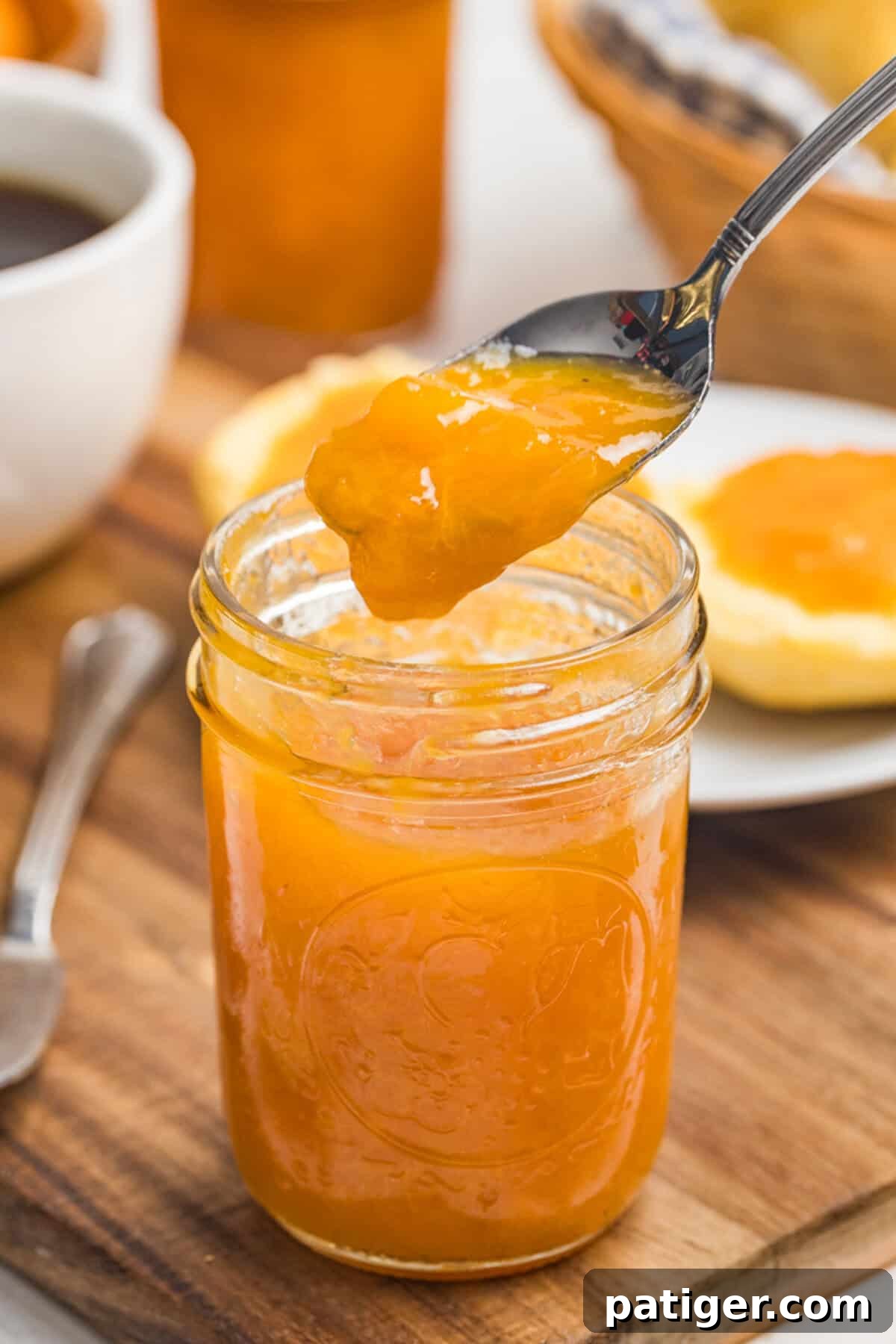
This easy apricot jam is sweet, silky, and made with just three ingredients. No pectin, no canning, and no special equipment required—just fresh apricots, sugar, and a bit of lemon juice.
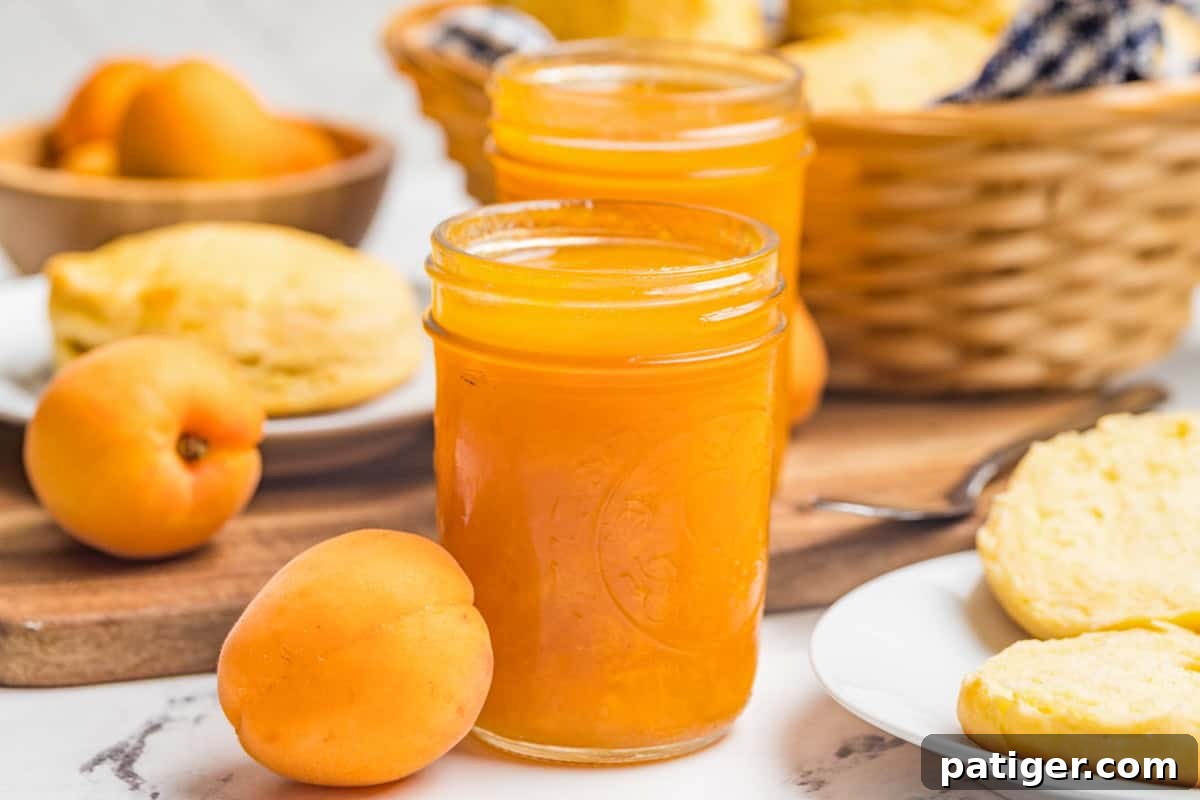
I began making this small-batch apricot jam when a bowl of perfectly ripe apricots needed using fast. A medium saucepan, a wooden spoon, and a squeeze of lemon were all it took. The technique works the same for other fruits—try the same method with peaches or blueberries if you like a different flavor.
Apricots contain natural pectin in their skins and flesh, so they thicken nicely on their own. The lemon juice adds brightness and helps the jam set without boxed pectin.
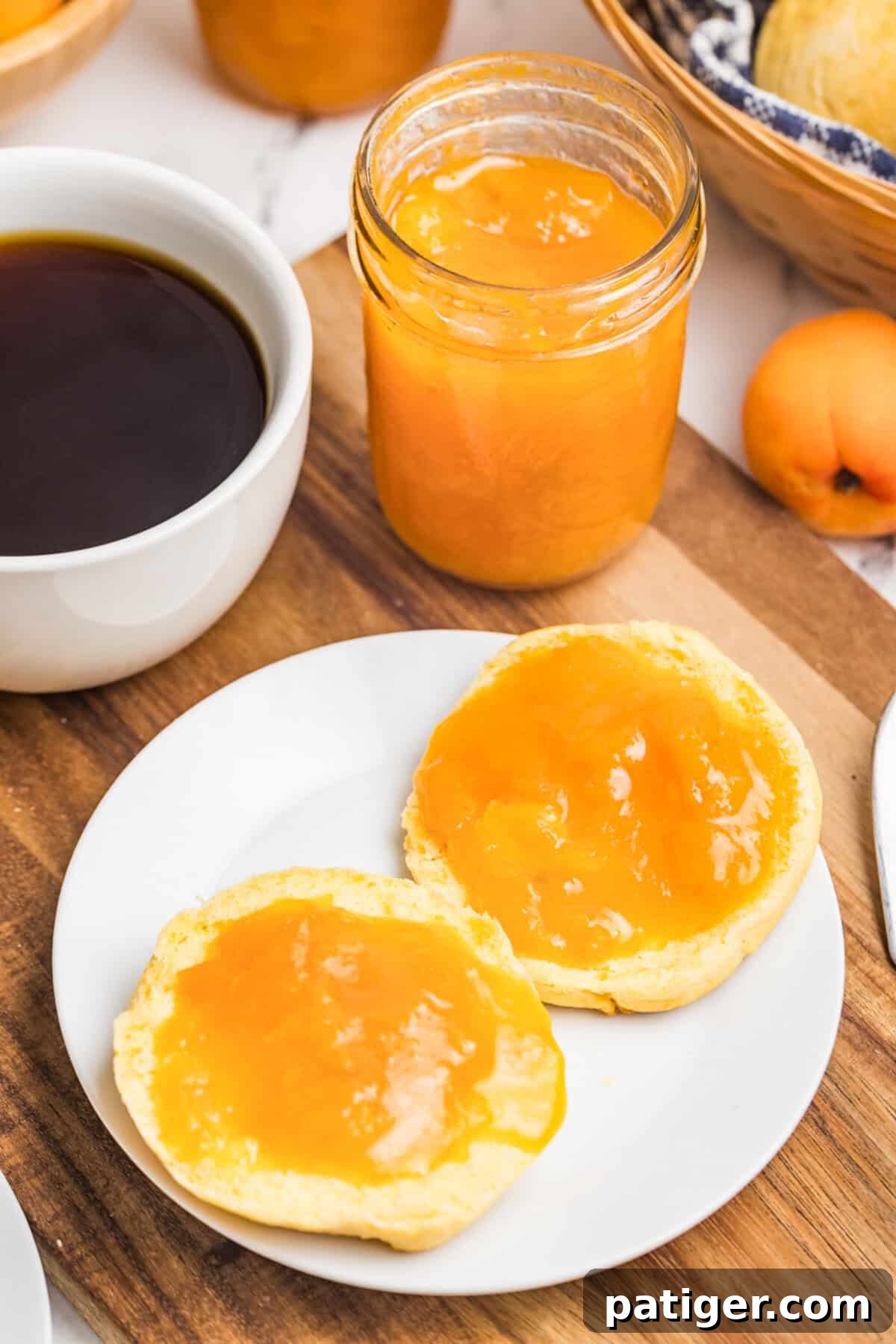
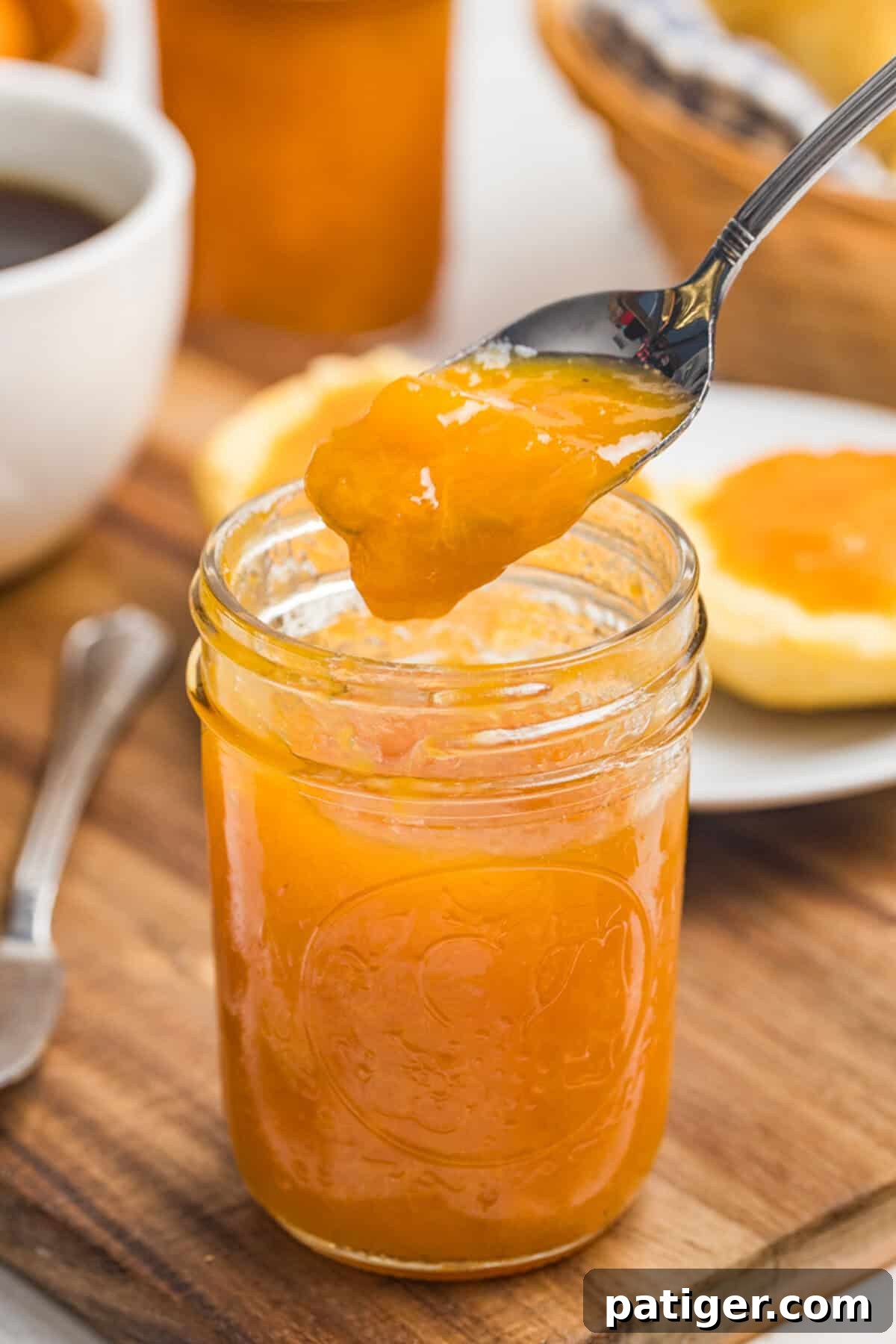
The finished jam is soft and spreadable with a tart-sweet apricot flavor that’s excellent on biscuits, English muffins, or stirred into yogurt. It also doubles as a quick glaze for chicken or pork when warmed and brushed on in the last minutes of roasting.
Why You’ll Love This Homemade Apricot Jam
- Only 3 ingredients — fresh apricots, granulated sugar, and lemon juice.
- No peeling needed — apricot skins soften into the jam, so you can skip peeling.
- Quick small batch — ready from stove to jar in about 25 minutes, with no canning gear.
- Versatile — delicious on toast or used as a savory glaze for meats.
- Fresh flavor and color — soft set, bright apricot taste, and a golden hue that looks great on the table.
Ingredients
Below are the ingredient notes and simple substitutions. Full measurements and the printable recipe are in the recipe card near the end of the post.
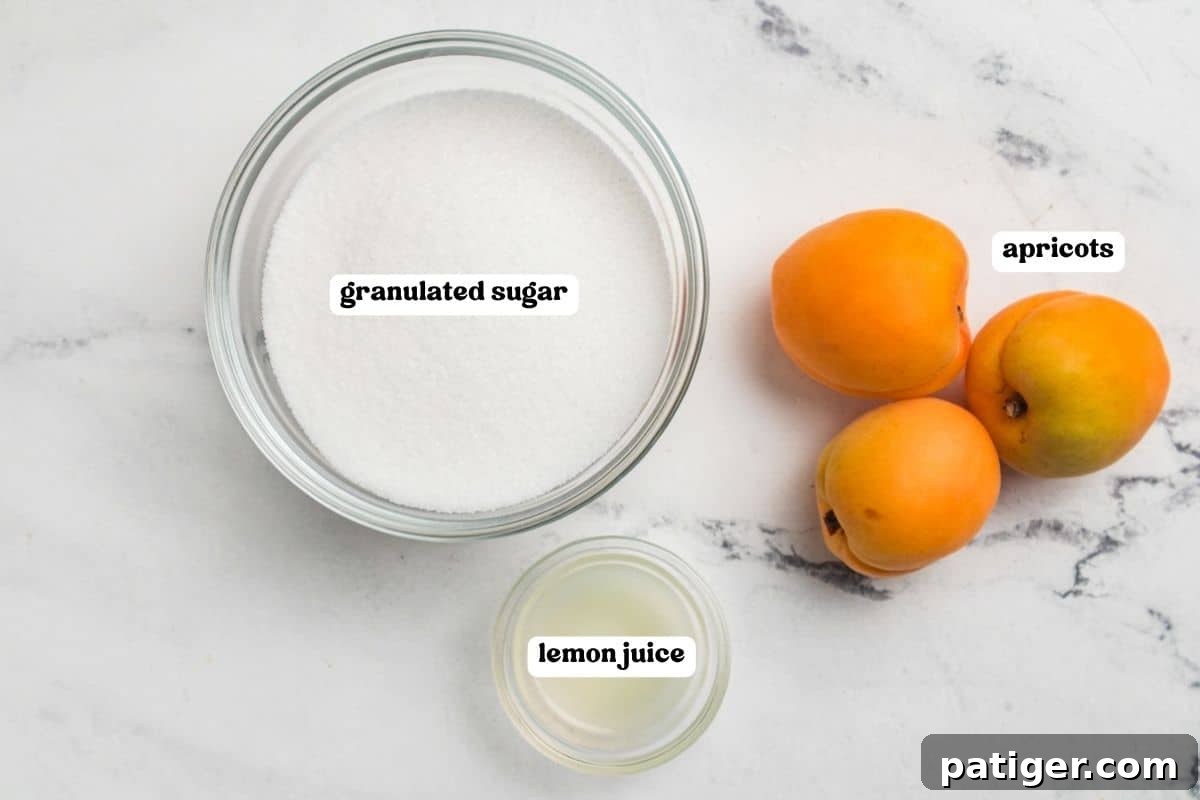
- Fresh apricots — about 1½ pounds, pitted and diced. Choose fruit that gives slightly to the touch; riper apricots yield a sweeter, softer jam.
- Granulated sugar — balances the fruit’s acidity and helps the jam set.
- Lemon juice — fresh or bottled; the acid helps thicken the jam and keeps the flavor lively.
- Pinch of salt — optional, but it rounds out the sweetness and deepens flavor.
How to Make Apricot Jam
This overview covers the steps; the printable recipe card below has exact measurements and timing. The process is straightforward and forgiving.
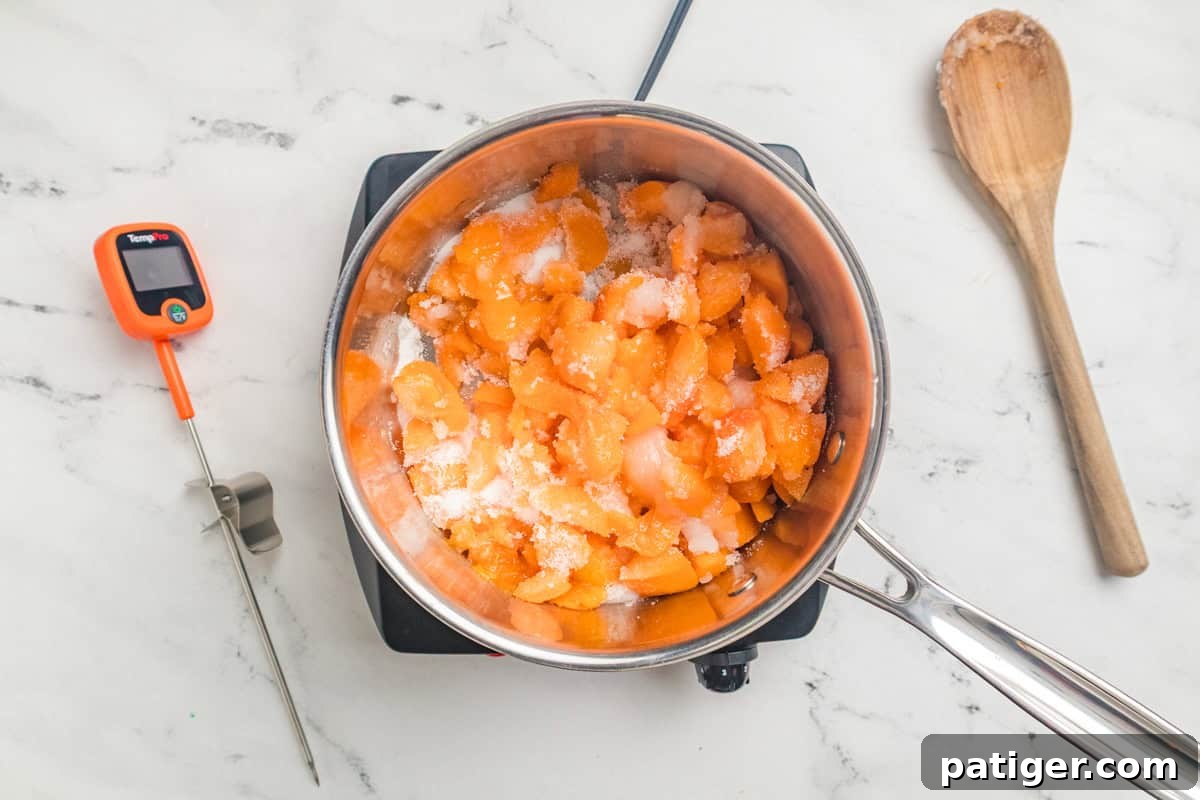
Step 1: Combine the diced apricots, sugar, lemon juice, and a pinch of salt in a medium saucepan. Set the pot over medium heat.
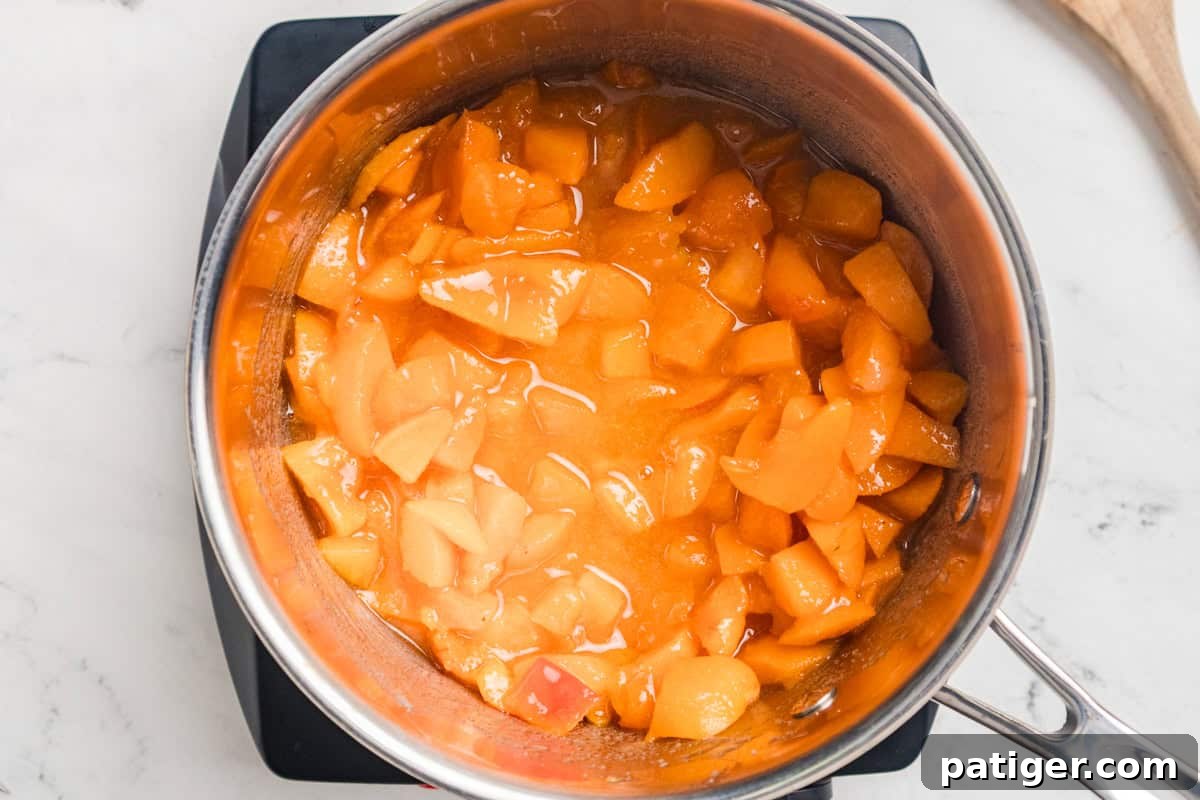
Step 2: Stir occasionally as the apricots soften and release their juices. After a few minutes the mixture will become saucy.
Step 3: If you prefer a smoother texture, lightly mash the fruit with a potato masher or the back of a spoon.
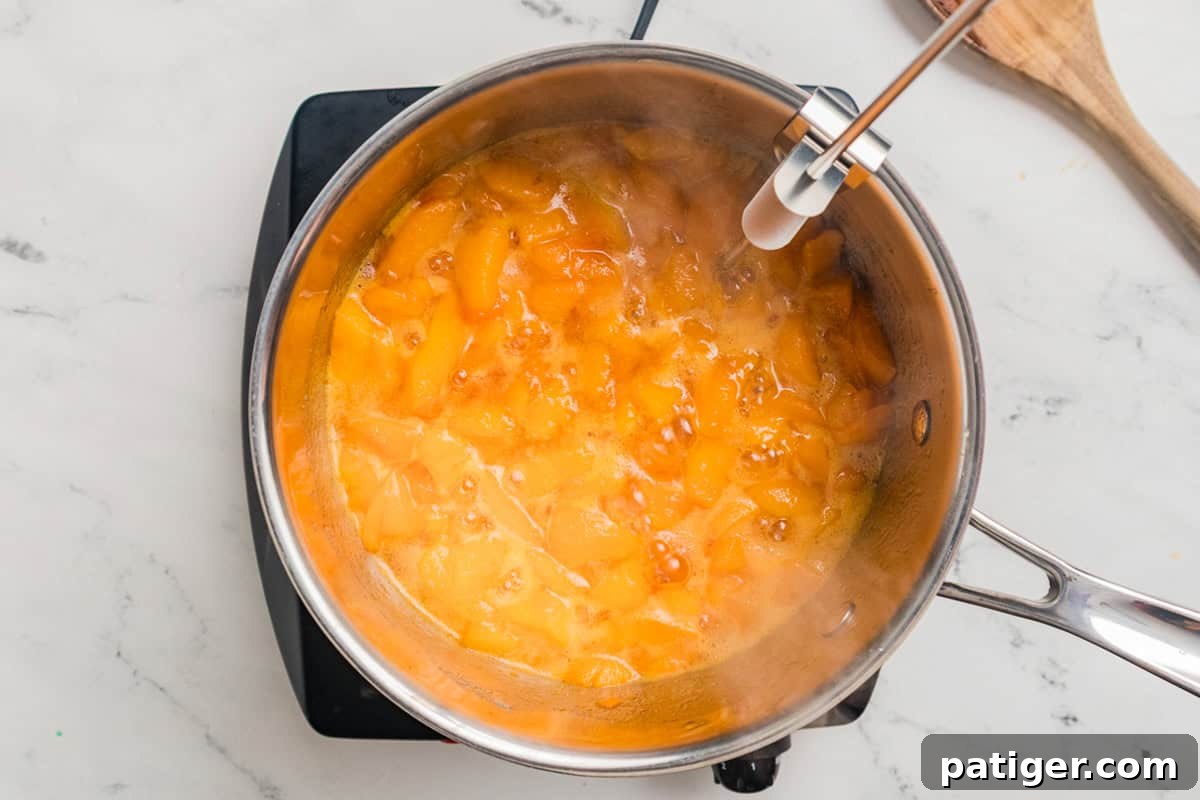
Step 4: Bring the mixture to a gentle boil, then lower the heat to medium-low and simmer, stirring frequently, until the jam thickens and becomes glossy. It typically reaches set between 210–220°F, or you can use the chilled plate test described below.
Testing for Doneness
An instant-read candy thermometer is the most reliable tool: jam sets at 220°F. If you don’t have one, use the chilled plate test. Freeze a small plate before cooking. When the jam looks thick, spoon a little onto the cold plate, wait 30 seconds, then run your finger through it. If it wrinkles and holds its shape, the jam is done; if it flows back together, keep simmering and test again in a few minutes.
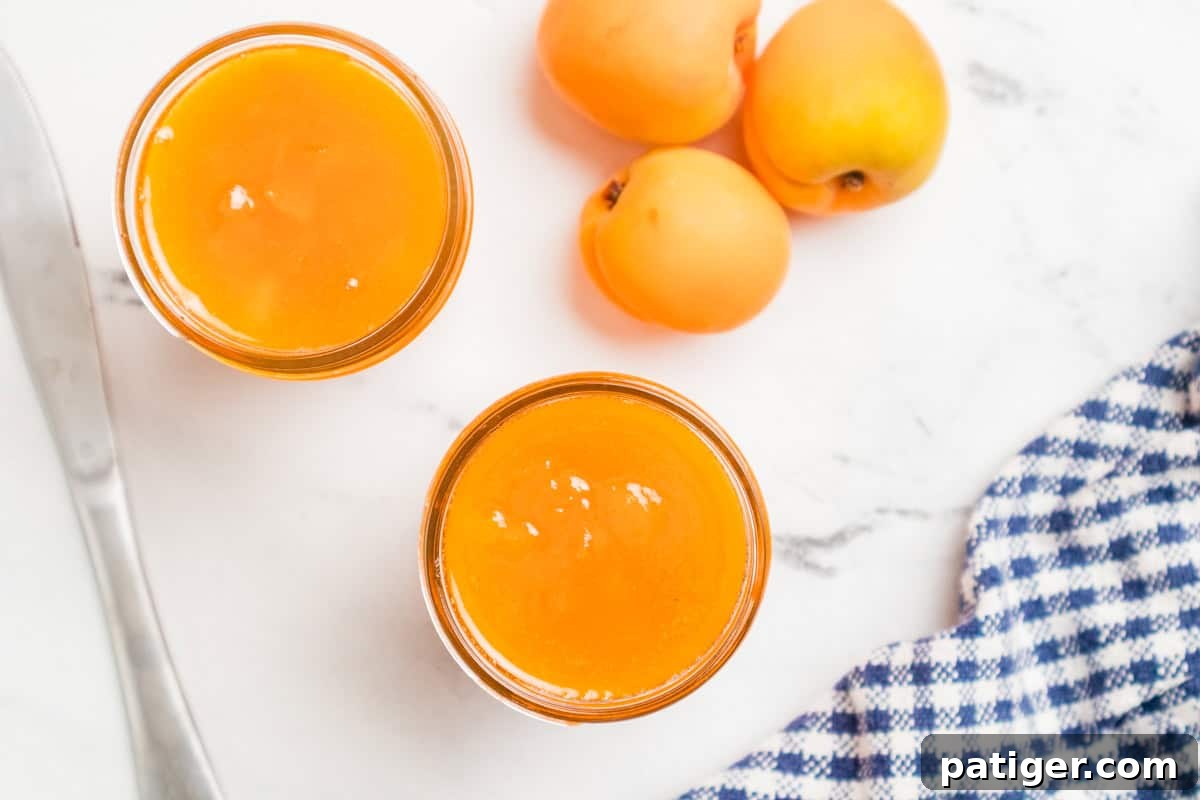
Step 5: Remove the pot from the heat and let the jam sit five minutes. Spoon the hot jam into pint or half-pint jars, leaving about ½ inch headspace. Let jars cool completely on the counter before sealing and refrigerating. The jam will continue to firm up over 24 hours in the fridge.
Serving Suggestions
Serve apricot jam on warm buttermilk biscuits, English muffins, or buttered toast. It pairs beautifully with brie or sharp cheddar on a cheese board.
For a savory twist, warm a few spoonfuls and brush the jam over pork chops or roasted chicken during the final minutes of cooking for a glossy, flavorful glaze.
Storage
- Refrigerator — keep in an airtight jar for up to 3 weeks.
- Freezer — freeze in a freezer-safe container for up to 3 months. Leave about ½ inch headspace for expansion and thaw in the fridge before using.
A Quick Note on Canning
This recipe is intended as a refrigerator jam, not for water-bath or pressure canning. It’s meant for short-term fridge or freezer storage, not shelf-stable storage. If you need shelf stability, use a tested canning recipe and follow proper canning guidelines.
Tips for the Best Apricot Jam
- Choose ripe fruit. Apricots that yield slightly to pressure deliver the best flavor and texture.
- Dice evenly. Cut the fruit into similar-sized pieces so they cook uniformly.
- Keep the skins. Apricot skins are thin and break down during cooking, so peeling isn’t necessary.
- Stir frequently. The sugars can stick and scorch, so stay attentive while simmering.
- Watch the temperature. Aim for just under 220°F; a candy thermometer or the chilled plate test will help you avoid overcooking.
Additions and Variations
- Ginger — stir in about ¼ teaspoon ground ginger with the sugar for a warm, slightly spicy note.
- Cinnamon — a generous pinch of ground cinnamon lends cozy depth to the jam.
- Fruit blends — substitute half the apricots with fresh raspberries or blackberries for a mixed-fruit jam.
More Easy Homemade Jam Recipes
- Peach Jam
- Blueberry Jam
- Strawberry Jam
- Raspberry Jam
- Blackberry Jam
Easy Apricot Jam (No Pectin)
Author: Jaclyn
Equipment
-
8-ounce jars or similar
Ingredients
- 1 ½ lbs fresh apricots, pitted and diced (about 3 cups)
- ¾ cup granulated sugar
- 1 Tablespoon lemon juice
- pinch salt, optional
Instructions
-
Add the diced apricots, sugar, lemon juice, and salt to a medium saucepan and set over medium heat.
-
Stir as the mixture comes to a gentle boil. Once the apricots have softened (4–5 minutes), lightly mash with a potato masher or the back of a spoon to your desired consistency.
-
Reduce heat to medium-low and simmer 12–16 minutes, stirring often, until the jam thickens and looks glossy. It’s done at 210–220°F or when it holds its shape on a chilled plate.
-
Remove from heat and let rest 5 minutes.
-
Spoon warm jam into jars, leaving ½ inch headspace. Let jars cool completely on the counter before sealing and refrigerating. The jam firms up fully after a day in the fridge.
Notes
Nutrition
Did You Make This Recipe?
Share your version on social media and tag the recipe source if you’d like to show how it turned out.