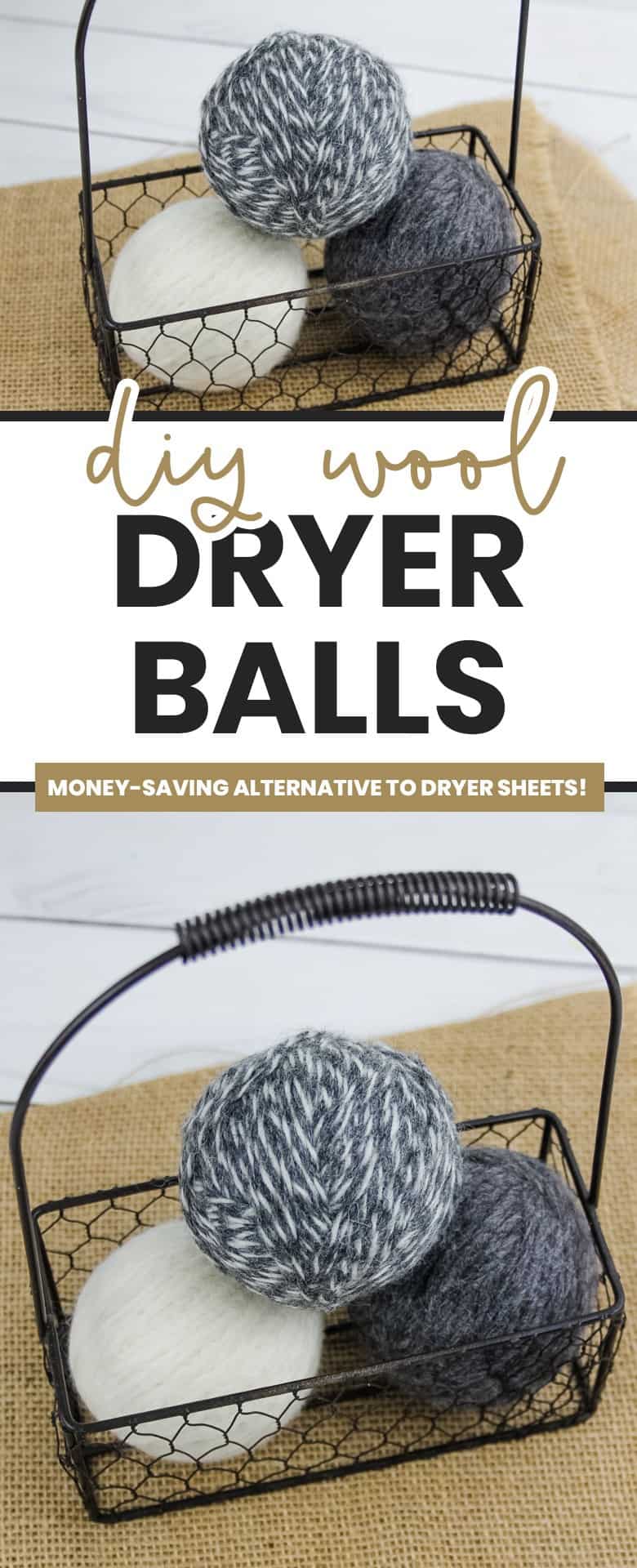
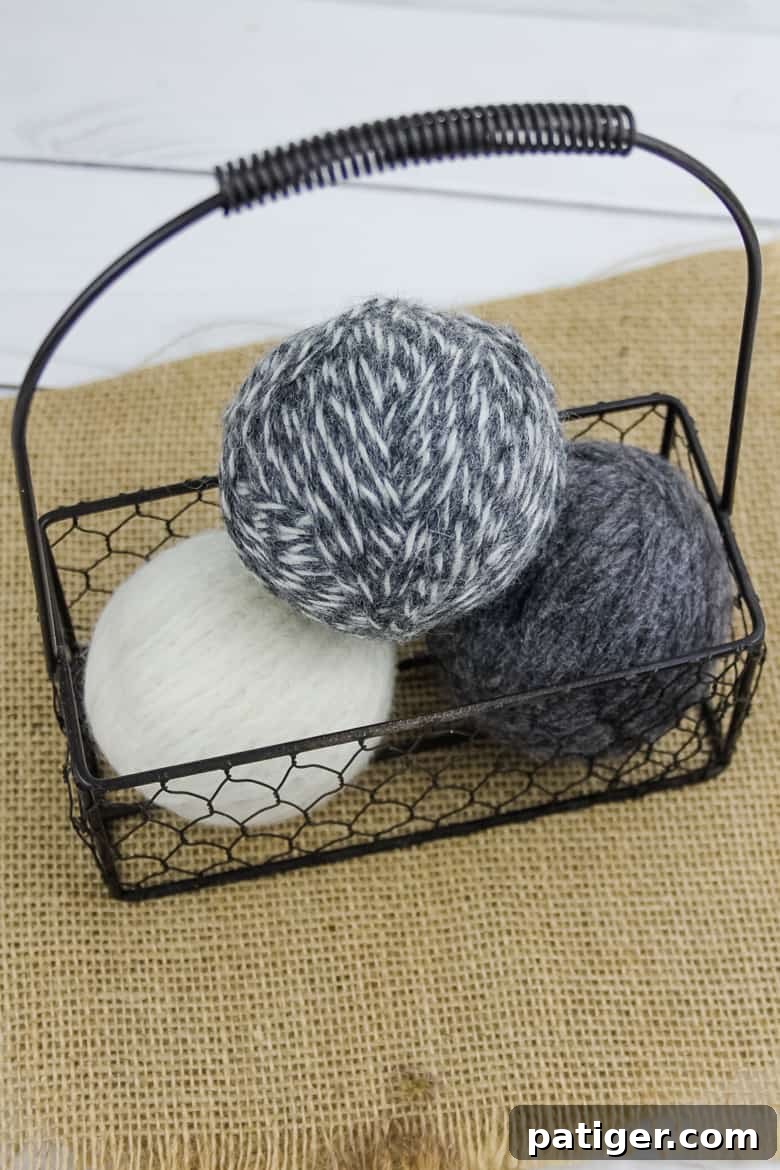
Tired of disposable dryer sheets and chemical-laden fabric softeners? Discover the ultimate natural and reusable solution with these incredible DIY wool dryer balls. Not only are they exceptionally easy to make, but they are also simple to use, offering a sustainable and cost-effective alternative for your laundry routine. Once you experience the difference, you’ll wonder why you didn’t switch to this homemade solution sooner!
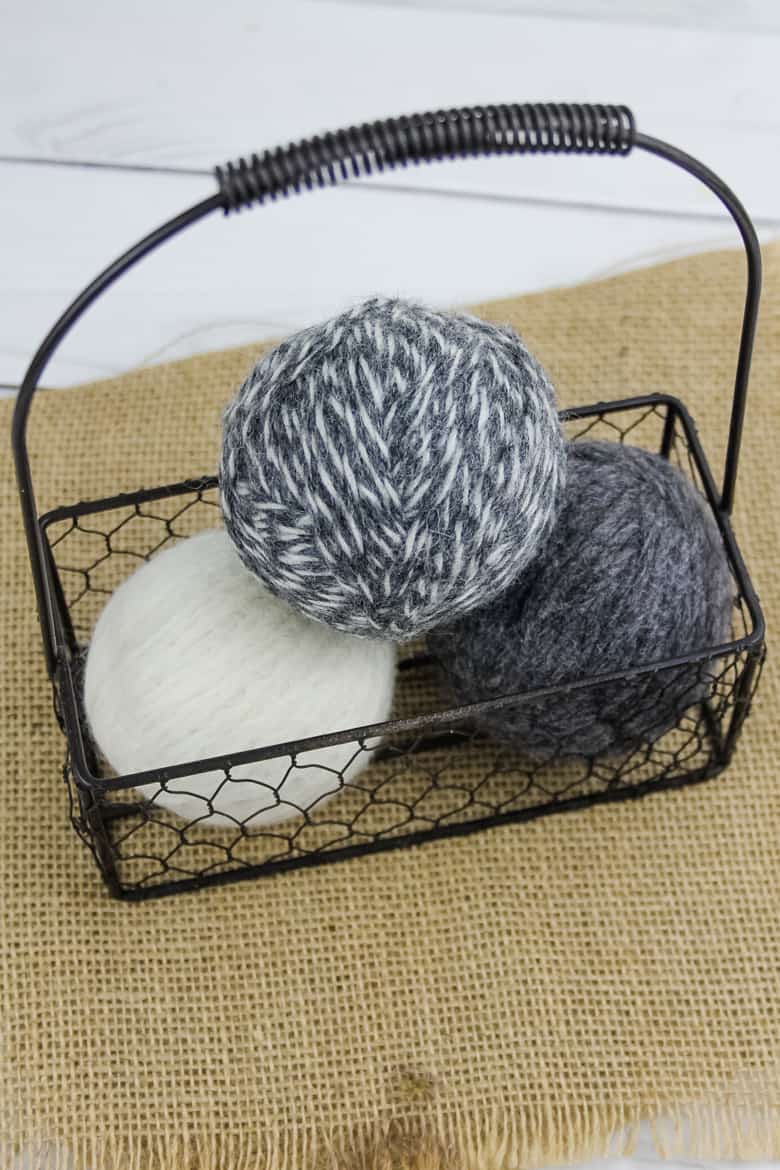
Embrace Eco-Friendly Laundry: Your Ultimate Guide to DIY Wool Dryer Balls
For those who love a good DIY project and appreciate the benefits of a well-organized home, crafting your own wool dryer balls is a truly satisfying endeavor. These fantastic creations serve as an outstanding, natural alternative to traditional fabric softeners and dryer sheets. Imagine saving a significant amount of money over several years, all while making a positive impact on the environment and the health of your family. This comprehensive guide will walk you through every step of making your own, explaining why they’re such a game-changer for your laundry day.
The beauty of these wool dryer balls lies not only in their incredible effectiveness but also in their sheer simplicity. If you’ve ever hesitated to try making them because the process sounds daunting, put those fears aside. Making wool dryer balls is surprisingly straightforward and requires just a few basic materials and a bit of time. It’s a fun, rewarding project that yields lasting benefits. Of course, if you’re short on time or prefer to skip the crafting, you can always find excellent 100% Wool Dryer Balls on Amazon.

What Exactly Are Dryer Balls and How Do They Revolutionize Your Laundry?
If you’re new to the concept, dryer balls are simply spherical bundles of wool that are tumbled in the dryer with your wet laundry. Their primary purpose is to serve as a natural, non-toxic substitute for commercial dryer sheets and liquid fabric softeners. But their benefits extend far beyond just being an alternative; they actively improve your drying process and the quality of your clothes.
The Incredible Benefits of Using Wool Dryer Balls:
- Significantly Reduces Drying Time: As the wool balls bounce around in the dryer, they create air pockets between your clothes, allowing hot air to circulate more efficiently. This can cut down drying time by 25-50%, leading to noticeable savings on your energy bill.
- Chemical-Free and Hypoallergenic: Commercial dryer sheets and fabric softeners often contain synthetic fragrances and chemicals that can irritate sensitive skin, trigger allergies, and leave residues on your clothes. Wool dryer balls are made from 100% natural wool, making them a safe and healthy choice for everyone, especially those with sensitivities.
- Remarkably Cost-Effective: While there’s an initial investment in wool yarn, these dryer balls are reusable for hundreds, if not thousands, of loads – typically lasting several years. This eliminates the recurring cost of purchasing disposable dryer sheets or fabric softener, leading to substantial long-term savings.
- Preserves Fabric Absorbency: Unlike chemical fabric softeners that can coat fibers and reduce the absorbency of towels and cloth diapers, wool dryer balls naturally soften fabrics without any detrimental impact. Your towels will remain fluffy and highly absorbent.
- Naturally Softens Fabrics and Decreases Static: The gentle friction of the wool against your clothes during the drying cycle naturally softens them. Furthermore, wool’s ability to absorb moisture helps to reduce static cling, leaving your laundry smooth and easy to handle.
- Reduces Wrinkles: By separating clothes and allowing them to tumble more freely, dryer balls help prevent deep wrinkles from forming, often reducing the need for ironing.
- Customizable Scent: For those who love scented laundry, wool dryer balls offer the perfect canvas. A few drops of your favorite essential oil can be added to the balls for a natural, subtle scent without synthetic chemicals.
- Environmentally Friendly: By choosing reusable wool dryer balls, you are actively reducing waste from disposable dryer sheets and plastic bottles of fabric softener, contributing to a more sustainable lifestyle.
For even more natural laundry solutions, don’t forget to check out our guide on DIY fabric softener!
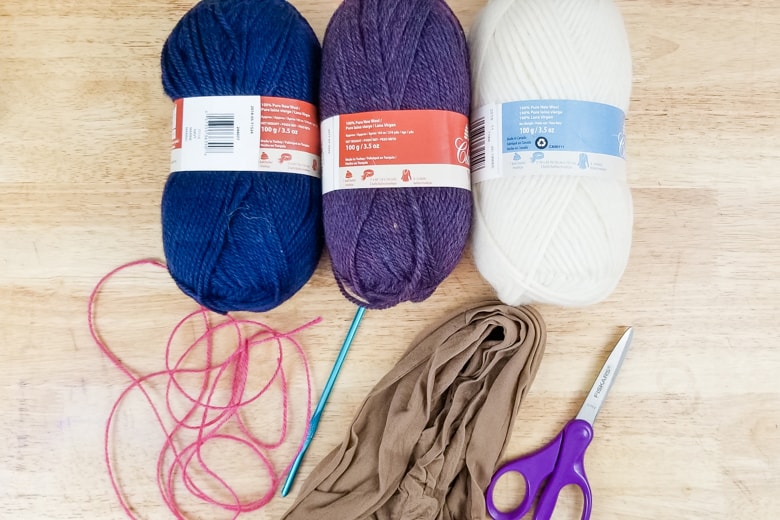
Gather Your Supplies for DIY Wool Dryer Balls
Making your own wool dryer balls is a simple process that requires only a handful of readily available items. The key is selecting the right type of wool to ensure proper felting.
- 100% Wool Yarn: This is the most crucial ingredient. Ensure it is 100% animal fiber wool that is *not* labeled “superwash” or “machine washable.” These treated wools are designed to resist felting, which is exactly what we need to happen for our dryer balls to hold their shape. Worsted weight wool is commonly used and works wonderfully.
- Crochet Hook: A small crochet hook (any size will do, typically around 3.0mm-4.0mm) is useful for tucking in the yarn ends to create a neat, secure ball.
- Scissors: For cutting the yarn.
- Pantyhose or Nylons: Old pantyhose are essential for the felting process. They act as a casing to keep your wool balls separate and help them felt uniformly in the washer and dryer.
Step-by-Step: How to Make Your Own Wool Dryer Balls
Follow these simple instructions to create your own set of long-lasting, eco-friendly wool dryer balls. The process involves wrapping yarn into dense balls and then felting them using hot water and heat.
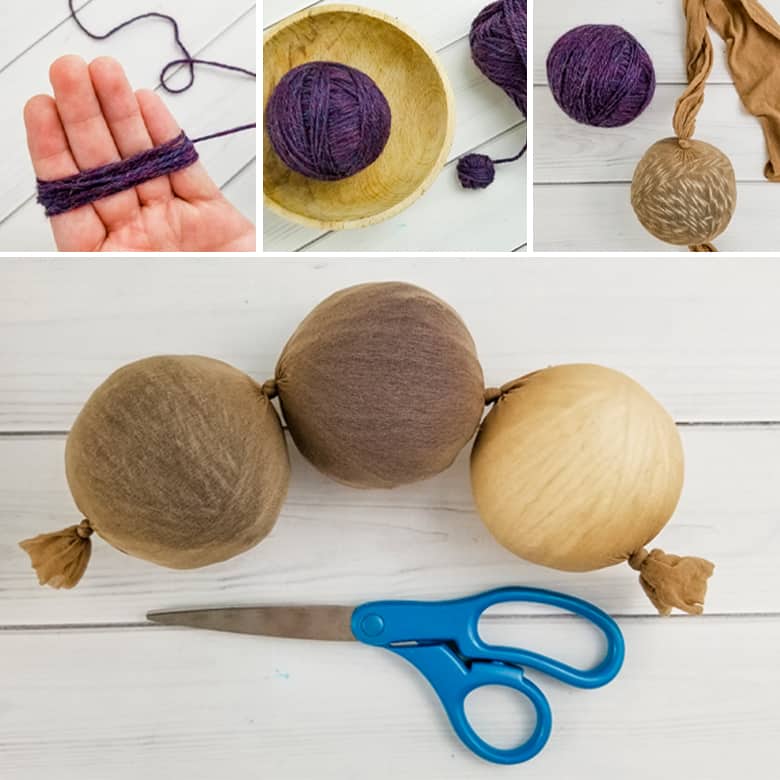
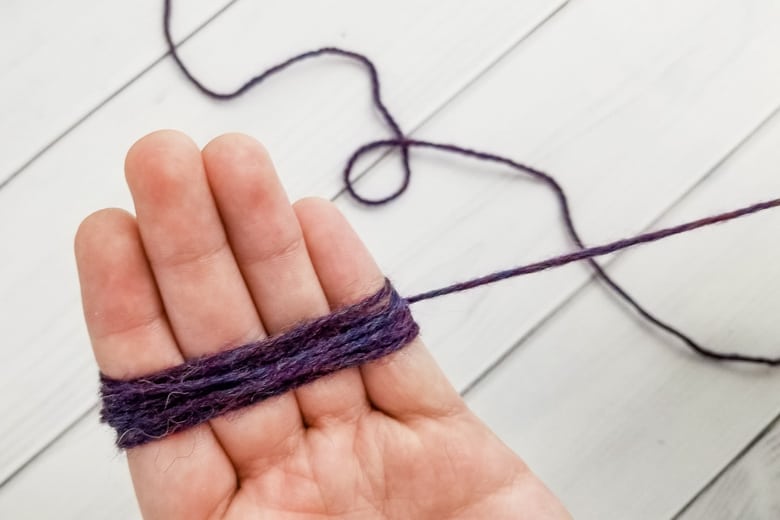
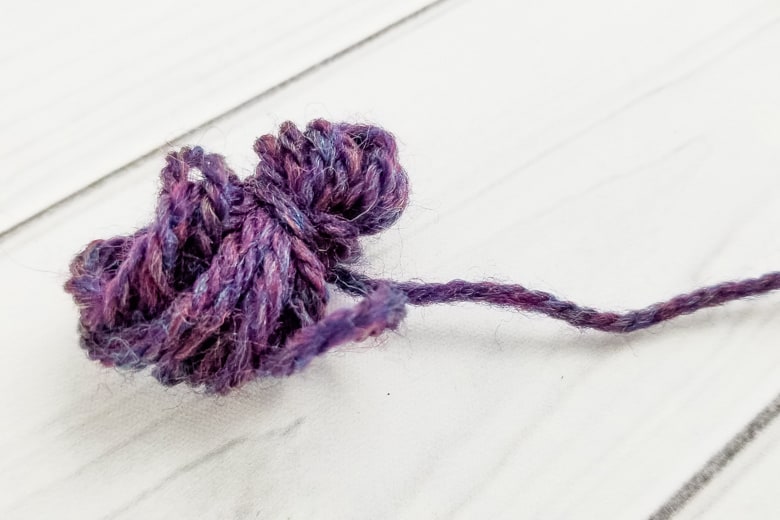
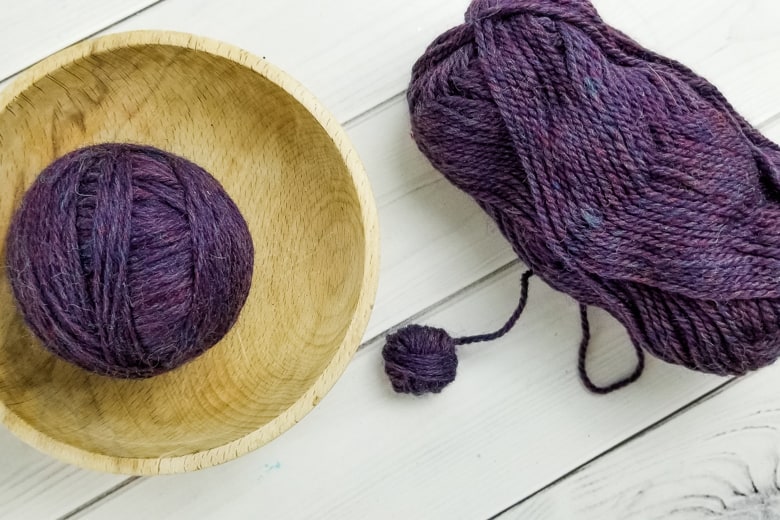
- Craft the Core: Begin by finding the end of your wool yarn. Hold your four fingers together and wrap the yarn horizontally around them approximately 10-15 times. Carefully slip the yarn loop off your fingers, keeping it pinched together. Now, wrap the yarn tightly around the center of this pinched loop about 10 more times. This forms the snug base, or core, of your dryer ball.

- Build the Ball: Continue wrapping the yarn around this small core. The key is to wrap in various directions, constantly changing the angle of your wrap to ensure a dense, evenly spherical shape. Keep going until the ball reaches roughly the size of a tennis ball or a baseball. Aim for a firm, solid ball with no loose spots. The denser it is, the better it will felt and last.
- Secure the Yarn: Once your ball has reached the desired size and density, cut the yarn, leaving about a 4-6 inch tail. Using your crochet hook, carefully thread this tail into the center of the ball, pulling it through a few layers of yarn to secure it firmly. Trim any excess, ensuring there are no loose ends.
- Repeat for a Set: To get the most out of your dryer balls, you’ll need several. Repeat the wrapping process to create 3-5 additional wool dryer balls, or as many as you wish to have for your laundry needs.
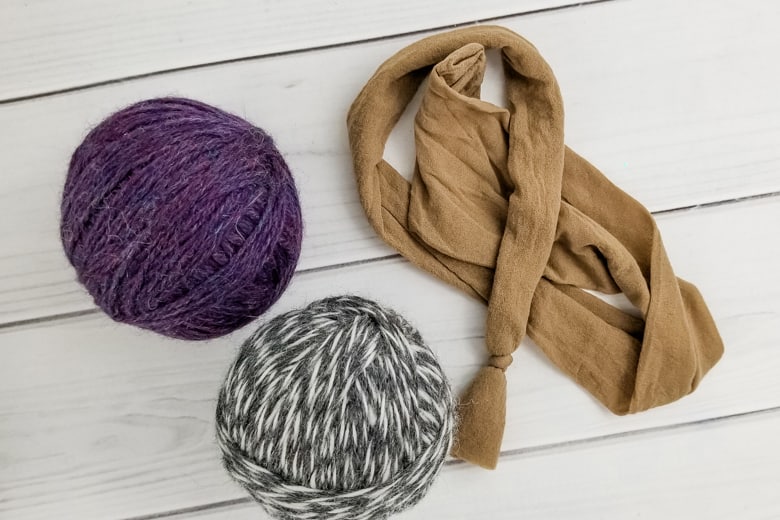
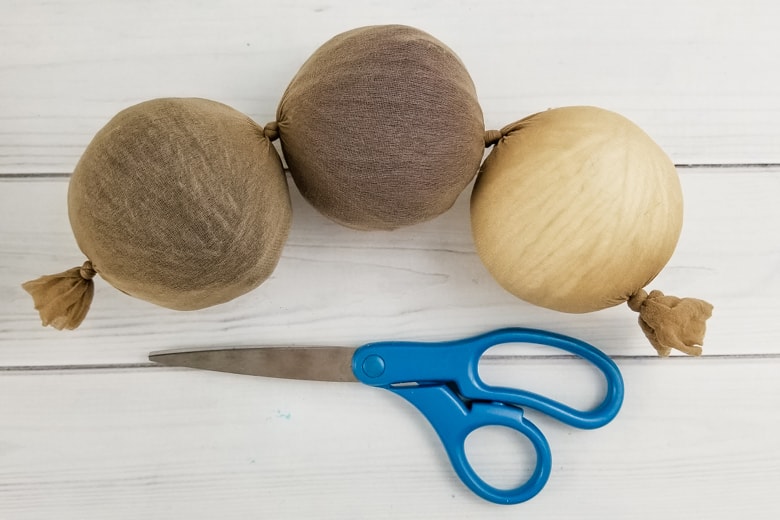
- Prepare for Felting: Take a pair of old pantyhose and cut off one leg. Tie a tight knot at the foot end of the pantyhose. Insert one of your handmade wool balls into the leg, pushing it down to the knot. Tie another tight knot directly above the ball to secure it. Repeat this process for each remaining wool ball, tying a knot between each one. You should be able to fit 4-5 dryer balls into a single pantyhose leg. Finish by tying a final knot at the open end of the pantyhose.
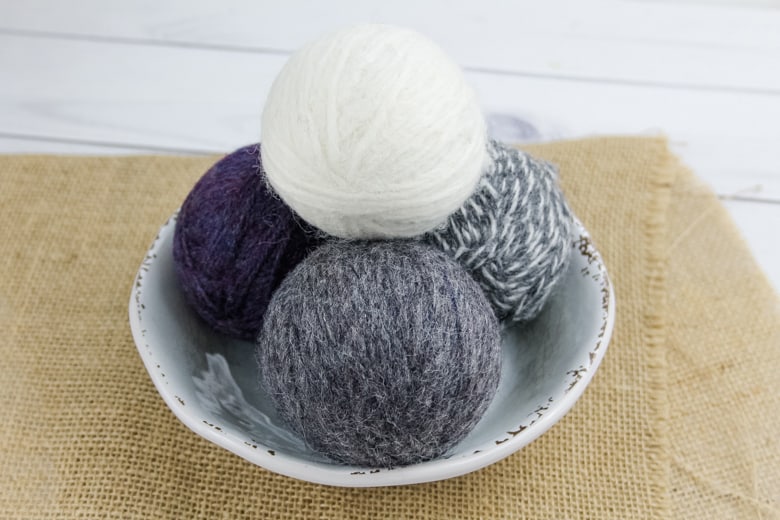
- Felt Them to Perfection: Place your pantyhose “sausage” containing the wool balls into your washing machine. Add a few old towels to the load (this helps with agitation and reduces noise). Run a hot wash cycle, preferably on a heavy or long setting. Once the wash cycle is complete, transfer the pantyhose with the balls (and towels) to the dryer and run on high heat. The combination of hot water, agitation, and high heat will cause the wool fibers to shrink and bond together, a process known as felting. This transforms your yarn balls into dense, durable dryer balls.
Note on Felting: It’s common for the felting process to require multiple cycles. You might need to repeat the hot wash and high heat dry cycle 3 or 4 times to achieve fully felted, firm dryer balls. The goal is for the individual yarn strands to no longer be visible; they should blend into a solid, felted surface. If your balls still feel soft or unraveling after a few cycles, repeat until they are dense and firm.
Understanding How Wool Dryer Balls Work Their Magic
The science behind wool dryer balls is surprisingly simple yet incredibly effective. As these dense, felted balls tumble and bounce within your dryer, they perform several key actions that significantly improve the drying process:
- Separating Laundry: The balls physically separate your wet clothes, preventing them from clumping together. This creates crucial air pockets, allowing the hot air from the dryer to circulate more freely and efficiently through all items in the load.
- Absorbing Moisture: Wool is a natural desiccant, meaning it readily absorbs moisture. As the dryer balls tumble, they draw water out of your clothes, which further contributes to faster drying times. The more balls you use, the greater this moisture-wicking effect.
- Reducing Static Cling: Static electricity builds up in dryers as fabrics rub against each other in a dry environment. Wool dryer balls help by providing a conductive medium, effectively reducing the friction that causes static. They also slightly increase humidity within the dryer drum as they release absorbed moisture, which further minimizes static.
- Naturally Softening Fabrics: The constant gentle beating and tumbling action of the wool balls against your clothes physically “fluffs” the fibers. This natural agitation softens fabrics without the need for chemical softeners that can leave residue and reduce absorbency.
- Minimizing Wrinkles: By keeping clothes separated and reducing clumping, the dryer balls allow items to tumble more freely. This prevents clothes from getting pressed into deep creases, leading to fewer wrinkles and potentially less ironing.
Are Wool Dryer Balls Safe for Your Laundry and Machines?
This is a common and valid concern for many looking to switch to natural alternatives. Based on extensive personal experience and widely available information, the answer is a resounding yes! I have personally used wool dryer balls daily in my dryer for over five years without encountering any issues whatsoever. They are designed to be safe and gentle for both your garments and your appliance.
There is no credible evidence to suggest that wool dryer balls damage modern dryers. They are much softer and lighter than items like shoes or metal objects that can cause damage. The wool is tightly felted, so it won’t shed or leave lint that could clog your machine’s vents any more than normal laundry lint. In fact, by shortening drying cycles, they may even extend the life of your dryer by reducing its operational time.
Furthermore, their chemical-free nature means they are safer for your skin, respiratory system, and the environment compared to conventional dryer sheets, which can leave a chemical residue on clothes and release volatile organic compounds (VOCs) into the air.
Choosing the Best Wool for Your DIY Dryer Balls
The success of your DIY wool dryer balls largely depends on the type of wool you select. For the best results, always seek out 100% pure animal fiber wool. Merino wool, alpaca, or even basic sheep’s wool yarn all work exceptionally well, provided they are untreated.
It is absolutely crucial to avoid any wool yarn labeled “superwash” or “machine washable.” These yarns have been chemically treated to prevent felting and shrinking, which is precisely the opposite of what we want to achieve with our dryer balls. If you use superwash wool, your balls will simply unravel in the washing machine and never felt into a solid form.
While I haven’t personally tried it, many crafters report that thick, lightly spun, or roving wool also works wonderfully for making dense, effective dryer balls. The less processed the wool, the better it tends to felt.
How Many Dryer Balls Should You Use Per Load?
When it comes to wool dryer balls, the general rule is: the more, the better! Using an adequate number of balls ensures optimal performance in separating laundry, absorbing moisture, and reducing static. The more balls you include, the shorter your drying time will be.
- For Small Loads: I recommend using 4-6 wool dryer balls. This amount is sufficient to effectively separate fewer items and help them dry quickly.
- For Medium to Large Loads: For standard or larger loads, use at least 6 dryer balls. If you have particularly bulky items like towels, bedding, or jeans, don’t hesitate to use 8 or even 10 balls for maximum efficiency.
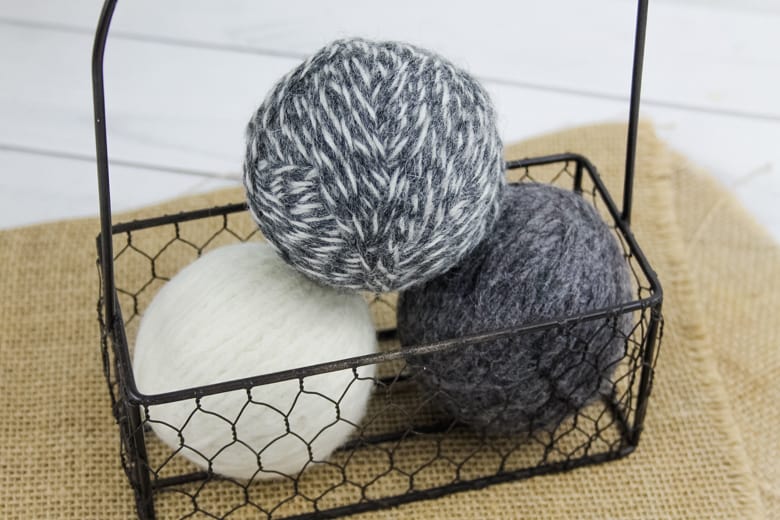
There’s no harm in using more, and you’ll likely find that a generous amount further reduces drying time and enhances softness. You can conveniently store your wool dryer balls in a basket or container right above your machines, making them easy to grab for each new load.
When to Replace Your Wool Dryer Balls
One of the fantastic advantages of wool dryer balls is their exceptional longevity. Properly made and felted dryer balls can last for hundreds, if not thousands, of laundry cycles, often serving you faithfully for several years. However, like all good things, they eventually show signs of wear and tear.
You’ll know it’s time to replace your wool dryer balls when they:
- Start Unraveling: The most obvious sign is when the tightly felted wool begins to loosen, and individual strands of yarn become visible or start to pull away from the main ball. If left too long, these unraveling strands can get tangled in your laundry.
- Become Significantly Smaller or Less Dense: Over time, the constant tumbling can cause the wool to compress further. While some compression is normal, if they shrink considerably or feel much softer and less dense than when new, their effectiveness might be reduced.
- Show Excessive Pilling: While some minor pilling is normal for wool, excessive pilling that transfers noticeable lint onto your clothes could indicate they are nearing the end of their useful life.
- Lose Effectiveness: If you notice your clothes are taking longer to dry, feeling less soft, or having more static cling, it could be a sign that your dryer balls are losing their efficacy and need to be replaced.
With proper care and tight felting during creation, you shouldn’t have to worry about replacing your DIY dryer balls for many years to come!
DIY Wool Dryer Balls
Author: Jaclyn
Prep Time: 30 mins
Cook Time: 1 hour
Total Time: 1 hr 30 mins
These DIY dryer balls are the perfect natural alternative to dryer sheets and fabric softener! Easy to make and so simple to use.
Yields: 2-4 dryer balls
Equipment
- Crochet hook
- Scissors
Supplies
- 2-3 skeins of worsted or 100% wool
- Pantyhose
Instructions
-
Find the beginning piece of yarn and wrap it around your four fingers horizontally 10-15 times.
-
Slip the yarn from your fingers and pinch it closed. Wrap the yarn around the center 10 times.
-
Keep wrapping the yarn around the small ball, alternating directions, until it is the size of a baseball. Continue wrapping until you are satisfied with the overall size and density of your wool dryer ball.
-
Cut the yarn and push the end of the yarn into one end of the ball with your crochet hook. Repeat this process for as many dryer balls as you’d like to make.
-
Cut the leg off your pantyhose and tie a knot at the foot. Push a dryer ball into the pantyhose and tie a knot above it. Repeat for remaining dryer balls, tying a knot between each, and tie a final knot at the open end. 4-5 dryer balls should comfortably fit per leg.
-
Add the pantyhose with dryer balls into the washing machine along with a few towels (to reduce noise and aid agitation) and wash on the hottest setting. Once the cycle ends, transfer to the dryer and run on high heat. This process will fuse the yarn together, making the balls felted and dense. If the balls still feel soft or show visible yarn strands, repeat the hot wash and high heat dry cycle 2-3 more times until they are fully felted.
Notes
How to Use: Add your felted wool dryer balls to each load in the dryer. For a delightful, natural scent, add a few drops of your favorite essential oils (such as lavender, lemon, or tea tree oil) directly onto the dryer balls. Allow the oil to soak in for 5-10 minutes before adding them to the dryer to prevent oil stains on clothing.
Did You Make This Craft?
Share it with me on Instagram @crayonsandcravings and follow on Pinterest @crayonsandcravings for even more!
Email Craft |
Pin Craft |
Leave A Review
Pin this Guide for Later!