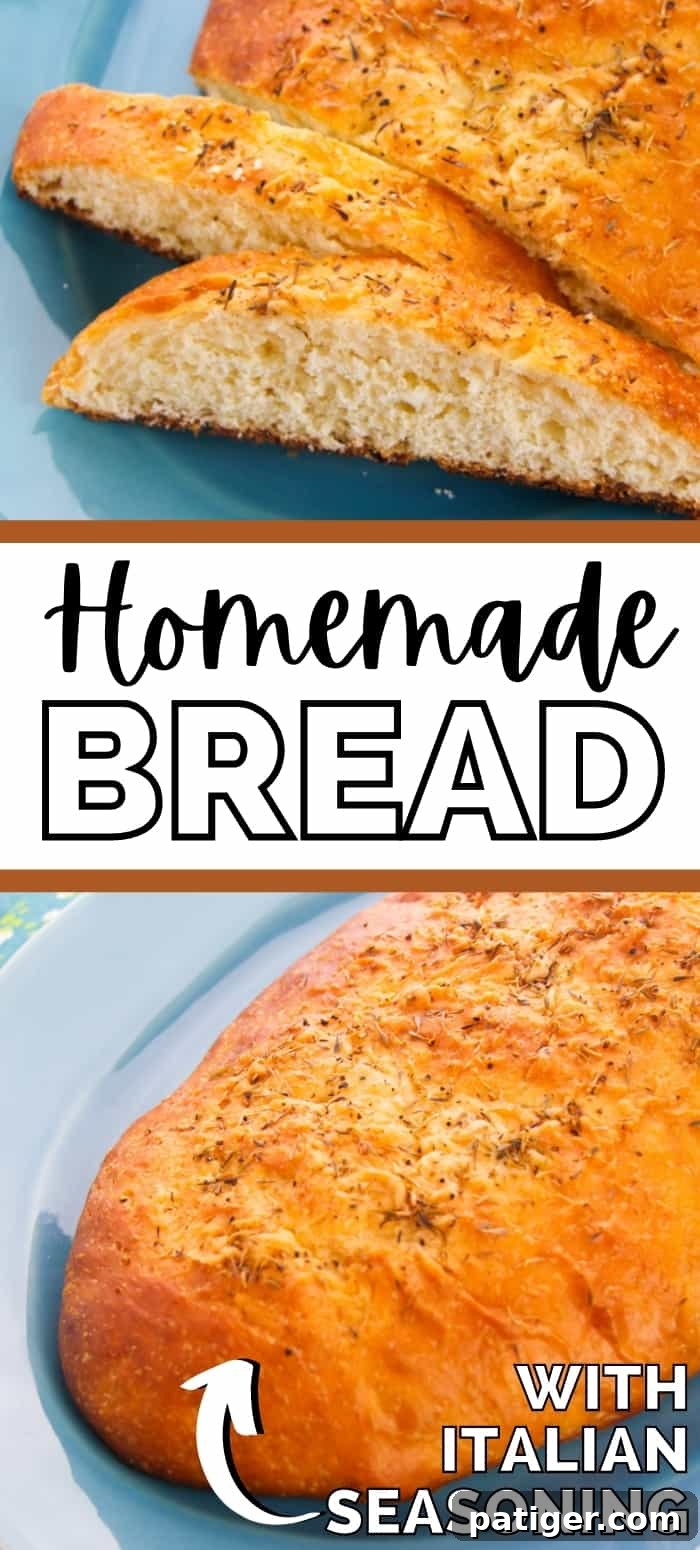
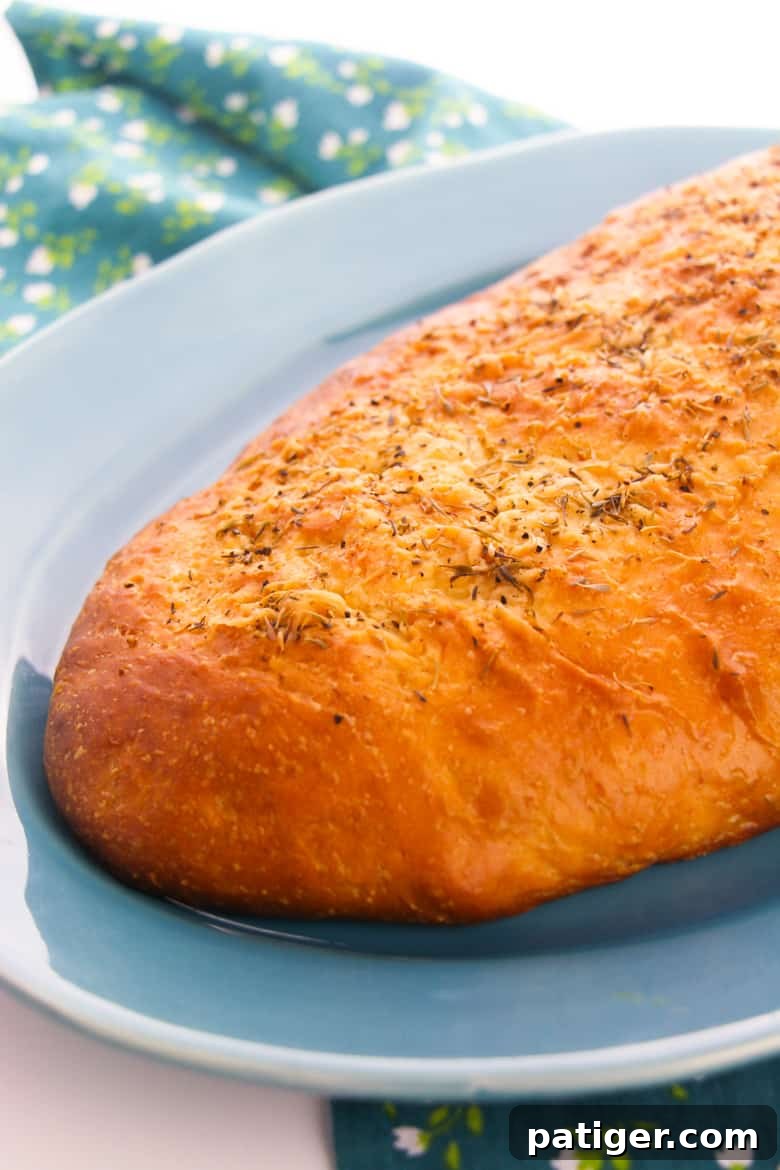
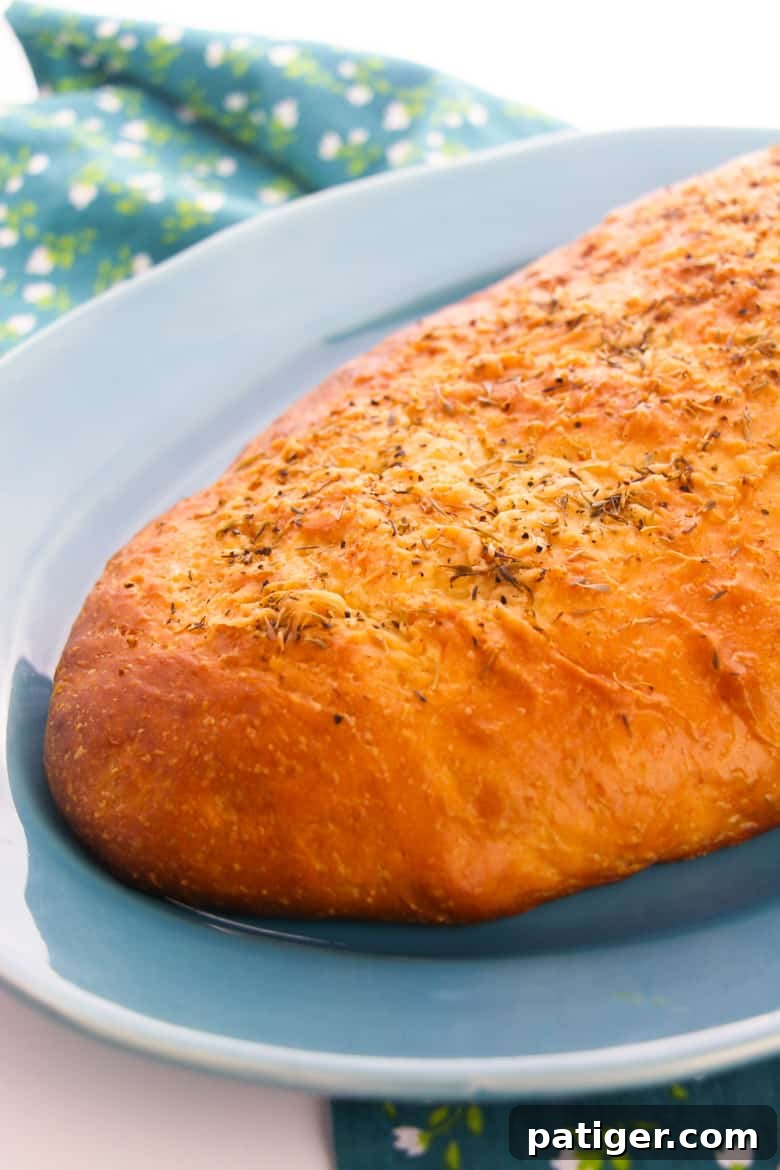
There’s an undeniable magic that happens when a loaf of freshly baked bread emerges from the oven, filling your home with an intoxicating aroma. Now, imagine that classic comfort infused with the aromatic essence of the Mediterranean. This is the promise of Italian seasoned bread – a delightful yeast bread recipe that is generously seasoned with a fragrant blend of Italian herbs and spices, then baked to golden-brown perfection.
If you’re a true bread lover, someone who appreciates the simple yet profound pleasure of a warm, crusty slice, then you absolutely won’t want to miss out on this incredible homemade Italian bread recipe. It’s more than just a side dish; it’s an experience, a centerpiece, and a testament to the joy of baking from scratch.
Homemade Italian Seasoned Bread: A Culinary Delight
Forget the store-bought varieties that often lack the true depth of flavor and the satisfying texture of homemade. With this recipe for Italian seasoned bread, you can create a masterpiece right in your own kitchen that will impress your family and friends. This isn’t just about saving a trip to the bakery; it’s about crafting something truly special, infused with your effort and love.
This versatile Italian bread goes wonderfully with a myriad of dishes. Picture it as the perfect companion to rich pasta dishes, its crusty exterior ideal for dipping into hearty soups, or simply slathered with butter and enjoyed on its own. The possibilities are endless. Beyond this savory creation, I also highly recommend trying my fluffy potato rolls, savory pull-apart herb biscuits, and traditional Irish soda bread for more homemade bread inspiration.
Why Bake Your Own Italian Seasoned Bread?
The act of baking bread is a therapeutic experience, and the rewards are abundant. Making your own Italian seasoned bread offers several compelling advantages:
- Unmatched Freshness and Flavor: Store-bought bread simply can’t compare to the aroma and taste of a loaf baked just hours ago. The vibrant flavors of Italian seasoning truly shine when fresh.
- Control Over Ingredients: You know exactly what goes into your bread, free from preservatives and artificial additives. This is especially beneficial for those with dietary concerns or simply seeking healthier options.
- Cost-Effective: Basic bread ingredients are relatively inexpensive, making homemade bread a budget-friendly choice compared to artisanal loaves from a bakery.
- Impressive for Guests: Serving a warm, homemade loaf of bread elevates any meal, making it feel more special and intentional. Your guests will undoubtedly be impressed by your baking prowess.
- Customization: As you’ll see in our tips, making bread from scratch allows you to tailor the flavors and textures precisely to your liking.
The Essential Ingredients for Your Best Italian Seasoned Bread
One of the beauties of this recipe is that you likely already have most, if not all, of the ingredients on hand in your pantry. Simplicity meets deliciousness in this classic yeast bread recipe. Here’s a closer look at what you’ll need and why each component is crucial:
- All-purpose flour: The foundation of our bread. While all-purpose works wonderfully, bread flour can be substituted for an even chewier texture due to its higher protein content.
- Instant yeast: This magical ingredient is what makes our bread rise, giving it that wonderfully airy texture. Instant yeast is convenient as it doesn’t require separate proofing.
- Granulated sugar: Sugar serves a dual purpose: it feeds the yeast, helping it activate and produce carbon dioxide for rising, and it also contributes to the beautiful golden-brown crust and a subtle hint of sweetness.
- Salt: Essential for flavor, salt also plays a vital role in controlling yeast activity and strengthening the gluten structure of the dough.
- Warm water: The temperature of the water is critical for activating the yeast. It needs to be warm enough to awaken the yeast, but not so hot that it kills it. Aim for a temperature around 105-115°F (40-46°C).
- Butter: Softened butter adds richness, tenderness, and a lovely flavor to the bread. A little extra melted butter for brushing before and after baking adds an incredible sheen and taste.
- Large egg: The egg contributes to the bread’s structure, richness, and helps create a soft, slightly chewy crumb. It also aids in browning.
- Italian seasoning: The star of the show! This blend of dried herbs like oregano, basil, thyme, rosemary, and marjoram infuses the bread with its distinctive, aromatic Italian character.
Mastering Your Dough: Expert Tips for the Best Italian Seasoned Bread
Baking bread is both an art and a science, and a few key techniques can make all the difference between a good loaf and an extraordinary one. Here are some essential variations and tips to help you achieve perfect results with your easy Italian bread recipe:
- Elevate the Flavor with Extra Seasoning: Don’t be shy with the Italian seasoning! You can incorporate more into the bread dough itself, not just on top, to truly infuse every bite with that aromatic herbal goodness. Consider adding a teaspoon or two directly into the dry ingredients.
- The Cheesy Finish: For an irresistible savory kick, consider sprinkling some grated Parmesan or Pecorino Romano cheese over the top of the loaf during the last few minutes of baking. The cheese will melt and become golden and slightly crispy, adding an extra layer of flavor and texture.
- Adjusting Flour for Texture: While all-purpose flour works well, swapping it for bread flour will yield a chewier texture. Bread flour has a higher protein content, which develops more gluten, resulting in a bread with more structure and chew.
- Avoid Overmixing and Too Much Flour: This is crucial. Overmixing the dough can lead to a tough bread, while adding too much flour makes the dough dense and difficult to work with, resulting in a dry or crumbly loaf. The dough should be soft and slightly sticky, not stiff. Resist the urge to add excessive flour during kneading.
- The Perfect Water Temperature for Yeast: As mentioned, the warm water is vital for activating the yeast. Ensure its temperature is between 105°F and 115°F (40-46°C). Water that is too cold won’t activate the yeast, and water that is too hot will kill it, preventing your bread from rising. A good way to test is if it feels comfortably warm, like a baby’s bath.
- Creating an Ideal Rising Environment: Yeast dough loves warmth and hates drafts. To help your dough rise effectively, place the greased bowl (covered with plastic wrap or a clean kitchen towel) in a warm, draft-free spot. This could be a slightly warm oven (turned off!), near a sunny window, or on top of a warm appliance.
- Doubling the Recipe: If you’re baking for a crowd or want to have an extra loaf for later, this recipe is easily doubled. Just be sure to use larger bowls for mixing and rising. You can bake multiple loaves simultaneously if your oven has enough space, or freeze one for future enjoyment.
- Experiment with Seasoning Blends: While Italian seasoning is fantastic, feel free to experiment! Add a pinch of garlic powder, onion powder, or a dash of red pepper flakes for a subtle heat. Fresh chopped rosemary or thyme can also be kneaded into the dough for an even fresher herb flavor.
- Shaping Variations: Instead of a traditional log, you could divide the dough into smaller portions to create dinner rolls, or even shape it into a round boule for a rustic look. Adjust baking times accordingly for smaller shapes.
Step-by-Step Guide: Crafting Your Delicious Italian Seasoned Bread
Making homemade bread can seem daunting, but this recipe breaks it down into simple, manageable steps. Follow along to create a beautiful, aromatic loaf of easy Italian bread:
- Combine Dry Ingredients: In a large mixing bowl, thoroughly combine your all-purpose flour, granulated sugar, salt, and instant yeast. Stir these dry ingredients well to ensure even distribution, which is key for a consistent rise and flavor.
- Form the Dough: Create a shallow well in the center of your dry ingredients. Pour the warm water into this well, then add the softened butter and the large egg. Using a sturdy spoon or your hands, begin to stir from the center outwards, gradually incorporating the dry ingredients into the wet until a soft, shaggy dough forms.
- Knead to Perfection: Turn the dough out onto a lightly floured surface. Knead the dough by hand for about 8-10 minutes. During this process, the dough will transform from sticky and shaggy to smooth, elastic, and soft. It should no longer stick aggressively to your hands or the surface. If it’s too sticky, add flour one tablespoon at a time, being careful not to add too much (remember, this is a softer dough). A good test for proper kneading is the “windowpane test”: stretch a small piece of dough thinly; if you can see light through it without it tearing, your gluten is well-developed.
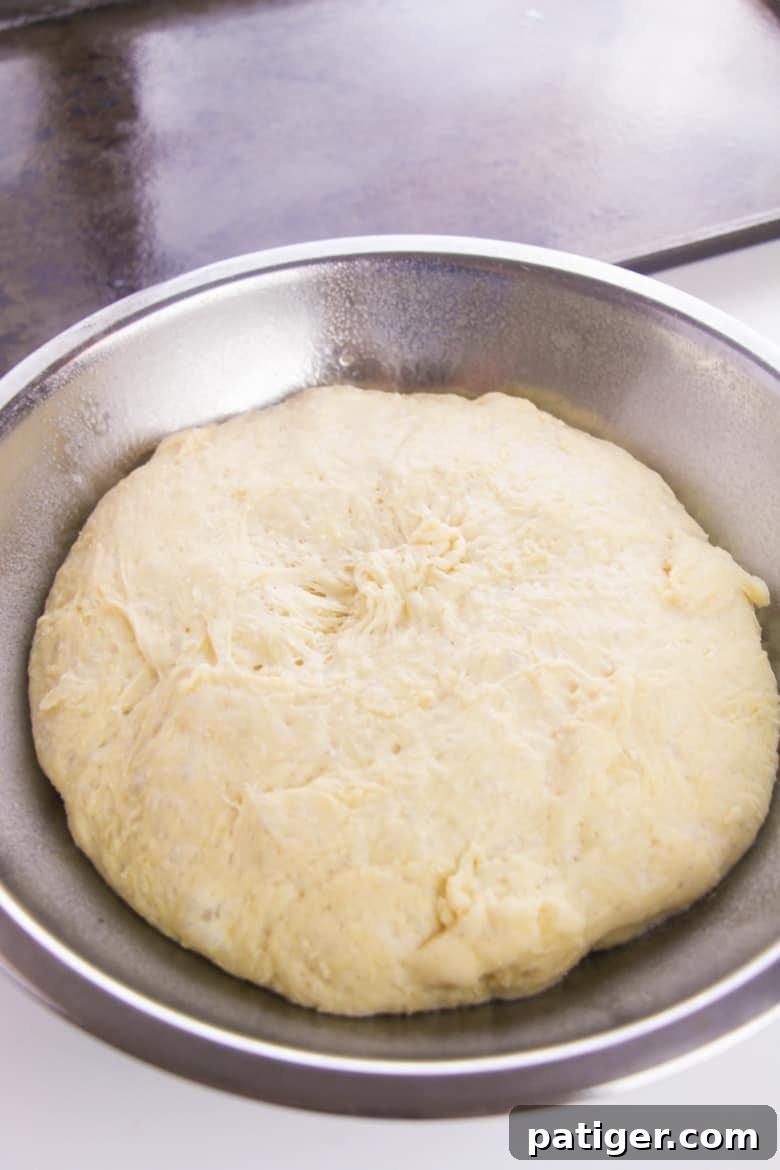
- First Rise (Proofing): Lightly grease a clean large bowl with a little oil or cooking spray. Place the kneaded dough into the bowl, turning it once to coat all sides. Cover the bowl tightly with plastic wrap or a clean, damp kitchen towel. Place it in a warm, draft-free area of your kitchen and allow it to rise for approximately 2 hours, or until it has visibly doubled in size. This first rise develops flavor and creates a tender crumb.
- Punch Down and Shape: Once the dough has risen beautifully, gently punch it down to release the air. This redistributes the yeast and prepares the dough for its final shape. Turn the dough out onto your lightly floured surface and gently form it into a long, even log shape.
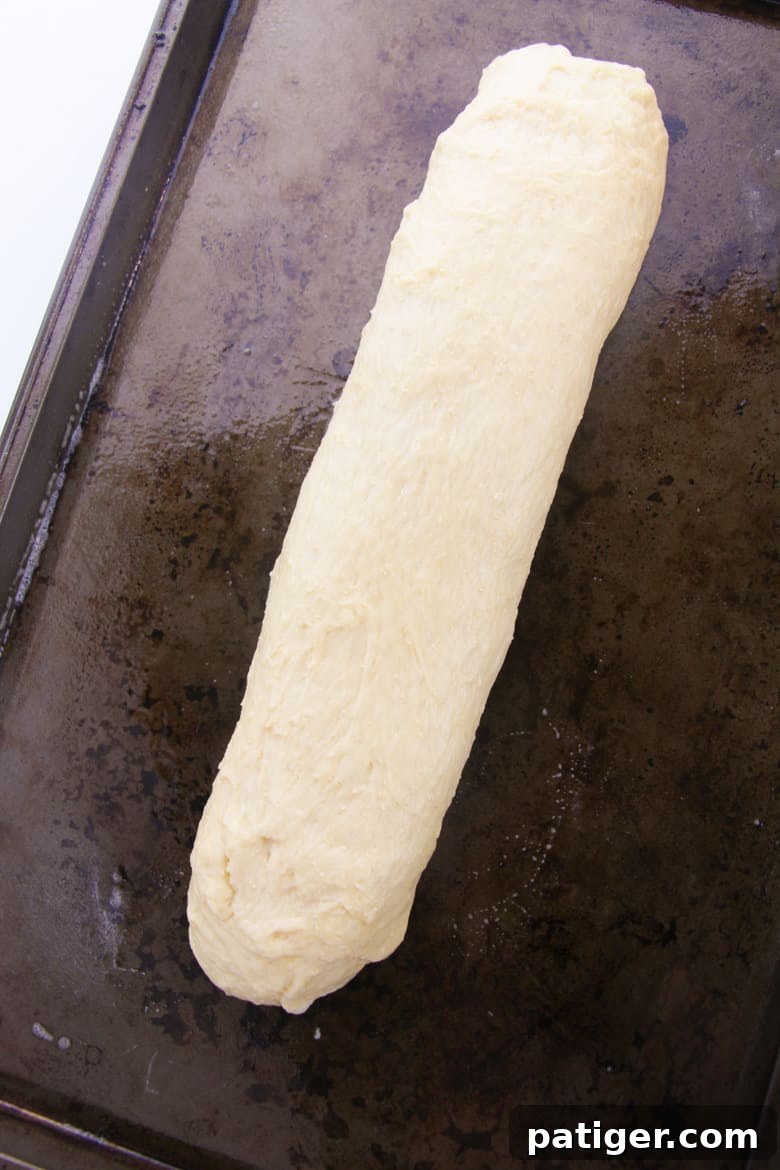
- Second Rise: Prepare a baking sheet by greasing it or lining it with parchment paper. Carefully transfer your shaped dough log onto the prepared baking sheet. Cover the dough again with plastic wrap or a clean kitchen towel and let it rise for another 1 to 1.5 hours in a warm spot. During this second rise, the bread will expand significantly, becoming light and airy. It should nearly double in size again.
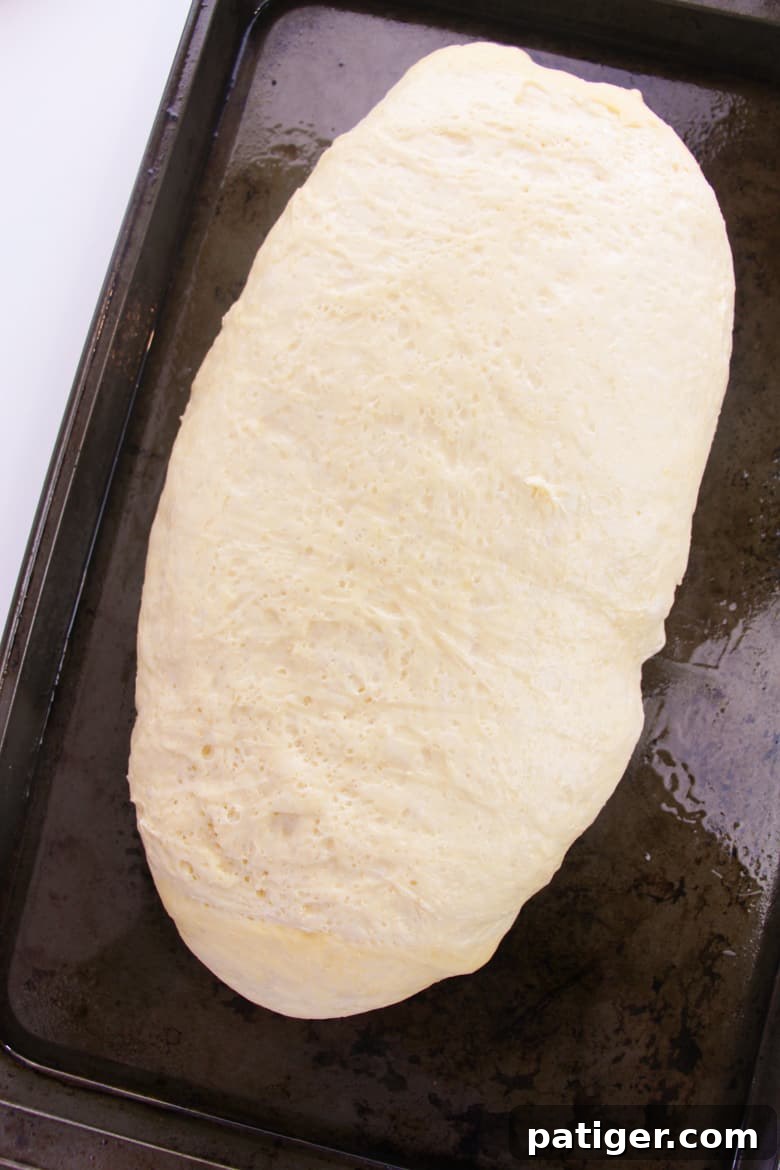
- Preheat Oven & Prepare for Baking: While your dough is on its second rise, preheat your oven to 375°F (190°C). This ensures the oven is at the correct temperature when the bread goes in, promoting an even bake and good oven spring.
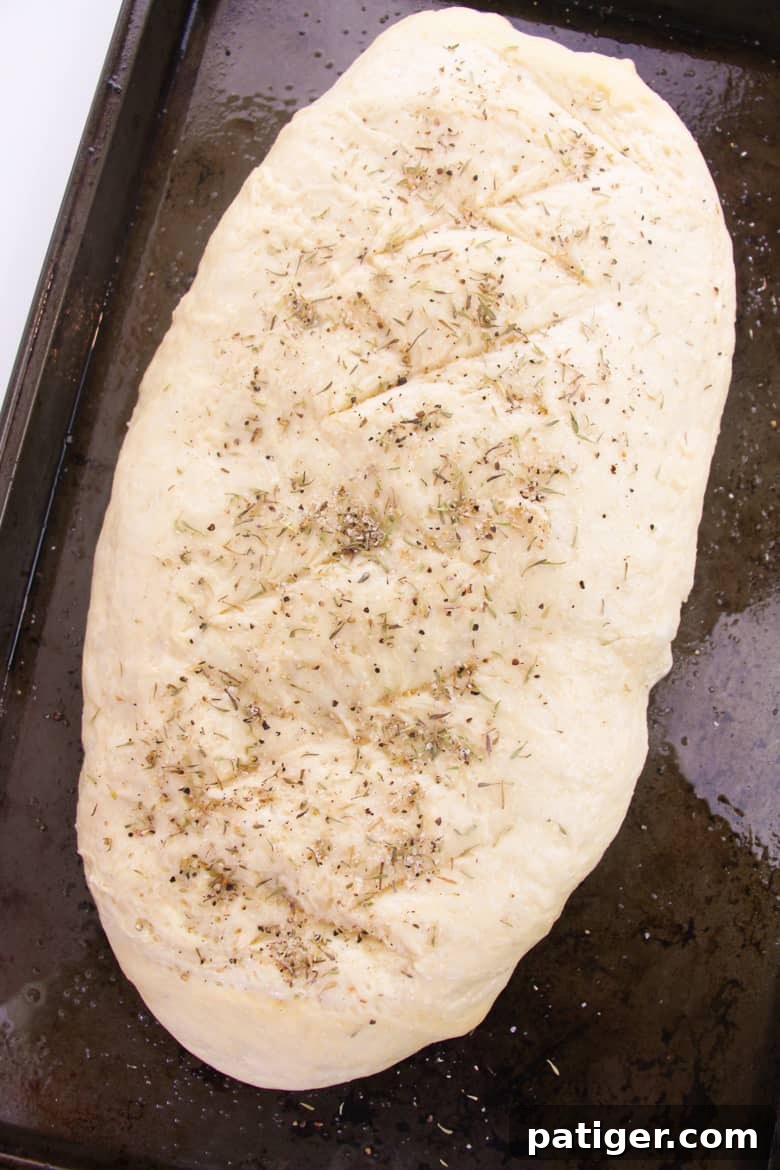
- Season and Bake: Once the bread has completed its second rise, gently brush the entire surface with a little melted butter. Then, generously sprinkle it with the Italian seasoning. This coating will create a beautiful, flavorful crust. Place the baking sheet into the preheated oven and bake for 15-20 minutes, or until the crust is a rich golden brown and the internal temperature reaches 200-210°F (93-99°C).
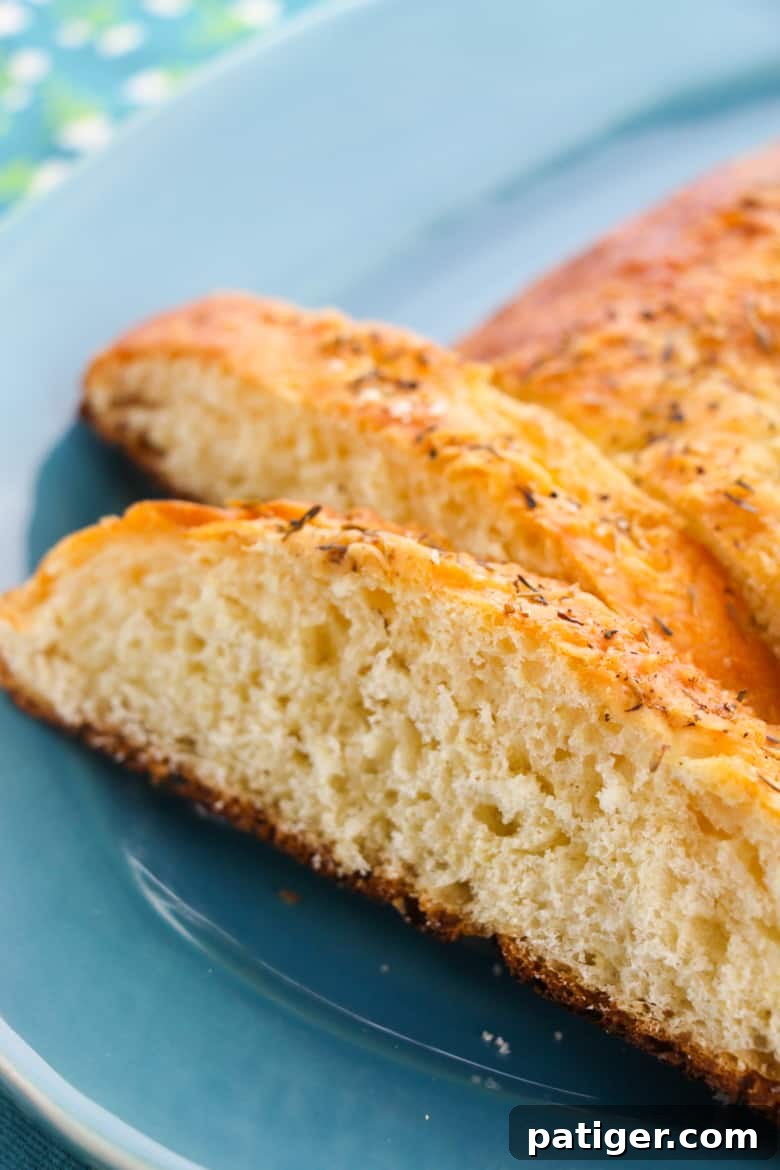
Immediately after removing the bread from the oven, brush it again with a little more melted butter for an extra touch of shine and flavor. Allow the bread to cool on a wire rack for at least 15-20 minutes before slicing. This resting period allows the internal structure to set and prevents the bread from becoming gummy. Then, slice it up and enjoy your warm, fresh Italian seasoned bread that’s bursting with incredible flavor!
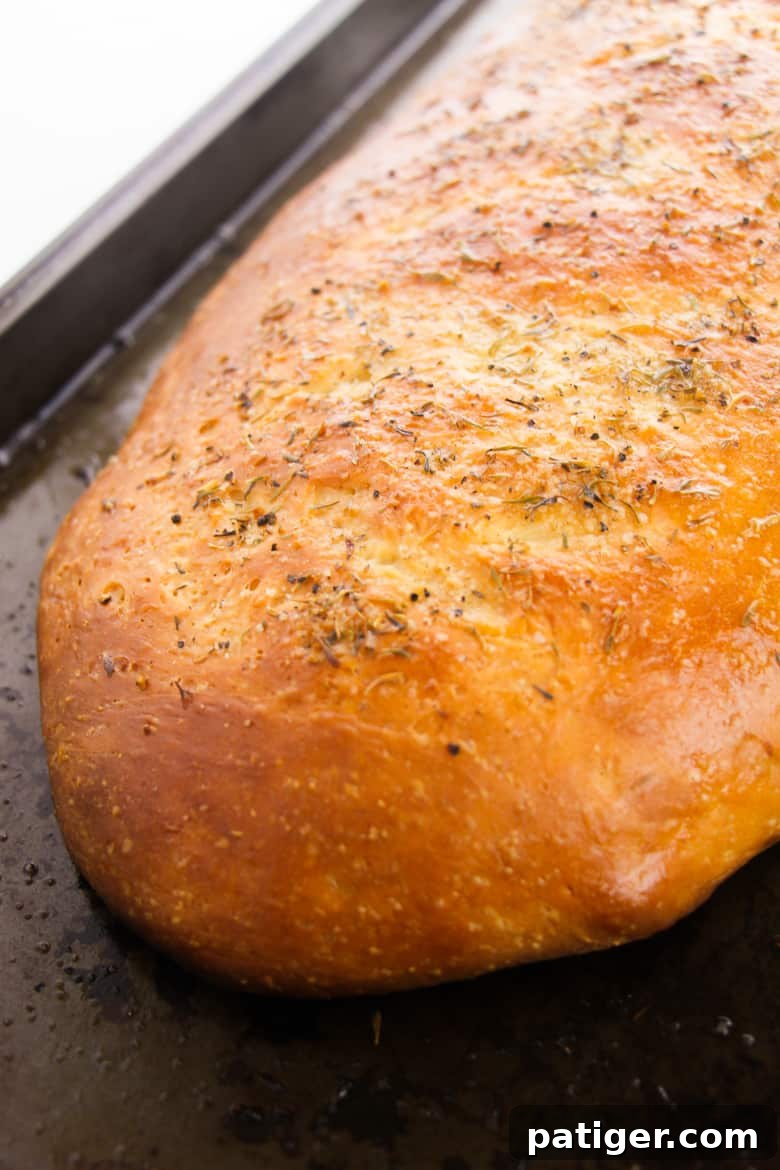
This homemade Italian bread recipe is surprisingly simple to make, and the incredible aroma and taste make it absolutely worth every moment of waiting. Serve it with butter (we highly recommend this easy homemade butter) and savor the moment!
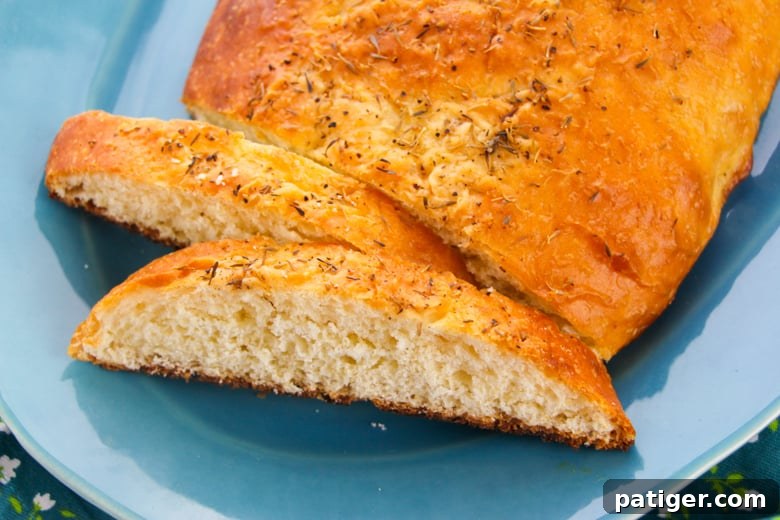
Perfect Pairings: What To Serve With Italian Seasoned Bread
One of the best qualities of this homemade Italian bread is its incredible versatility. It complements a vast array of dishes, making it a staple for any meal. Here are some delectable ideas to get you started:
- Smothered Pork Chops: The rich gravy of smothered pork chops is just begging to be soaked up by a slice of crusty Italian bread.
- Eggplant Parmesan: A classic Italian pairing! The bread is perfect for scooping up any leftover sauce or just as a delicious side.
- Penne alla Vodka: The creamy, tomato-based sauce of Penne alla Vodka finds its ideal companion in this flavorful bread.
- Tuna Noodle Casserole: A comforting classic that becomes even more satisfying with a slice of warm, seasoned bread.
- Shrimp Scampi: Use the bread to mop up every last drop of that delicious garlic-butter-wine sauce. Absolutely essential!
- Olive Garden Salad: Recreate the restaurant experience at home by serving your homemade bread with a fresh, crisp salad.
- Instant Pot Meatballs: Whether in a sandwich or alongside, meatballs in sauce are always better with good bread.
- Soups and Stews: Any hearty soup, chili, or stew benefits from a side of crusty bread for dipping.
- With Olive Oil: A simple yet elegant appetizer. Serve slices with a good quality olive oil, perhaps a balsamic glaze, and a sprinkle of red pepper flakes for dipping.
- Garlic Bread: Slice the loaf horizontally, spread with garlic butter, and toast lightly for an instant garlic bread upgrade.
- Sandwiches and Paninis: Transform your everyday sandwiches into gourmet creations with this flavorful bread.
Essentially, this bread goes with almost everything, making it a truly versatile and beloved staple!
Storing and Freezing Your Homemade Italian Seasoned Bread
While this Italian seasoned bread is undoubtedly at its peak when served warm and fresh from the oven, you can certainly store it to enjoy later. Proper storage ensures it retains as much of its wonderful texture and flavor as possible.
Storing at Room Temperature:
For short-term storage, this bread can be kept in an airtight container or a large, sealable plastic bag on your kitchen counter for up to 3-4 days. It’s crucial that the bread is completely cooled before storing. Placing warm bread into an airtight container will trap moisture, leading to condensation which can make the crust soggy and promote mold growth. If you notice it starting to dry out, a quick toast or gentle warming in the oven can revive its texture.
Freezing for Longer Enjoyment:
One of the best ways to preserve the freshness of your homemade Italian bread is by freezing it. This is particularly useful if you’ve made a double batch or simply want to enjoy homemade bread on demand.
- To Freeze a Whole Loaf: Allow the baked bread to cool completely to room temperature. Wrap the entire loaf tightly in plastic wrap, ensuring no part is exposed to air. Then, wrap it again in aluminum foil. This double-layer protection helps prevent freezer burn. Label with the date and freeze for up to 3-4 months.
- To Freeze Sliced Bread: If you prefer individual slices, slice the cooled loaf first. You can then stack the slices with parchment paper in between to prevent them from sticking together, and place them in a freezer-safe bag or container. This allows you to pull out just a few slices as needed.
- Thawing and Reheating:
- From Whole Loaf: To thaw a whole loaf, remove it from the freezer and let it sit on the counter, still wrapped, for several hours or overnight until fully thawed. For a “fresh out of the oven” experience, unwrap the thawed loaf, sprinkle it lightly with water, wrap it loosely in aluminum foil, and reheat in a 300°F (150°C) oven for about 15-20 minutes, or until warmed through and crusty.
- From Sliced Bread: Individual slices can be thawed on the counter for a few minutes, then warmed in a toaster, toaster oven, or a regular oven for a quick and delicious treat.
Following these storage guidelines will ensure you can enjoy your delicious homemade Italian seasoned bread long after baking day!

Italian Seasoned Bread
Author: Jaclyn
A delicious homemade bread made with Italian seasoning and baked to golden perfection.
Prep Time: 30 mins
Cook Time: 15 mins
Additional Time: 3 hrs 30 mins (Rising)
Total Time: 4 hrs 15 mins
Servings: 10 servings
Ingredients
- 2-5 cups all-purpose flour (start with 2.5, add up to 1 more cup as needed)
- 3 Tablespoons granulated sugar
- 1/2 teaspoon salt
- 1 Tablespoon instant yeast
- 3/4 cup warm water (105-115°F / 40-46°C)
- 2 1/2 Tablespoons butter, softened at room temperature, plus additional for brushing
- 1 large egg
- 1 Tablespoon Italian seasoning
Instructions
- In a large bowl, combine the flour, granulated sugar, salt, and instant yeast. Stir well to combine dry ingredients, then make a well in the center. Pour the warm water into the well and add the softened butter and egg. Stir well to combine and form a soft, shaggy dough.
- Turn the dough out onto a lightly floured surface. Knead the dough by hand until it becomes elastic and forms a soft ball that pulls away from the sides, adding up to one cup more flour as needed. (Note: This is a stickier dough – it will not form the same cohesive ball as a harder, proofed dough. Avoid the temptation to add more than 3 total cups of flour unless absolutely necessary).
- Lightly grease a large bowl. Place the dough in the greased bowl, turning once to coat. Cover the bowl with plastic wrap and a clean kitchen towel and place in a warm, draft-free area of your kitchen to rise for 2 hours, or until doubled in size.
- Once the dough has risen, gently punch it down to deflate the air. Grease or line a baking sheet with parchment paper. Turn the dough out and form it into a long log. Place on the prepared baking sheet.
- Cover the dough log again with plastic wrap and a kitchen towel and allow to rise for another 1 1/2 hours, or until noticeably expanded.
- Preheat your oven to 375°F (190°C).
- Once the dough has completed its second rise, gently brush the risen dough with melted butter and generously sprinkle with Italian seasoning.
- Bake for 15-20 minutes, or until golden brown on top and cooked through (internal temperature should be 200-210°F / 93-99°C). Brush with additional melted butter while still warm. Allow to cool slightly on a wire rack before slicing and enjoying.
Notes
- The warm water needs to be around 105-115°F (40-46°C). If the water is too hot, it will kill the yeast, and your bread won’t rise.
- Make sure to work with the dough gently. Do not overmix or add too much flour, as this will result in denser or crumbly bread.
Nutrition
Serving: 1g | Calories: 279kcal

Did You Make This Recipe?
Share it with me on Instagram @crayonsandcravings and follow on Pinterest @crayonsandcravings for even more delicious recipes and inspiration!
Pin for Later: