
Irresistible Lemon Bars with Buttery Shortbread Crust: Your Ultimate Guide
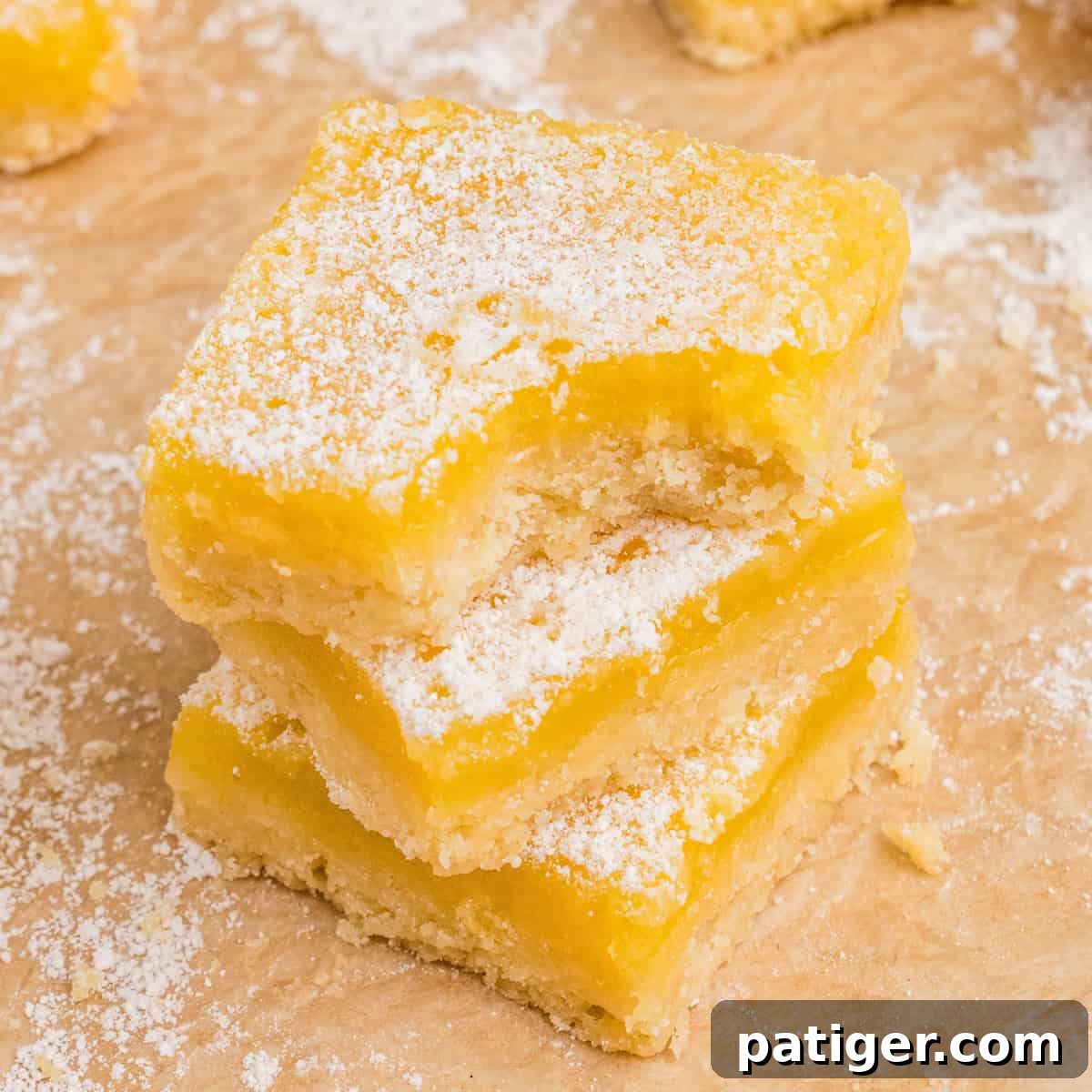
If you’re searching for a dessert that brightens any day, these homemade Lemon Bars with Shortbread Cookie Crust are an absolute dream come true. Combining a wonderfully zesty, vibrant lemon filling with a rich, melt-in-your-mouth shortbread base, this classic lemon bar recipe promises a delightful experience for everyone lucky enough to try them. Perfectly sweet, delightfully tart, and incredibly easy to make, these lemon squares are destined to become a staple in your recipe collection.
Why These Homemade Lemon Bars Stand Out
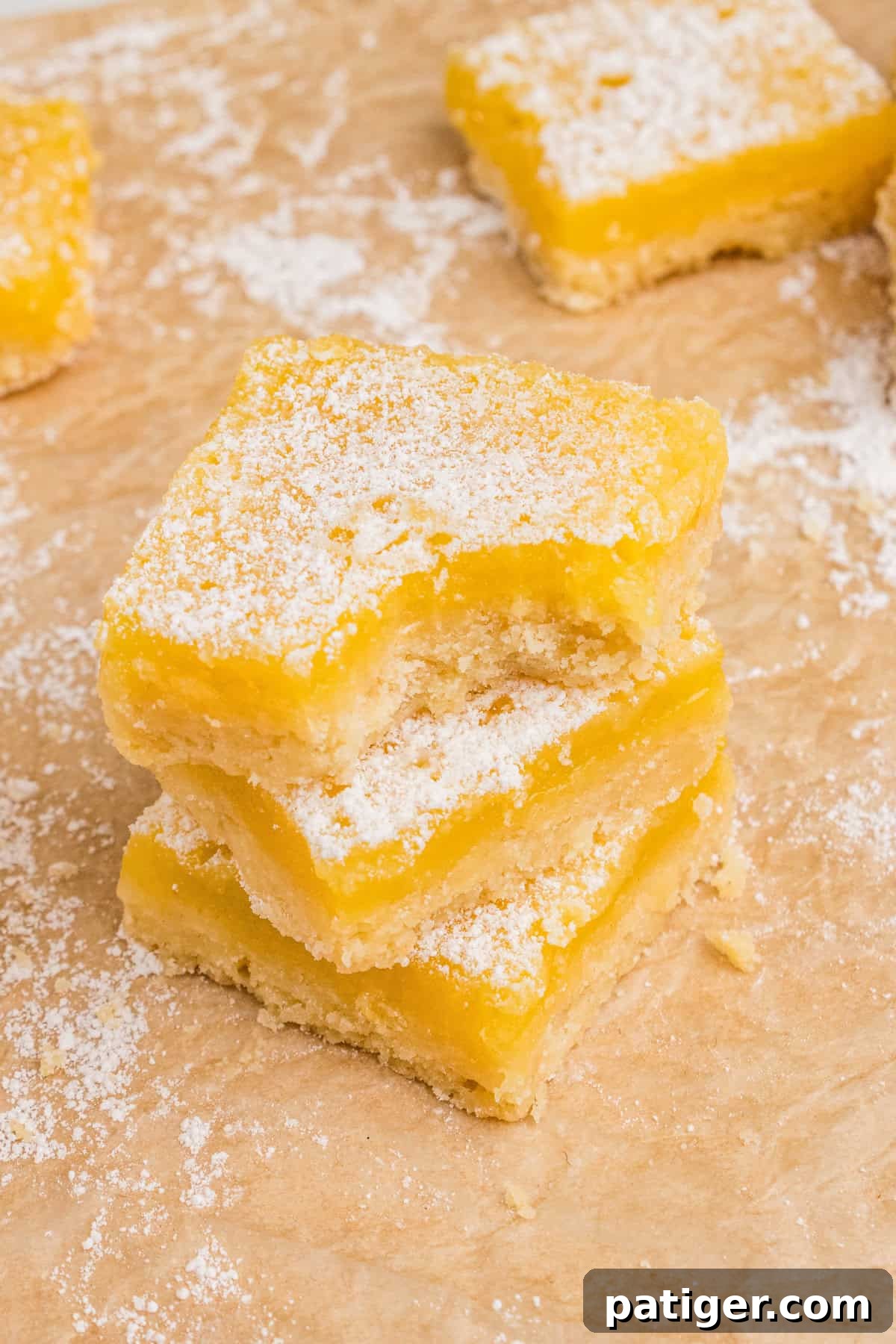
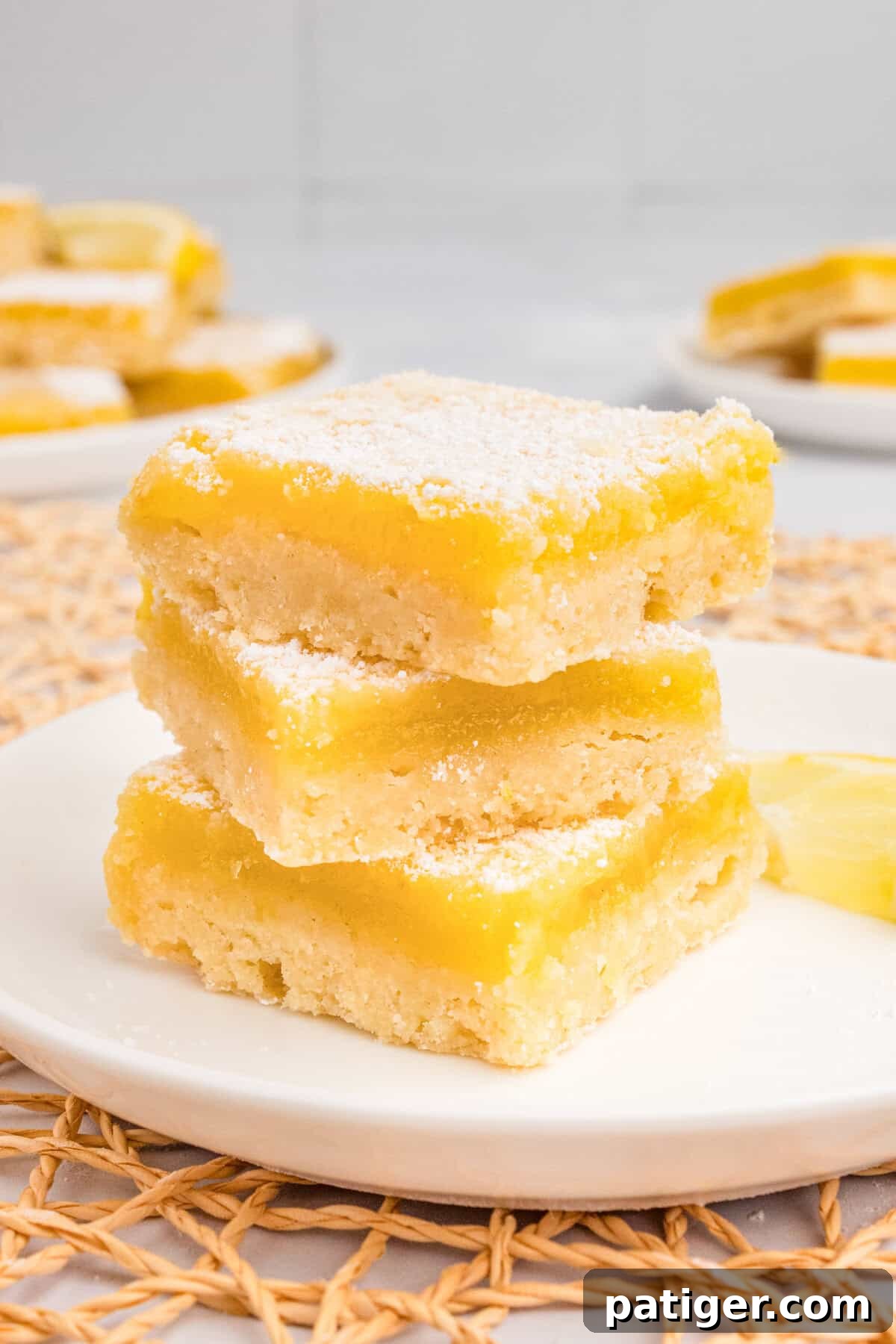
Often referred to simply as lemon squares, these delightful dessert bars are a timeless classic, cherished for their bright, tangy lemon flavor. What makes *this* particular recipe exceptional is the thoughtful addition of an extra egg yolk to the lemon curd filling. This secret ingredient results in an incredibly smooth, creamy, and luscious texture that sets these bars apart from ordinary versions. The filling achieves a custardy consistency that melts in your mouth, offering a luxurious contrast to the crumbly base.
Coupled with a perfectly buttery and tender shortbread crust, each bite offers a harmonious balance of tart and sweet that’s simply irresistible. The shortbread is crisp yet yielding, providing the ideal foundation for the tangy lemon layer. This combination creates a dessert that’s both comforting and sophisticated, making it a crowd-pleaser for any gathering.
The Perfect Dessert for Any Occasion and Season
Much like other beloved lemon treats such as lemon cake mix cookies, lemon cupcakes, lemon layer cake, and lemon lush, these tangy lemon bars are a popular choice for a wide array of gatherings. Their cheerful yellow hue and refreshing taste make them ideal for holidays, festive brunches, elegant bridal showers, adorable baby showers, and bustling bake sales.
I especially adore serving these chilled lemon bars straight from the refrigerator during the warm Spring and Summer months. Their light, fresh, and perfectly satisfying profile makes them an exquisite dessert option for sunny days when you crave something sweet but not heavy. Imagine enjoying a cool, tangy lemon bar on a warm afternoon – it’s pure bliss!

Essential Ingredients for the Best Lemon Bars
Crafting these delectable lemon shortbread cookie bars requires a few simple, high-quality ingredients. Each component plays a crucial role in achieving that perfect balance of flavor and texture, resulting in a truly memorable dessert. Below, you’ll find a detailed breakdown of what you’ll need, along with helpful notes and potential substitution options to ensure your success.
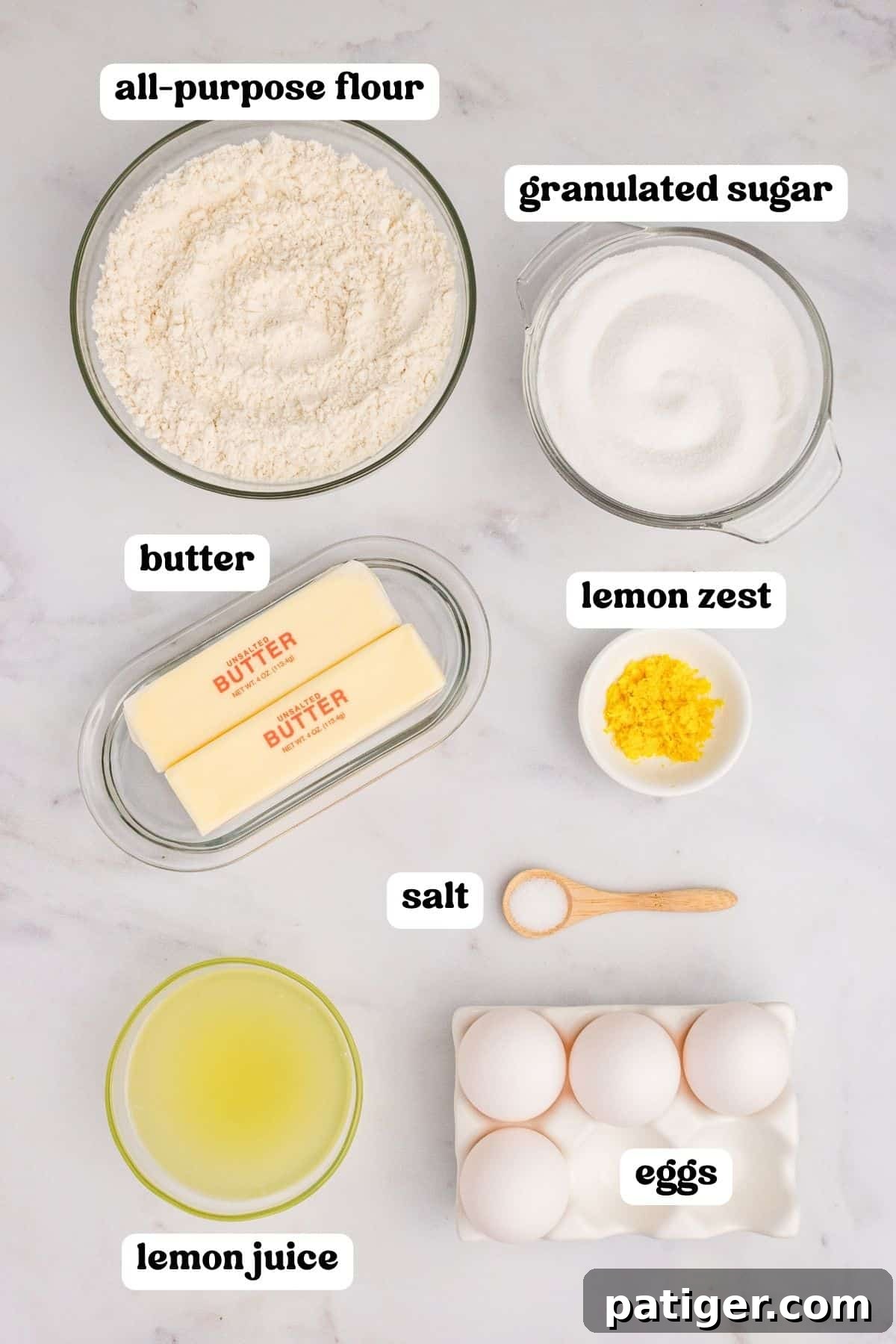
- **Unsalted Butter:** For the rich, tender shortbread crust, unsalted butter is always preferred. This allows you to precisely control the overall salt content in the recipe, ensuring a balanced flavor profile. If salted butter is all you have on hand, you can certainly use it, but remember to omit any additional salt specified for the crust mixture. It’s crucial that your butter is at room temperature for easy creaming and to achieve a uniform, tender dough that presses beautifully into the pan.
- **All-Purpose Flour:** This versatile flour serves a dual purpose in this recipe. It forms the structural backbone of your buttery shortbread cookie crust, giving it that classic crumbly texture. Additionally, it helps to thicken and stabilize the luscious lemon curd filling, contributing to its smooth and creamy consistency. Sifting the flour, especially for the filling, can help prevent lumps and ensure a silky-smooth result.
- **Granulated Sugar:** Regular white granulated sugar is used to provide sweetness to both the crust and, more importantly, to balance the intense tartness of the lemon juice in the filling. It’s essential for creating that signature sweet-and-sour profile that makes lemon bars so irresistible.
- **Salt:** A small but mighty pinch of salt enhances the flavors of both the crust and the filling. It cuts through the richness of the butter and the brightness of the lemon, creating a more complex and well-rounded taste that elevates the entire dessert.
- **Large Eggs & Extra Large Egg Yolk:** The eggs are crucial components of the lemon filling, providing essential structure, richness, and helping to emulsify the ingredients for a smooth curd. The additional large egg yolk is the true secret to achieving an extra smooth, incredibly creamy, and wonderfully custardy lemon curd. This extra yolk prevents the filling from becoming too gelatinous or rubbery, ensuring a luxurious mouthfeel. For best results and easier incorporation, ensure your eggs are at room temperature.
- **Fresh Lemons (Juice and Zest):** The star of the show, fresh lemons are paramount for an authentic, vibrant lemon flavor that simply cannot be replicated with bottled lemon juice. The freshly squeezed juice provides the necessary tartness, while the lemon zest, packed with fragrant essential oils, amplifies the citrus aroma and deepens the overall flavor profile. While regular lemons are perfect for this recipe, Meyer lemons (which are typically sweeter and less acidic) can be used for a milder flavor if you prefer, though this will slightly alter the classic tartness. For a fun twist, consider experimenting with other fresh citrus fruits like oranges, limes, or even grapefruits for a unique dessert experience!
- **Confectioners’ Sugar (Powdered Sugar):** This finely milled sugar is reserved for dusting generously over the cooled lemon bars just before serving. It adds a beautiful, snowy finish and a touch of extra sweetness that perfectly complements the tart lemon filling, making the bars visually appealing and even more delicious.
Step-by-Step Guide: How to Make Lemon Bars with Shortbread Cookie Crust
Creating these delightful lemon bars is a straightforward and rewarding process, divided into a few simple steps. Follow these instructions carefully to ensure perfectly baked, wonderfully tart, and utterly delicious lemon squares that everyone will rave about.
1. Prepare and Bake the Buttery Shortbread Crust
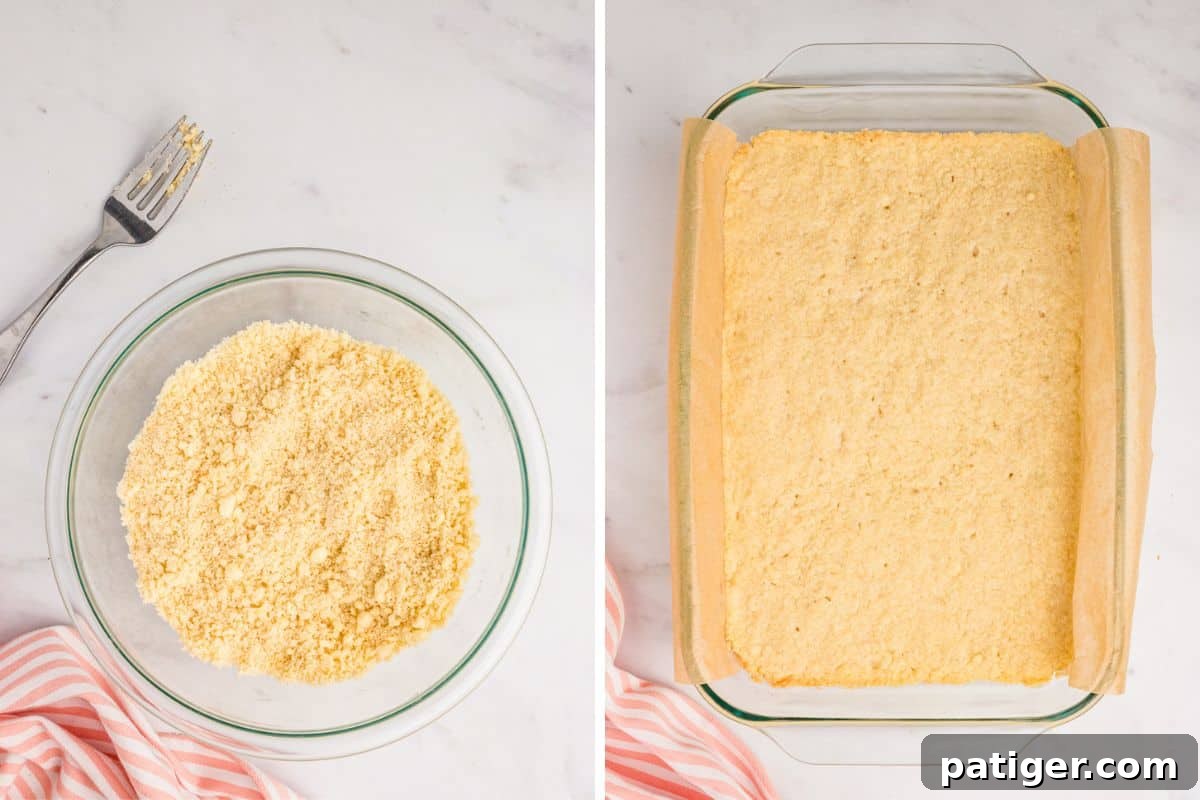
Begin by preheating your oven to 350°F (175°C). Line a 9×13-inch baking dish with parchment paper, allowing the edges to overhang slightly. This simple trick makes for incredibly easy removal and clean slicing later. In a medium mixing bowl, combine your room-temperature unsalted butter, all-purpose flour, granulated sugar, and salt. Mix these ingredients thoroughly, either with a stand mixer, a hand mixer, or by hand, until the mixture comes together and resembles coarse, wet sand. This buttery dough will be the sturdy and flavorful foundation of your lemon bars. Press this dough firmly and evenly into the bottom of your prepared baking dish. Ensure it’s compact and smooth for a uniform and sturdy crust. Bake for 16-20 minutes, or until the edges are lightly golden brown and the crust is fragrant throughout your kitchen. Be careful not to overbake, as it will continue to cook slightly when the filling is added.
2. Create the Zesty Lemon Curd Filling
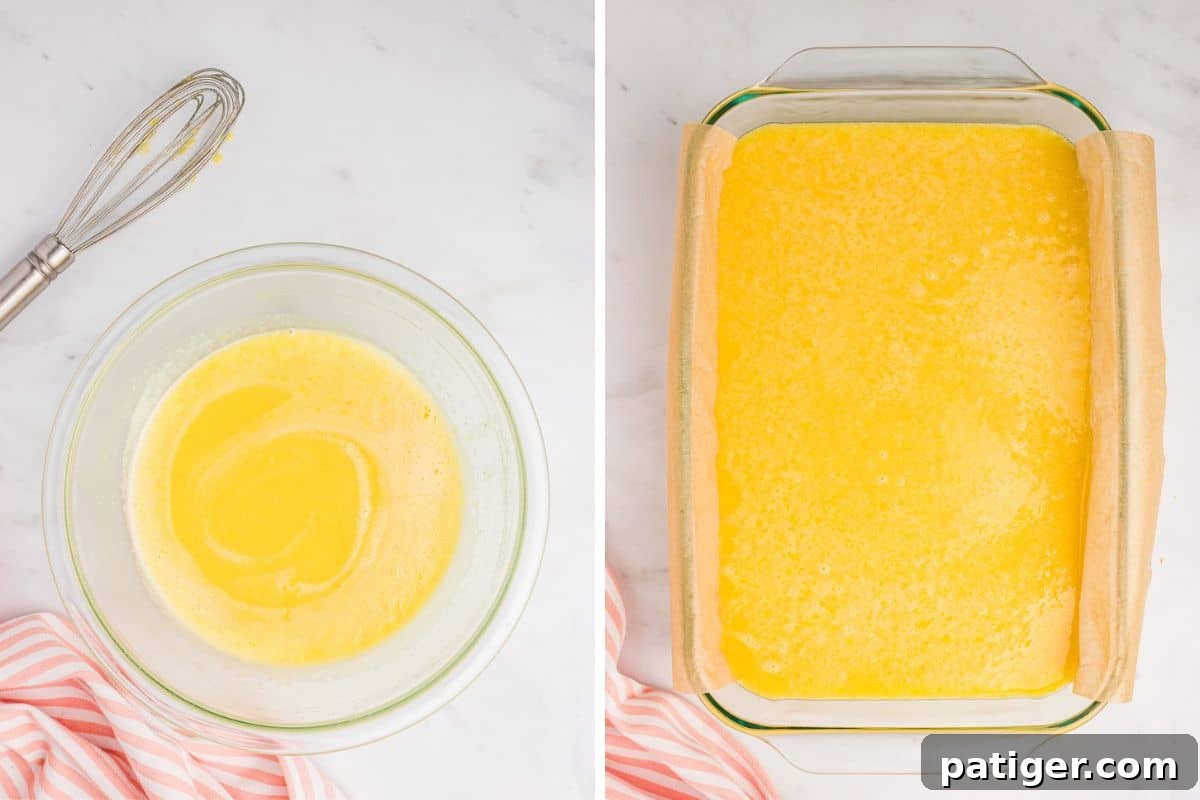
While your shortbread crust is baking or cooling slightly, turn your attention to preparing the vibrant and luscious lemon filling. In a large mixing bowl, whisk together the large eggs, the extra large egg yolk, granulated sugar, all-purpose flour, freshly squeezed lemon juice, and aromatic lemon zest. Continue whisking until the mixture is completely smooth and well combined, ensuring there are no visible flour lumps. The mixture should be bright yellow and wonderfully fragrant with lemon. Carefully pour this prepared lemon filling evenly over the warm, pre-baked shortbread crust in the baking dish. The residual warmth of the crust will help the filling begin to set beautifully and evenly.
3. Bake to Perfection
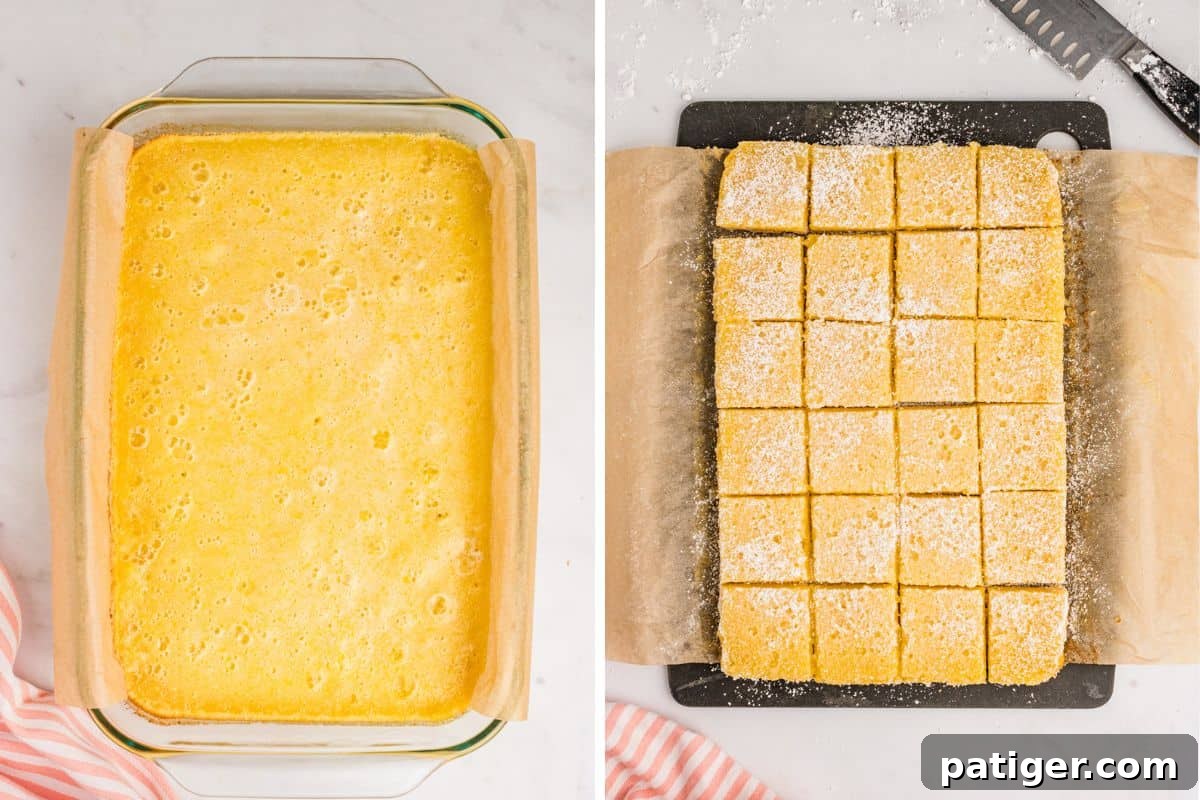
Once the lemon filling has been poured over the crust, return the baking dish to the preheated oven. Bake for an additional 20 minutes, or until the center of the lemon filling is just set. It should look firm around the edges but might still have a slight, gentle jiggle in the very center, which indicates it’s perfectly cooked and will continue to firm up as it cools. Avoid the temptation to overbake, as this can lead to a less desirable rubbery or overly firm texture for your creamy lemon curd.
4. Cool, Chill, Slice, and Serve
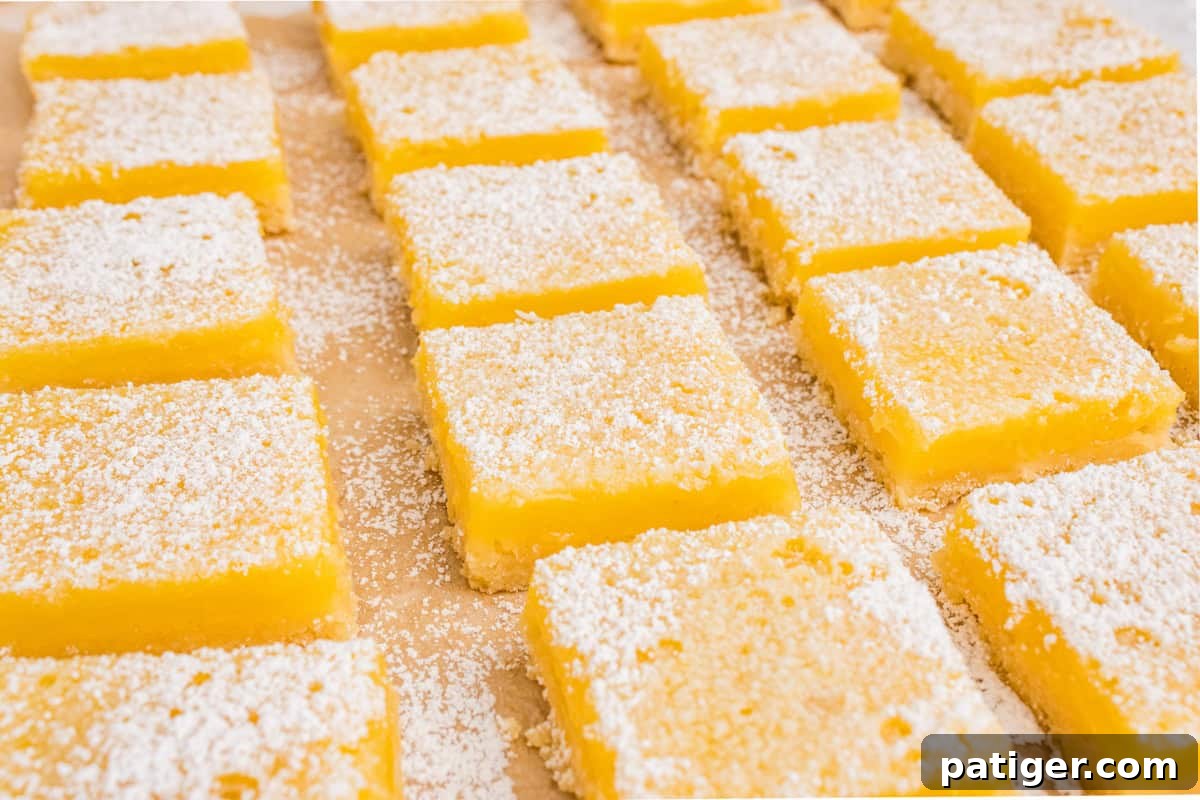
After baking, carefully remove the lemon bars from the oven and place the baking dish on a wire rack. Allow the baked bars to cool completely at room temperature for 1-2 hours. This gradual cooling is essential for the lemon filling to properly set and achieve its perfect consistency. Once they have reached room temperature, cover the dish with plastic wrap and transfer it to the refrigerator to chill for another 1-2 hours, or until they are thoroughly cold throughout. Chilling is crucial for ensuring clean, crisp slices and the best possible texture. Once chilled, gently lift the parchment paper to remove the entire block of lemon bars from the dish. Place them on a cutting board, dust generously with confectioners’ sugar using a fine-mesh sieve, and then use a sharp knife (wiping it clean between each cut for the neatest edges) to slice them into beautiful squares. Serve and enjoy this refreshing, tangy treat!
Common Questions and Expert Tips for Lemon Bar Perfection
Why are my lemon bars bubbling on top?
It’s quite normal to observe some small air bubbles on the surface of your baked lemon bars. This is simply a natural occurrence during the baking process, caused by air expanding within the filling, and it typically doesn’t affect the taste or overall texture of the bars. The good news is that these minor imperfections can be easily and beautifully concealed with a generous dusting of confectioners’ sugar just before serving, leaving you with a perfectly pristine and appealing finish.
My shortbread crust turned out tough, what went wrong?
A tough or overly hard shortbread crust often happens when the dough is overworked. Overmixing can develop too much gluten in the flour, which leads to a dense, chewy texture rather than the desired tender, crumbly shortbread. Ensure you mix the shortbread ingredients just until they come together, stopping as soon as a cohesive dough forms. Additionally, make sure your butter is at room temperature; cold butter is harder to incorporate without overmixing. Overbaking the crust can also contribute to a drier, tougher texture, so keep a close eye on it during its initial bake.
Why is my lemon filling runny?
Several factors can lead to a runny lemon filling. Firstly, accurate measurement of the all-purpose flour is crucial, as it acts as a primary thickener for the curd. Make sure to spoon and level your flour rather than scooping directly from the bag, which can compact the flour and result in using too much. Secondly, ensure your oven temperature is correct; an oven thermometer can be a valuable tool for verifying accuracy. Lastly, the filling needs adequate baking time to set and, crucially, sufficient cooling and chilling time. The lemon curd will continue to firm up considerably as it cools in the refrigerator. Patience is truly a virtue here – don’t rush the chilling process!
Can I use bottled lemon juice for these lemon bars?
While technically possible to use bottled lemon juice, for the absolute best and most vibrant flavor, we strongly recommend using *freshly squeezed lemon juice*. Bottled lemon juice often contains preservatives and lacks the bright, nuanced flavor and vibrant acidity that fresh lemons provide. The zest from fresh lemons also contributes significantly to the overall aroma and depth of taste, which you simply won’t get from bottled juice. Fresh is always best for lemon desserts!
Storage and Freezing Instructions
Proper storage is key to ensuring your delicious lemon bars remain fresh, flavorful, and at their best for as long as possible. Whether you plan to enjoy them within a week or save some for later, here’s how to store them effectively.
Refrigeration
Store any leftover lemon bars in an airtight container in the refrigerator for up to 1 week. For best results and to prevent the bars from sticking together or losing their beautiful dusted appearance, it’s a good idea to place a layer of parchment paper between stacked bars. Before serving again, you can refresh them with an additional light dusting of confectioners’ sugar, if desired, as some of the original dusting may absorb into the filling over time.
Freezing
Lemon bars are also wonderfully freezer-friendly and can be kept frozen for up to 3 months, making them a perfect make-ahead dessert. To freeze, first allow the fully cooled bars to set on a baking sheet in the freezer for about 2 hours, or until they are firm. This initial freeze prevents them from sticking together and helps them hold their shape. Then, remove them from the freezer, wrap each individual bar tightly in plastic wrap, and place them in a freezer-safe bag or airtight container. For the best presentation, it’s advisable to freeze the bars without any dusting of powdered sugar. When you’re ready to enjoy them, thaw the frozen bars overnight in the refrigerator and then dust generously with confectioners’ sugar just before serving for a fresh look and taste.
Expert Tips for Making the Best Lemon Bars Ever
Achieving perfectly balanced and delightfully textured lemon bars is easier than you think with these expert tips:
- **Always Use Fresh Lemon Juice:** This tip cannot be stressed enough! Using freshly squeezed lemon juice is non-negotiable for achieving a superior, vibrant, and authentic lemon flavor. Bottled juice simply won’t yield the same bright, zesty taste.
- **Zest Before Juicing:** It’s much, much easier to zest a whole lemon than a juiced one. When zesting, aim for only the bright yellow rind and meticulously avoid the white pith directly underneath, as it can impart a distinctly bitter taste to your filling.
- **Boost Lemon Flavor (If You Dare!):** For those who truly adore an extra-tart kick and intense lemon experience, consider subtly increasing the lemon juice in the filling to ⅔ cup instead of ½ cup. Always taste your filling mixture before baking and adjust the sweetness if needed by adding a tiny bit more sugar for your perfect sweet-tart balance.
- **Choose the Right Baking Pan:** Opt for a glass or ceramic baking pan over metal ones. Metal pans can sometimes react with acidic ingredients like lemon juice, potentially giving your delicate lemon bars a slight and undesirable metallic taste.
- **Room Temperature Ingredients are Key:** Ensure both your butter and eggs are at room temperature before you begin mixing. This allows the butter to cream more smoothly with the sugar for the crust and the eggs to emulsify better into the filling, resulting in a more uniform dough and a smoother, lump-free curd.
- **Don’t Rush the Cooling and Chilling:** Patience is truly a virtue when making lemon bars! Fully cooling the bars at room temperature and then thoroughly chilling them in the refrigerator allows the lemon filling to properly set and firm up. This crucial step not only ensures cleaner cuts but also develops a firmer, more enjoyable and custardy texture.
- **Clean Knife for Slicing:** For perfectly neat, professional-looking squares, use a sharp, clean knife. For the tidiest edges, wipe the blade clean with a damp cloth after each individual cut.
Explore More Delicious Dessert Bar Recipes
If you’ve fallen in love with these classic lemon bars and are eager to explore more delightful treat options to satisfy your sweet tooth, be sure to try these other fantastic dessert bar recipes. They’re all proven crowd-pleasers!
- Funfetti Cookie Bars
- Homemade Twix Bars
- Sugar Cookie Bars
- Raspberry Crumble Bars
- Harvest Spice Bars
- Unicorn Cheesecake Bars
- Oatmeal Lemon Creme Bars
- Peanut Butter and Jelly Bars
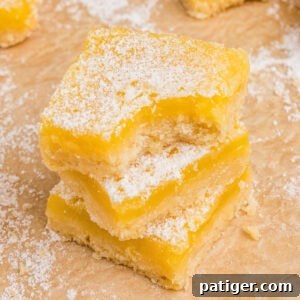
Lemon Bars with Shortbread Crust
Author: Jaclyn
Prep Time: 15 minutes
Cook Time: 40 minutes
Total Time: 55 minutes
The best lemon bars recipe with a perfectly sweet and tart lemon curd filling on top of a rich and buttery shortbread crust. Easy to make and utterly delicious!
Yields: 24 bars
Pin Recipe
Ingredients
For the Shortbread Crust:
- 1 cup unsalted butter, softened to room temperature
- 2 cups all-purpose flour
- ¼ cup granulated sugar
- ¼ teaspoon salt
For the Lemon Filling:
- 3 large eggs
- 1 large egg yolk
- 1 ½ cups granulated sugar
- ½ cup all-purpose flour
- ½ cup fresh lemon juice (from about 2-3 lemons)
- 1 teaspoon lemon zest (from about 1 large lemon)
- Confectioners’ sugar, for generous dusting
Instructions
- Preheat your oven to 350°F (175°C). Line a 9×13-inch baking dish with parchment paper, ensuring the paper overhangs the edges to create “handles” for easy removal.
- **For the Shortbread Crust:** In a medium mixing bowl, combine the room-temperature unsalted butter, 2 cups all-purpose flour, ¼ cup granulated sugar, and ¼ teaspoon salt. Mix until the ingredients are thoroughly combined and the mixture resembles wet sand. Press this dough firmly and evenly into the bottom of the prepared baking dish. Bake for 16-20 minutes, or until the edges are lightly golden brown. Remove from oven.
- **For the Lemon Filling:** While the crust is baking or slightly cooling, prepare the filling. In a large bowl, whisk together the 3 large eggs, 1 large egg yolk, 1 ½ cups granulated sugar, ½ cup all-purpose flour, ½ cup fresh lemon juice, and 1 teaspoon lemon zest. Whisk until the mixture is completely smooth and no lumps remain.
- Carefully pour the prepared lemon filling evenly over the warm, pre-baked shortbread crust in the baking dish.
- Return the dish to the preheated oven and bake for an additional 20 minutes, or until the center of the lemon filling is just set. It should appear firm but may still have a slight jiggle in the very center.
- Remove the bars from the oven and place the baking dish on a wire rack to cool completely at room temperature for 1-2 hours. This step is essential for the filling to set properly.
- Once cooled to room temperature, cover the dish with plastic wrap and transfer it to the refrigerator to chill for another 1-2 hours, or until the bars are thoroughly cold. Chilling is crucial for clean cuts and the best texture.
- When ready to serve, gently lift the parchment paper to remove the entire block of lemon bars from the dish. Place them on a cutting board, dust generously with confectioners’ sugar using a fine-mesh sieve, and then use a sharp knife (wiping it clean after each cut for the neatest edges) to slice them into squares. Enjoy!
Recipe Notes:
- Always use fresh lemon juice and zest for the most authentic and vibrant lemon flavor.
- For optimal results, bake your lemon bars in a glass or ceramic pan. Metal pans can sometimes react with the acidic lemon filling, potentially imparting a metallic taste.
- Store any leftover lemon bars in an airtight container in the refrigerator for up to 1 week. If stacking, place parchment paper between layers to prevent sticking.
- These lemon bars freeze beautifully for up to 3 months. After they are fully cooled, wrap individual bars tightly in plastic wrap, then store them in a freezer-safe bag or container. Thaw overnight in the refrigerator and dust with fresh powdered sugar before serving.
Nutrition Information (per bar, approx.):
Calories: 183kcal | Carbohydrates: 25g | Protein: 2g | Fat: 9g | Saturated Fat: 5g | Polyunsaturated Fat: 0.5g | Monounsaturated Fat: 2g | Trans Fat: 0.3g | Cholesterol: 49mg | Sodium: 34mg | Potassium: 30mg | Fiber: 0.4g | Sugar: 15g | Vitamin A: 277IU | Vitamin C: 2mg | Calcium: 9mg | Iron: 1mg

Did You Make This Delicious Recipe?
We’d love to see your culinary creations! Share your delicious lemon bars with us on Instagram by tagging @crayonsandcravings. Don’t forget to follow us on Pinterest @crayonsandcravings for even more delectable recipe inspiration and baking tips!
Pin This Recipe