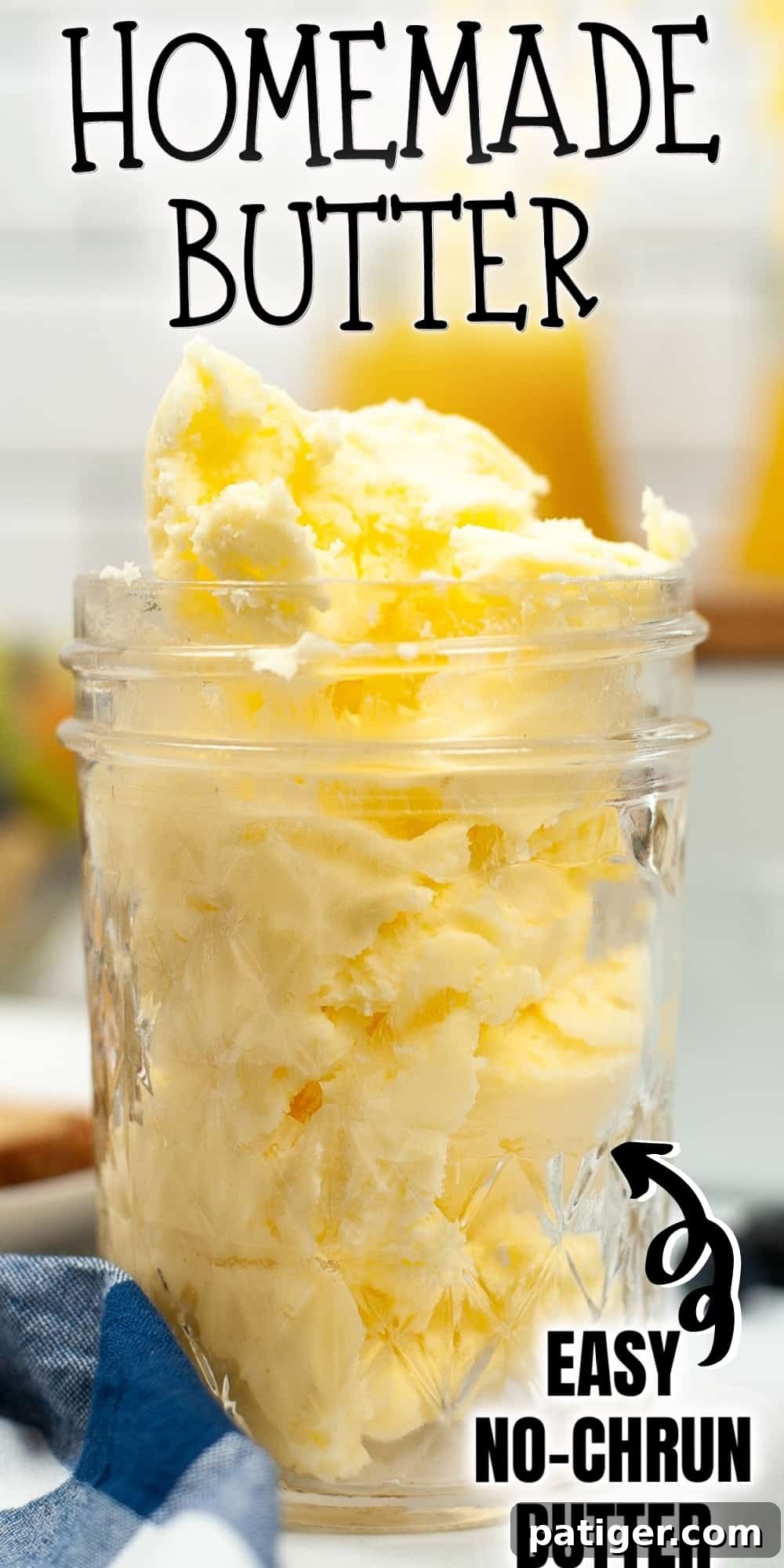
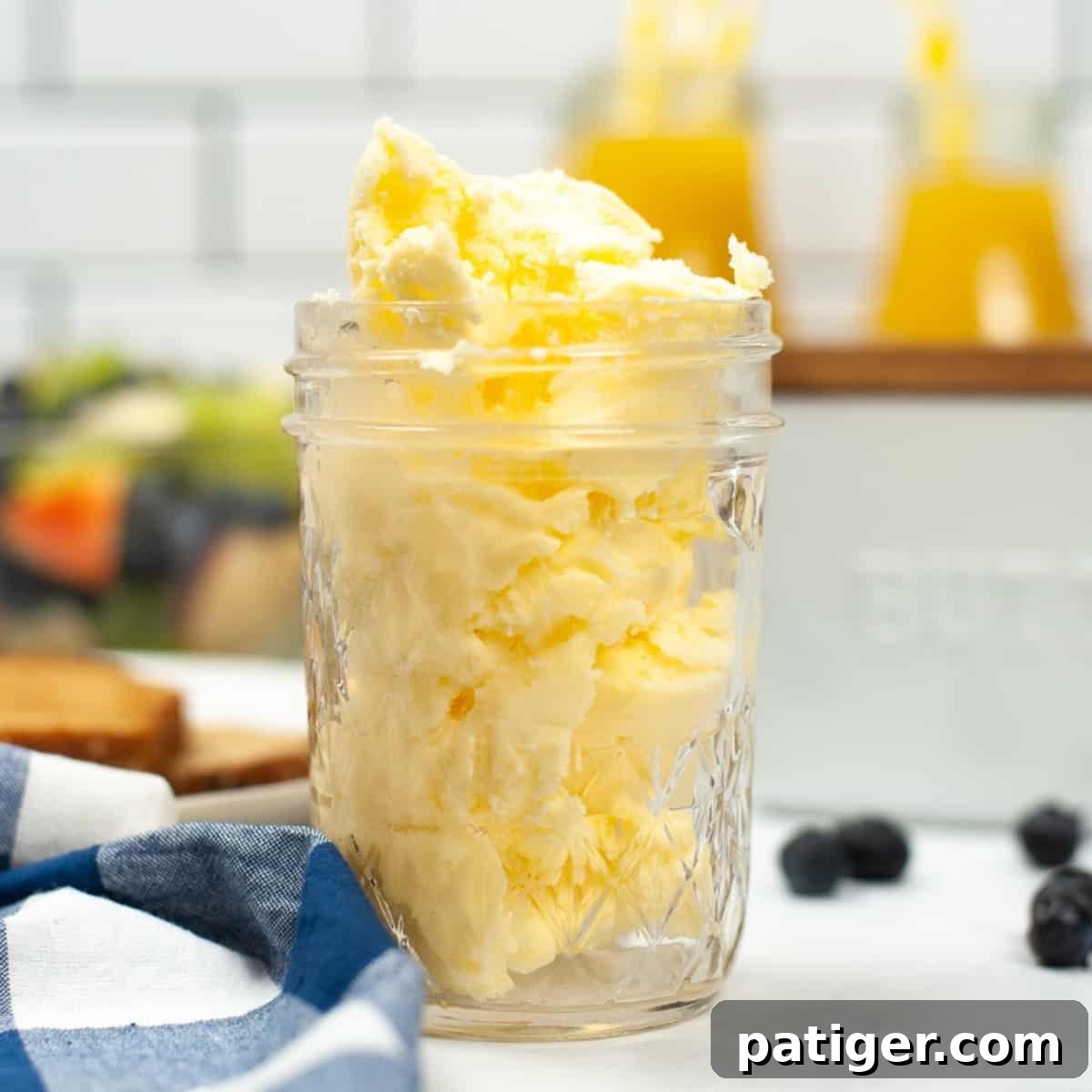
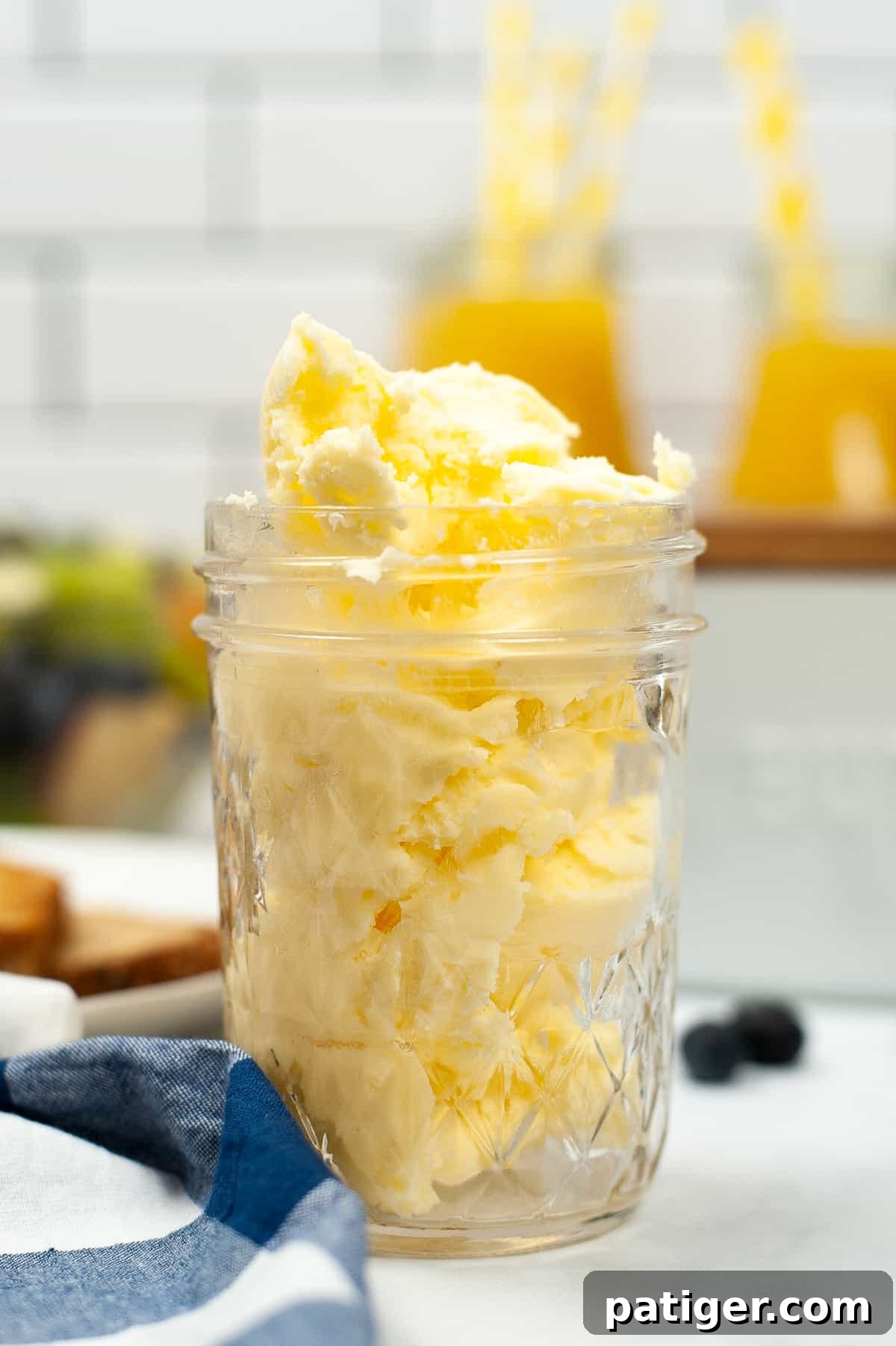
Discover the simple joy of making your own fresh, creamy butter right at home. Forget the notion that butter-making is a laborious task reserved for a bygone era with old-fashioned churns. In reality, crafting homemade butter from heavy cream is surprisingly straightforward, requiring minimal equipment and effort. This guide will walk you through the process, whether you prefer the convenience of a stand mixer, the versatility of a hand mixer, or even the hands-on fun of a mason jar.
Once you experience the rich flavor and superior texture of freshly made butter, you might find yourself saying goodbye to store-bought options forever. It’s a culinary adventure that promises delicious rewards and a deeper connection to your food.
Why Make Your Own Butter?
Beyond the simple satisfaction of creating something from scratch, homemade butter offers several compelling advantages:
- Unbeatable Flavor and Freshness: There’s a distinct, rich taste to homemade butter that store-bought varieties often lack. Made with fresh cream, it offers a pure, delicate flavor profile that enhances any dish.
- Control Over Ingredients: When you make butter at home, you control exactly what goes into it. No artificial flavors, preservatives, or unwanted additives—just pure cream and optional salt.
- Cost-Effective: Buying heavy cream in bulk can sometimes be more economical than purchasing high-quality butter, especially if you catch sales. Plus, you get delicious buttermilk as a valuable byproduct!
- Customization: Adjust the salt content to your preference, or experiment with adding herbs, spices, or sweet flavors to create gourmet flavored butters unique to your kitchen.
- A Rewarding Experience: The transformation of liquid cream into solid butter is a fascinating process, perfect for engaging children in a fun, educational kitchen activity.
Methods for Making Homemade Butter
Making butter at home is surprisingly versatile. Depending on the tools you have available and your desired level of effort, you can choose from a few effective methods:
1. The Stand Mixer Method (Easiest & Most Efficient)
This method leverages the power of a stand mixer with a whisk attachment to do most of the work. It’s ideal for making larger batches and requires minimal physical effort, making it perfect for those seeking convenience and speed.
2. The Hand Mixer Method (Accessible & Effective)
If you don’t own a stand mixer, a hand mixer works just as well. You’ll need a large mixing bowl and a bit more attention, but the process is fundamentally the same as with a stand mixer, yielding excellent results.
3. The Mason Jar Method (Fun & Engaging)
For a hands-on experience or a delightful activity with kids, the mason jar method is perfect. It involves vigorously shaking heavy cream in a sealed jar until it transforms into butter. While it requires more arm strength and time (approximately 10-20 minutes of continuous shaking), it’s incredibly satisfying and requires no special equipment beyond a jar.
Essential Ingredients for Homemade Butter
Regardless of the method you choose, the core ingredients for making butter are beautifully simple:
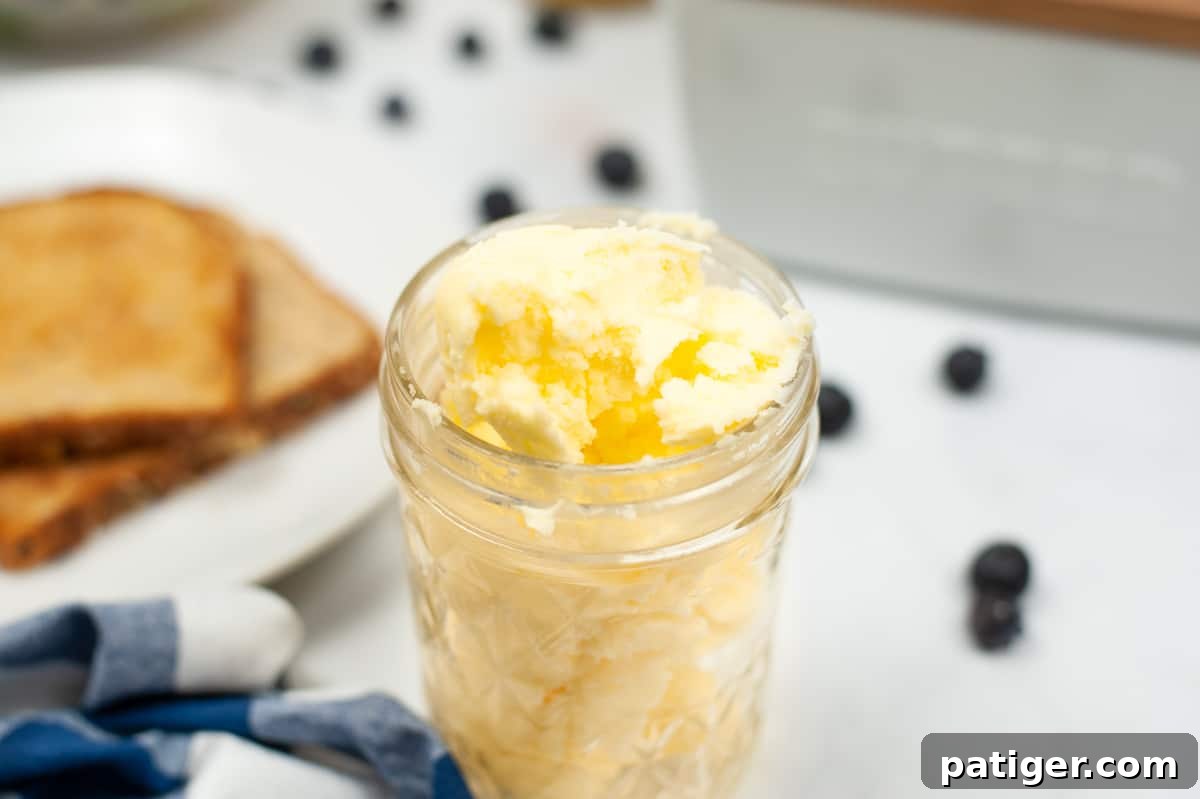
- 2 cups Heavy Cream: The star of our show! For best results, use high-quality heavy cream with a fat content of at least 36%. Organic or local farm cream can offer even richer flavor. Ensure your cream is very cold before starting, as this aids in the churning process.
- ¼ – 1 tsp Salt (optional): For delicious salted butter. Fine-grain salt like sea salt or kosher salt works well. Adjust the amount to your personal preference. Unsalted butter is also an excellent choice, especially if you plan to use it in baking where salt content needs to be precisely controlled.
- Ice-Cold Water (for washing): Crucial for rinsing the butter and ensuring a longer shelf life.
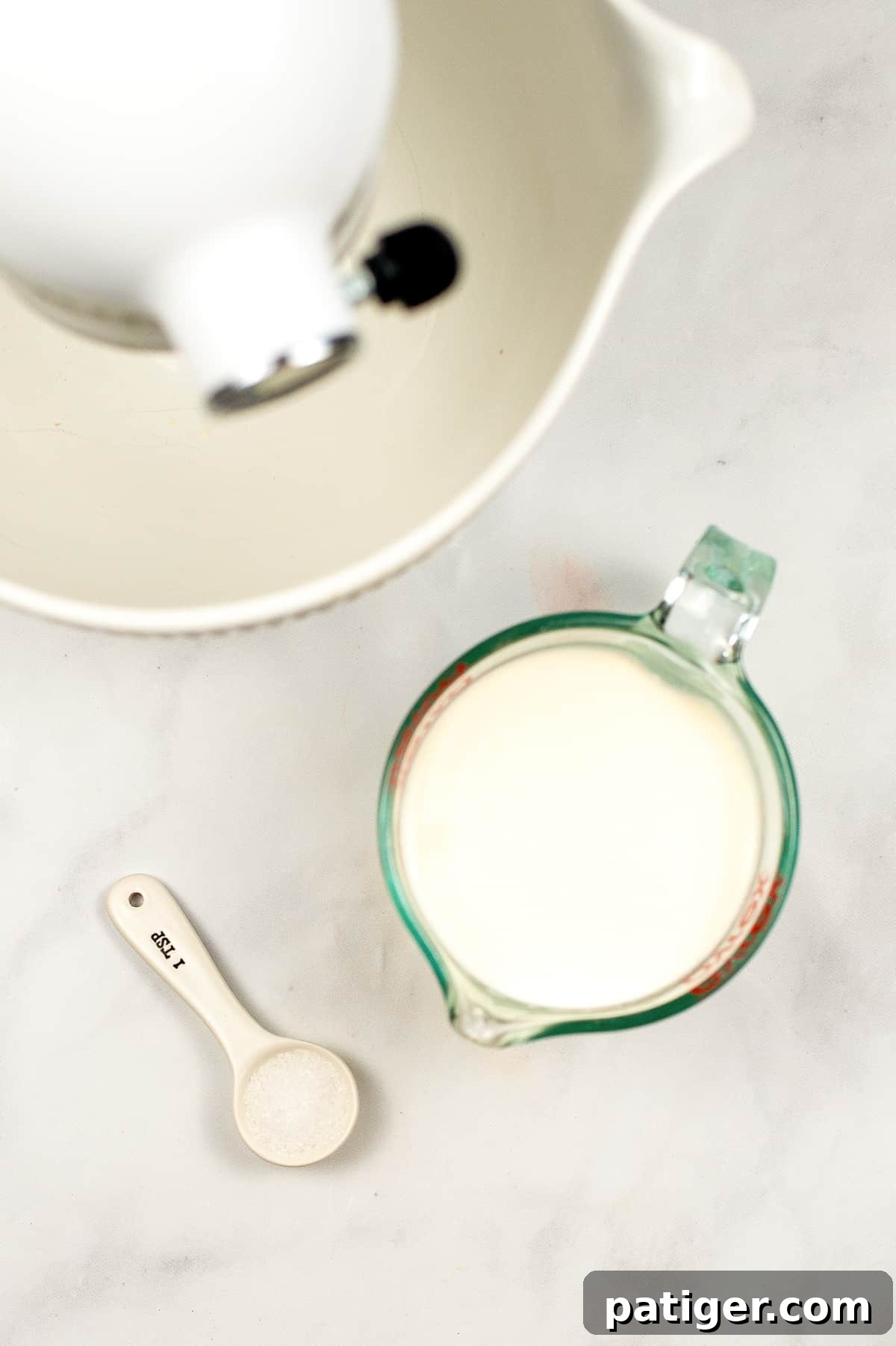
Step-by-Step Instructions for Making Butter
Let’s dive into the detailed steps for transforming cream into golden butter. We’ll start with the mixer method, which is generally quicker and less strenuous, followed by the fun mason jar approach.
Method 1: Using a Stand Mixer or Hand Mixer
This is my preferred method due to its efficiency and ease. It’s perfect for anyone wanting fresh butter with minimal fuss.
Step 1: Prepare to Churn the Cream
Pour the chilled heavy cream into the bowl of your stand mixer fitted with the whisk attachment. If using a hand mixer, use a large mixing bowl to contain potential splatters. Begin mixing on low speed, gradually increasing the speed as the cream begins to thicken. It’s important to start slow to avoid a messy kitchen.
Pro Tip: Prevent Splatter! As the cream progresses from liquid to whipped cream and then separates, it can get quite messy. I highly recommend placing a kitchen towel over the mixer bowl, or using a specialized splash guard if you have one, before increasing to medium-high speed. This simple step will save you from a significant cleanup.
Step 2: Watch the Transformation
Continue mixing at medium-high speed. You’ll observe a fascinating transformation:
- Whipped Cream Stage: After a few minutes, the cream will thicken into beautiful, fluffy whipped cream. Don’t stop here!
- Grainy Stage: Keep mixing, and the whipped cream will start to look grainy and clumpy. This is a sign that the milk fat is beginning to solidify and separate.
- Separation: Suddenly, the butterfat will visibly separate from the buttermilk. The solid butter will cling to the whisk attachment, and the liquid buttermilk will pool at the bottom of the bowl. This usually takes about 5-10 minutes from the start, depending on your mixer and cream.
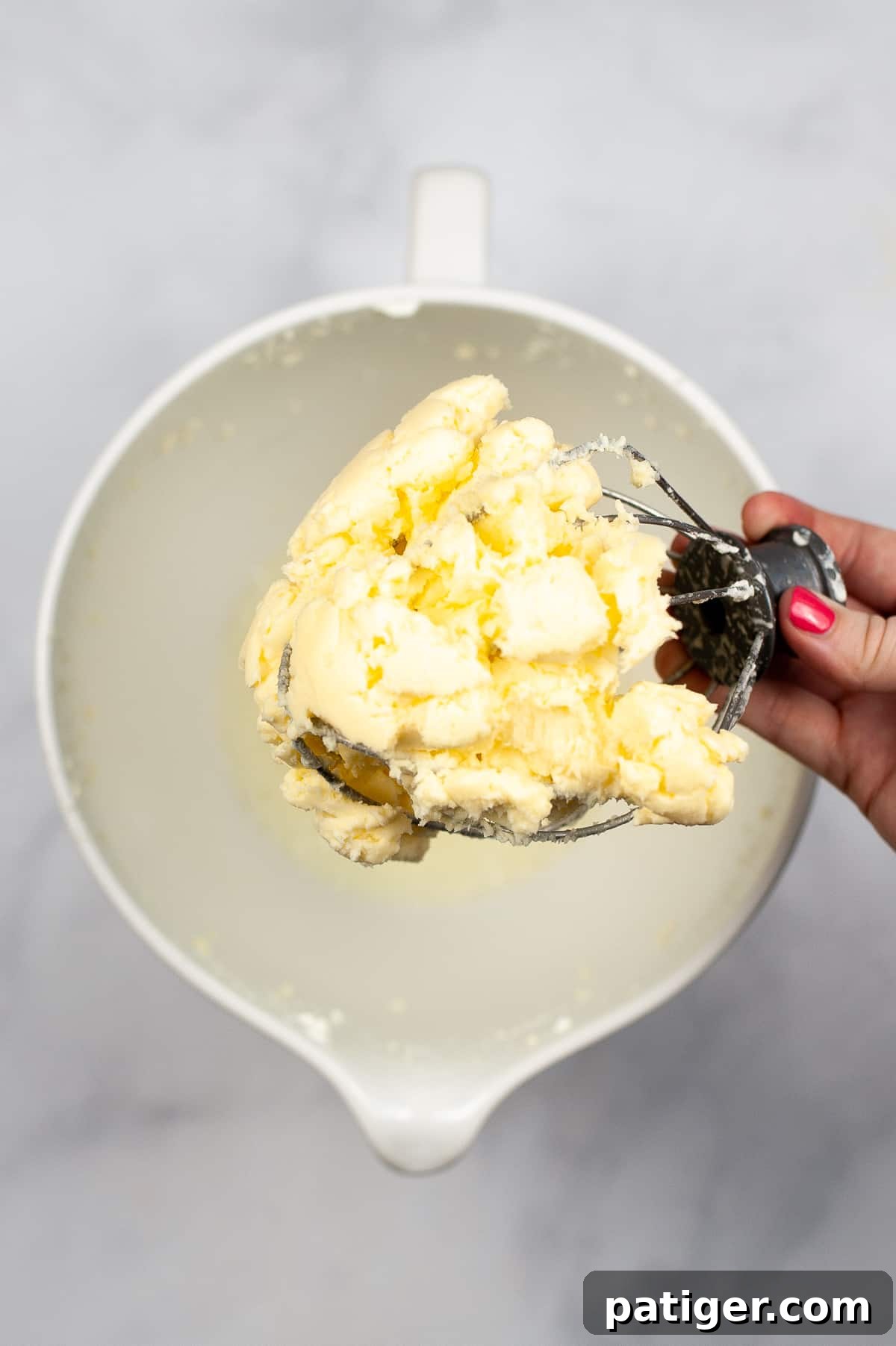
Step 3: Strain the Buttermilk
Once the butter and buttermilk have clearly separated, pour the contents of the mixer bowl through a fine-mesh sieve or a cheesecloth-lined colander set over another bowl. This will allow the buttermilk to drain away from the solid butter. Don’t discard the buttermilk! It’s a fantastic ingredient for baking, adding moisture and tang to recipes like homemade buttermilk biscuits, pancakes, or fried chicken. Store it in an airtight container in the refrigerator for up to a week.
Step 4: Wash the Butter Thoroughly
This is a critical step for both the flavor and shelf life of your homemade butter. Residual buttermilk can cause the butter to spoil quickly and develop an off-flavor. Transfer the solid butter to a clean bowl and add about ½ cup of ice-cold water. Using a clean spatula or your (clean) hands, press and squeeze the butter repeatedly against the sides of the bowl. You’ll see the water turn cloudy as it extracts more buttermilk.
Drain the cloudy water and repeat the process with fresh ice-cold water. Continue rinsing and squeezing, typically for 3-5 changes of water, until the water remains clear after squeezing. This indicates that most of the buttermilk has been removed.
For a final moisture removal, gather the butter in a clean cheesecloth or a lint-free kitchen towel and squeeze out any remaining liquid. The goal is firm, dry butter.
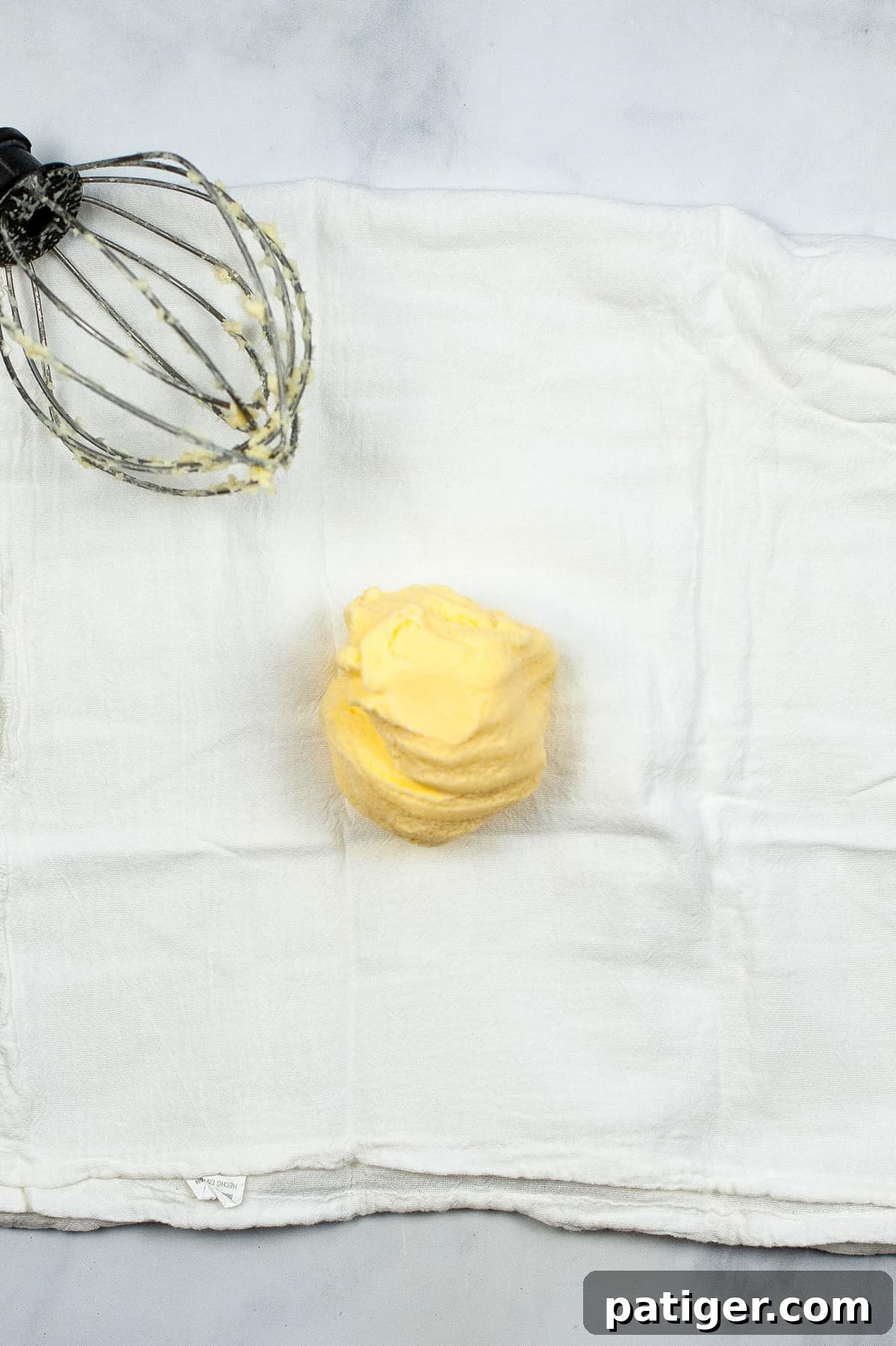
Step 5: Season (Optional) and Enjoy
If you prefer salted butter, now is the time to add it. Transfer the washed butter to a clean bowl and sprinkle in ¼ teaspoon of salt. Using your spatula or hands, knead the salt thoroughly into the butter until it’s evenly distributed. Taste a small amount and add more salt if desired, kneading it in well. Remember, you can always add more salt, but you can’t take it away!
Your fresh homemade butter is now ready to be enjoyed! Spread it generously on warm, crusty bread, fluffy 7-up biscuits, rich heavy cream biscuits, delicate strawberry scones, or traditional Irish soda bread with raisins. The taste is truly unparalleled.
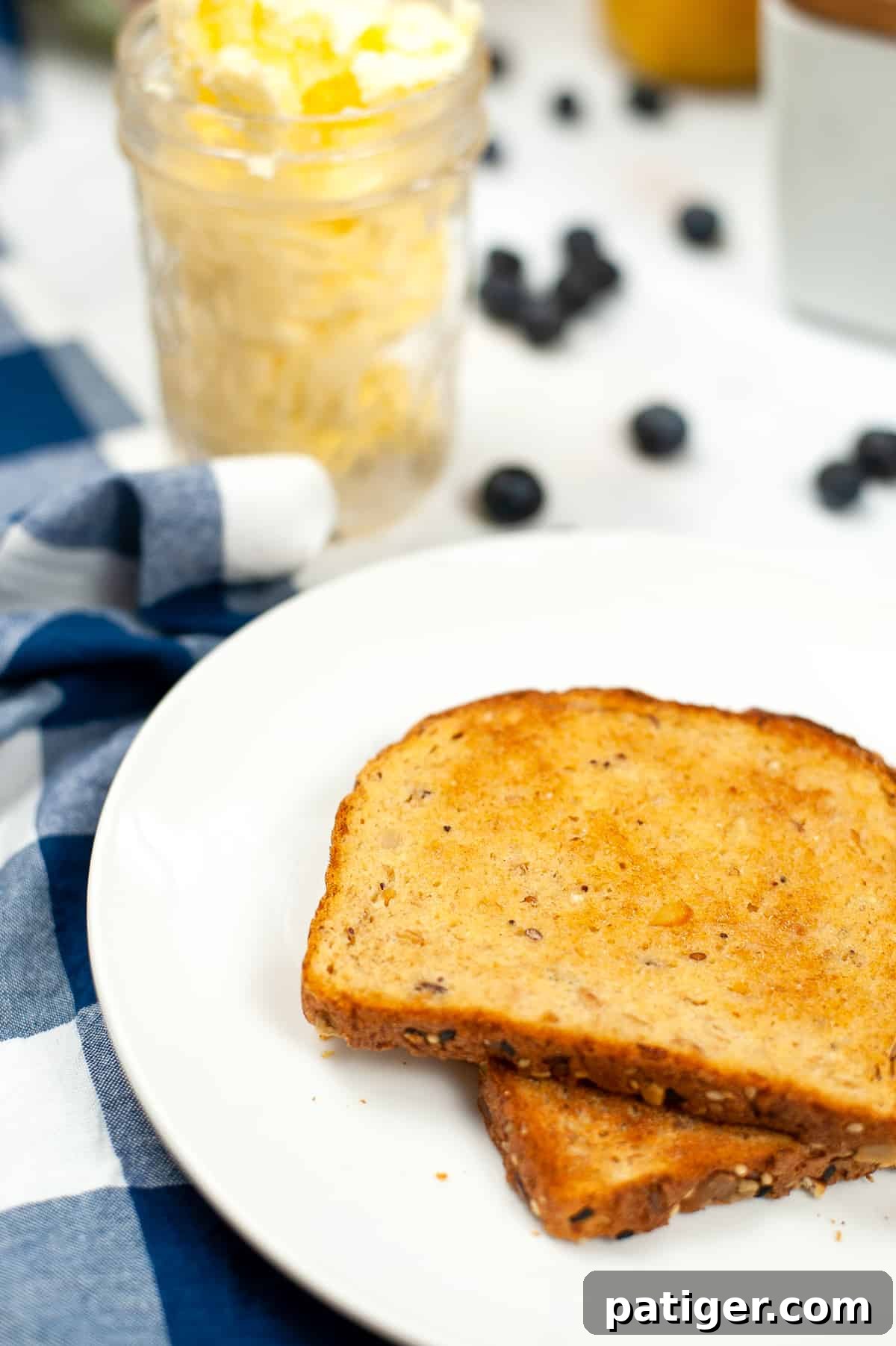
Method 2: Making Butter in a Mason Jar
This method is fantastic for small batches, teaching kids about food science, or simply for a bit of nostalgic fun.
Step 1: Prepare Your Jar and Cream
Select a clean, sturdy mason jar (pint or quart size works well). Fill the jar about halfway with heavy cream. Ensure the cream is cold, as this helps the butter form more quickly. Tightly secure the lid. Leaving ample headspace allows the cream to slosh and churn effectively.
Step 2: Shake, Shake, Shake!
Now for the workout! Begin shaking the jar vigorously. You’ll need consistent, energetic shaking. The cream will go through several stages, similar to the mixer method:
- Liquid: Initially, it’s just cream sloshing around.
- Whipped Cream: After about 5-8 minutes, the cream will thicken into a whipped cream consistency. Keep shaking!
- Sloshing Liquid (Separation): This is the crucial stage. The whipped cream will suddenly break down, and you’ll hear a liquid sloshing around a solid mass. This means the butterfat has separated from the buttermilk. Continue shaking for another minute or two to ensure the butter coalesces into a firm ball.
This entire process can take anywhere from 10 to 20 minutes of continuous shaking, so be prepared for a good arm workout! Consider it a delicious form of exercise.
Step 3: Wash, Salt, and Store
Once the butter has formed a solid mass and separated from the buttermilk, follow the same detailed steps as in the mixer method:
- Strain: Pour the contents through a fine-mesh sieve or cheesecloth to separate the butter from the buttermilk.
- Wash: Transfer the butter to a bowl, add ice-cold water, and squeeze/press to remove all remaining buttermilk. Repeat until the water runs clear.
- Salt (Optional): Knead in salt to taste for salted butter.
- Store: Prepare your butter for storage as described below.
For those looking to speed up the mason jar method, some innovative tools exist, such as specialized butter churn devices designed for jars, which claim to make butter in just a few minutes.
Storage and Shelf Life of Homemade Butter
Proper storage is key to enjoying your homemade butter for as long as possible.
- Refrigerator Storage: Store your fresh butter in an airtight container or wrapped tightly in parchment or wax paper in the refrigerator. It will typically last at least one week, and often up to two weeks, especially if thoroughly washed. The better the buttermilk is removed, the longer it will last.
- Shaping Butter: For a professional touch and easier portioning, you can press your butter into a silicone butter mold before refrigerating.
- Freezing for Longer Storage: Homemade butter freezes beautifully for extended storage. Wrap individual sticks or portions tightly in wax paper, then place them in a freezer-safe bag or container. It can be frozen for up to 6 months. To use, simply thaw overnight in the refrigerator.
Don’t Forget the Buttermilk!
As a wonderful byproduct, you’ll have fresh buttermilk on hand. Store it in an airtight container in the refrigerator and use it within a week. It’s excellent in a variety of recipes:
- Fluffy buttermilk pancakes
- Moist coffee cake muffins
- Rich maple walnut coffee cake
- As a tenderizer for fried chicken or marinades
Homemade Butter: Frequently Asked Questions
Homemade butter, when properly washed and stored in an airtight container in the refrigerator, will typically last for at least a week, and sometimes up to two weeks. The exact duration depends heavily on how thoroughly the buttermilk was removed during the washing process and the freshness of your initial cream. Any residual buttermilk will shorten its shelf life.
Absolutely! Freezing homemade butter is an excellent way to preserve it for long-term use. To freeze, wrap your butter tightly in wax paper or plastic wrap, then place it in a freezer-safe bag or airtight container. It can be stored in the freezer for up to 6 months. When you’re ready to use it, simply thaw it in the refrigerator overnight.
From 2 cups of heavy cream, you can expect to yield approximately ½ cup (which is equivalent to one standard stick or 8 tablespoons) to 1 cup (two sticks or 16 tablespoons) of homemade butter. The precise yield can vary slightly depending on the fat content of your cream and how effectively you wash the butter. As a delightful bonus, you will also get about 1 cup of fresh buttermilk from the process.
For the best results, use heavy cream (also known as heavy whipping cream) with a fat content of at least 36%. Organic, grass-fed cream often produces butter with a richer flavor and a more vibrant yellow color due to the cows’ diet. Avoid ultra-pasteurized cream if possible, as it can sometimes be harder to churn into butter due to its processing.
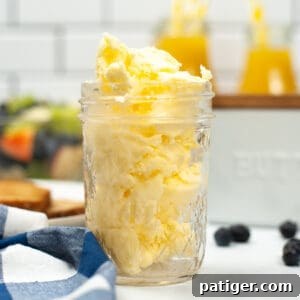
Homemade Butter
Author: Jaclyn
15 minutes
15 minutes
Approx. 1/2 to 1 cup butter, plus 1 cup buttermilk
Ingredients
-
2 cups
heavy cream -
¼ teaspoon
salt, or to taste, optional -
2-3 cups
ice-cold water, for rinsing
Instructions
Using a Mixer
-
Pour heavy cream into the bowl of a stand mixer with the whisk attachment, or into a large mixing bowl if using a hand mixer. Turn the mixer on low speed, gradually increasing to medium-high as the cream thickens.
To prevent splattering, it is highly recommended to place a kitchen towel or splash guard over the mixer bowl once the speed increases.
Continue to mix until the butter has clearly separated from the buttermilk.
-
Using a fine mesh strainer or cheesecloth, strain the buttermilk into a separate bowl and reserve for other recipes if desired. Transfer the solid butter into a clean bowl and add about ½ cup of ice-cold water. Using a spatula or your clean hands, press and squeeze the butter repeatedly to extract any remaining buttermilk. Drain the cloudy water. Refill with fresh ice-cold water and repeat this washing process until the water remains completely clear after squeezing. This typically requires 3-5 changes of water. For a final step, squeeze the butter again in a cheesecloth or clean kitchen towel to remove any last traces of moisture.
-
If you wish to make salted butter, add salt to taste (starting with ¼ teaspoon) and thoroughly knead it into the butter until evenly distributed. Taste and adjust as needed.
-
Store your freshly made butter in an airtight container in the refrigerator, or wrapped in parchment or wax paper. The reserved buttermilk can also be stored in an airtight container in the refrigerator for use in baking or other recipes.
Using a Mason Jar
-
Fill a mason jar (pint or quart) about halfway with cold heavy cream. Secure the lid tightly. Vigorously shake the jar until the butter separates from the buttermilk and forms a solid mass. This process usually takes between 10-20 minutes of continuous shaking.
-
Once the butter has formed, follow the instructions from Method 1 (steps 3-5) to strain, thoroughly wash, optionally salt, and store your homemade butter.
Notes
Nutrition
Calories: 101kcal |
Carbohydrates: 1g |
Protein: 1g |
Fat: 11g |
Saturated Fat: 7g |
Polyunsaturated Fat: 0.5g |
Monounsaturated Fat: 3g |
Cholesterol: 34mg |
Sodium: 44mg |
Potassium: 28mg |
Sugar: 1g |
Vitamin A: 437IU |
Vitamin C: 0.2mg |
Calcium: 20mg |
Iron: 0.03mg

Did You Make This Recipe?
Share your creations with me on Instagram @crayonsandcravings and follow on Pinterest @crayonsandcravings for even more delicious inspiration!
Pin Recipe
Leave A Review