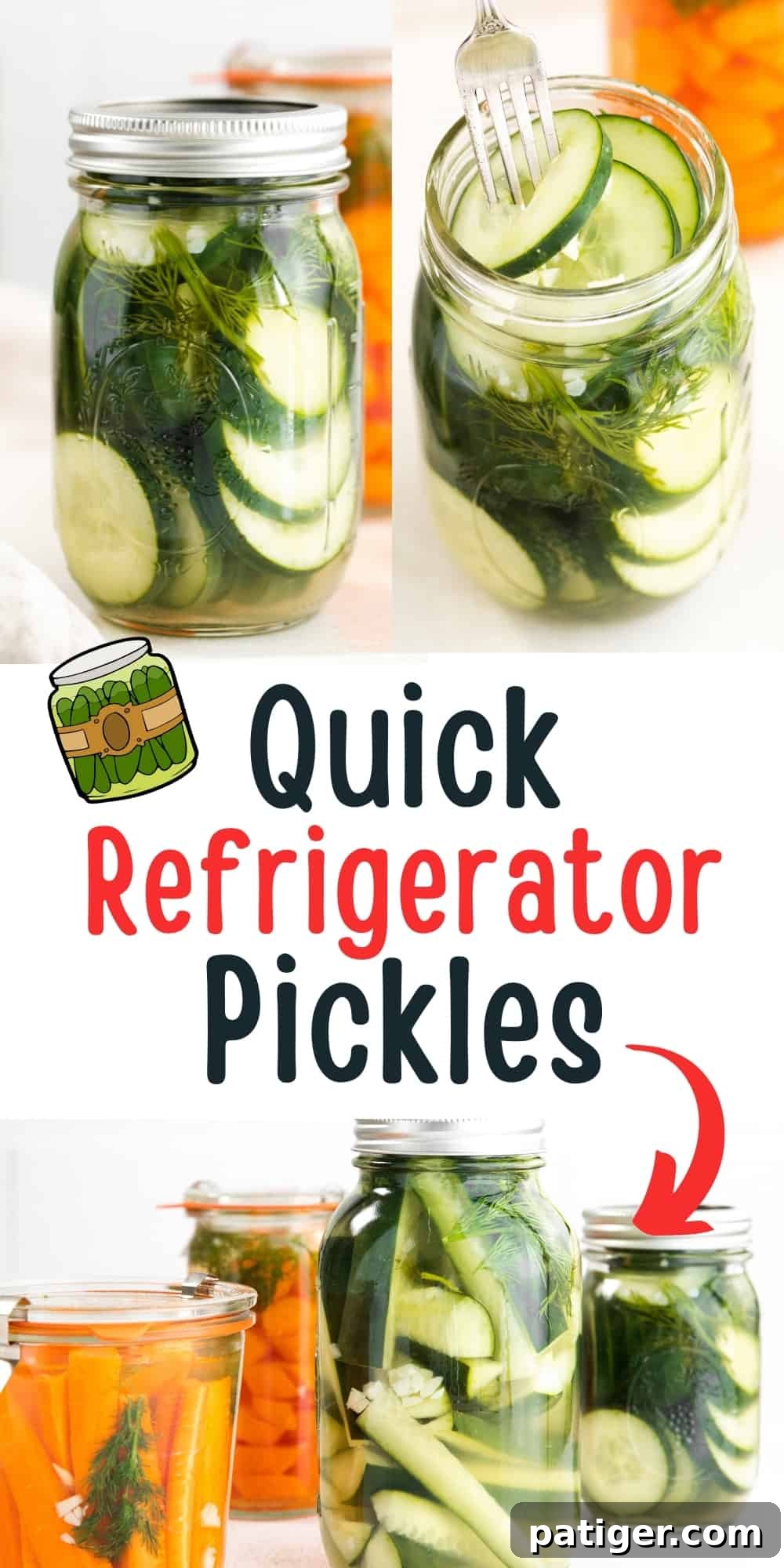
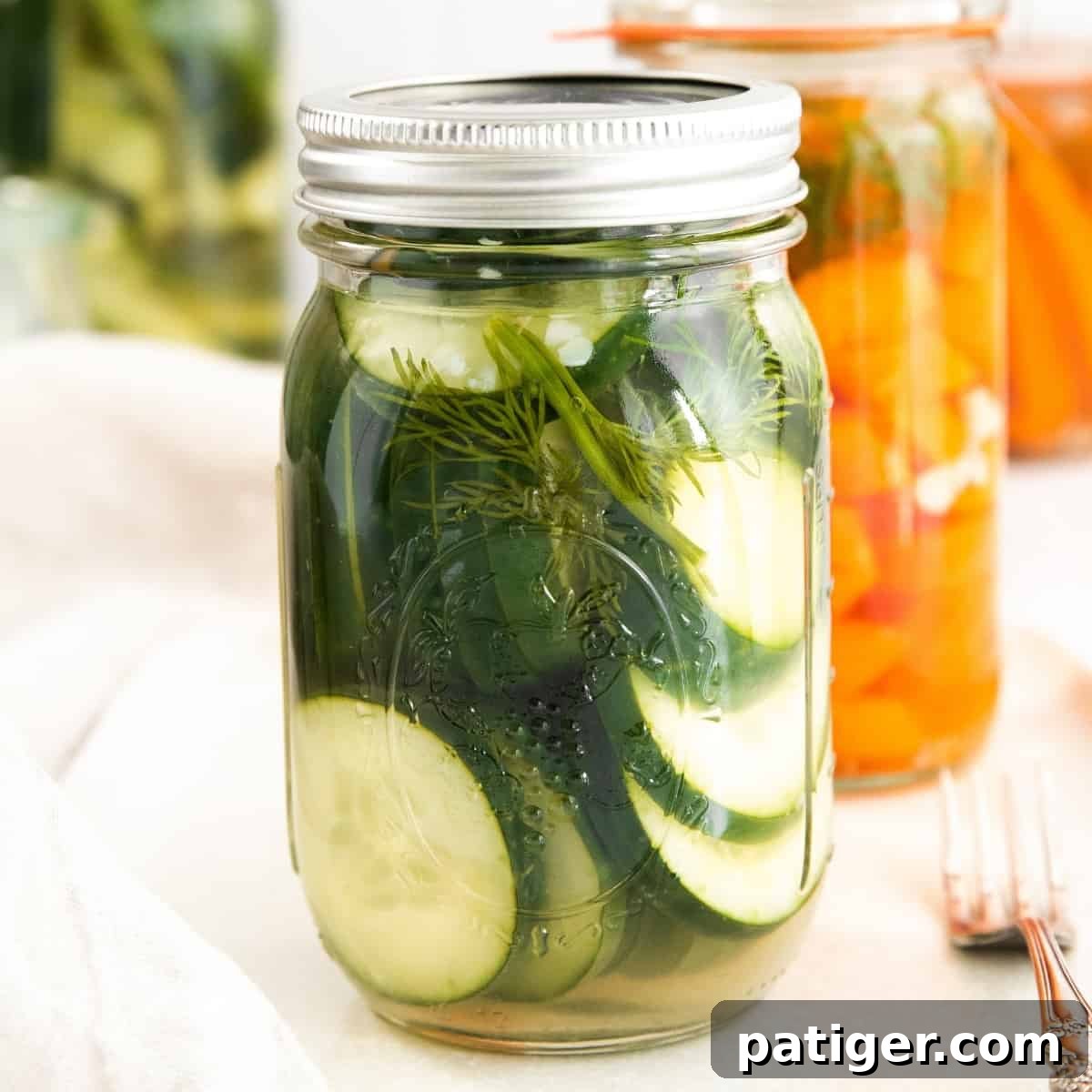
Transform your kitchen into a quick-pickling haven with this incredibly simple, overnight refrigerator dill pickle recipe. Forget the lengthy, labor-intensive canning processes of yesteryear; with just a few fresh ingredients and a minimal time commitment, you can enjoy crisp, tangy, homemade pickles ready in under 24 hours.
This recipe is designed for both novice and experienced home cooks alike, offering a straightforward path to delicious, crunchy pickles that taste far superior to their store-bought counterparts. Say goodbye to weeks of waiting and hello to instant gratification!
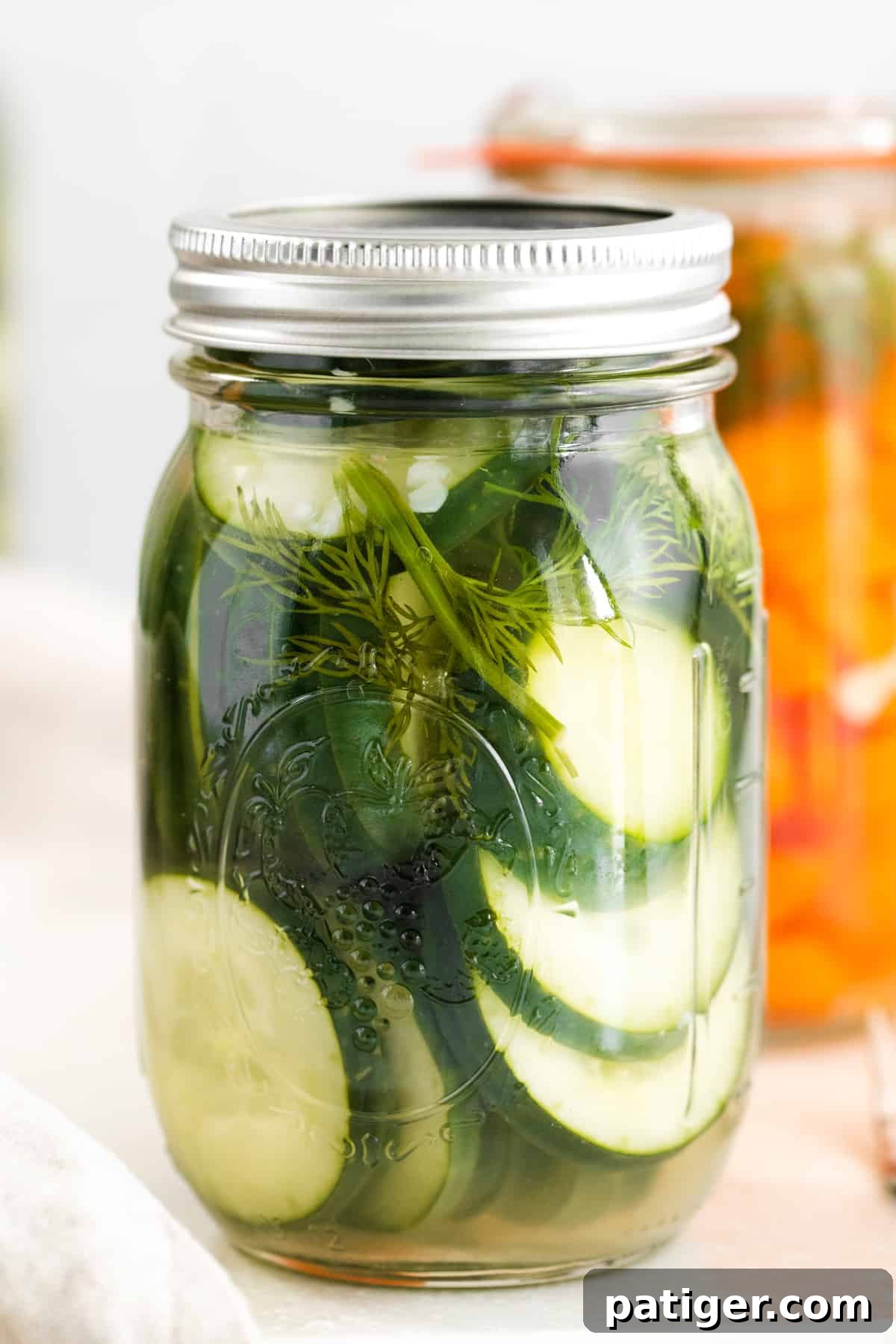
Imagine biting into a perfectly tart and savory pickle, made with your own hands, to complement your favorite meals. These refreshing quick dill pickles are not just a snack; they are a versatile condiment that elevates everything from classic sandwiches and juicy burgers to vibrant salads and hearty casseroles. They even make a delightful addition to charcuterie boards or as a refreshing side dish.
Whip up a batch this evening, and by tomorrow morning, you’ll have a delightful addition to your breakfast bagel, lunch sandwich, or dinner plate. They are particularly delicious alongside a cheeseburger casserole or incorporated into a creamy chicken salad with pickles. Once you discover the ease and flavor of homemade refrigerator pickles, you’ll never go back to mass-produced varieties.
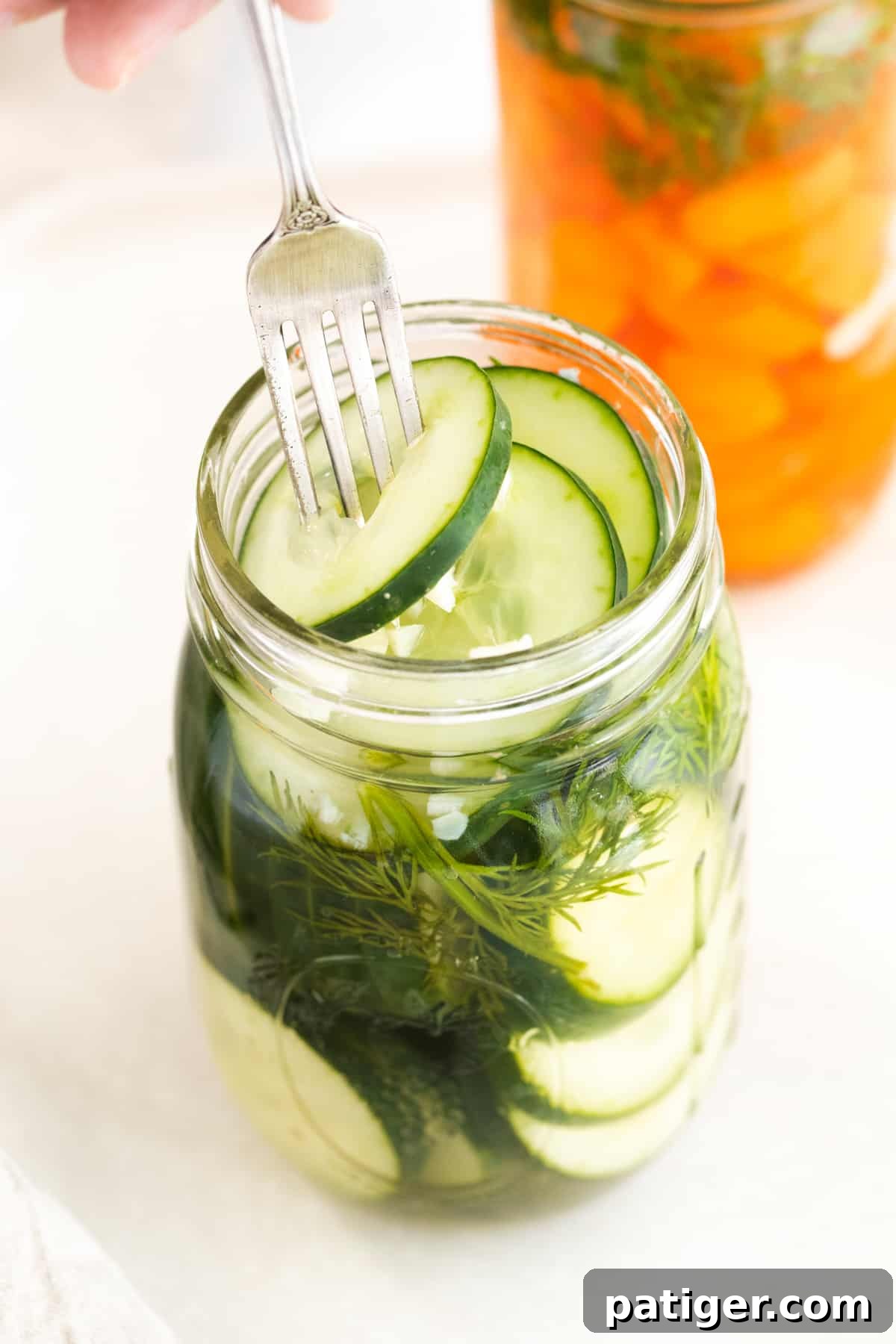
Why Choose Quick Refrigerator Pickles?
Quick refrigerator pickles offer several compelling advantages over traditional canning methods and store-bought options. First and foremost, the speed and simplicity are unmatched. You don’t need specialized equipment like canners or extensive knowledge of food preservation techniques. If you can boil water, you can make these pickles!
Furthermore, quick pickles retain a superior crispness and vibrant fresh flavor compared to their heat-processed counterparts. The lack of high heat during the preservation process means the cucumbers maintain their natural crunch and bright taste, soaking up the brine’s flavors without becoming mushy. They are also incredibly versatile, allowing for endless customization with different spices, herbs, and vegetables.
Another benefit is the peace of mind that comes with knowing exactly what goes into your food. With homemade quick pickles, you control the quality of ingredients, the amount of salt, and any additional seasonings, making them a healthier and more natural choice for your family.
Essential Ingredients for Perfect Quick Pickles
Crafting delicious quick pickles requires only a handful of readily available ingredients. The magic lies in the simple yet potent brine that infuses the vegetables with flavor and preserves their crispness. Here’s a closer look at what you’ll need to create your own batch of refrigerator dill pickles:
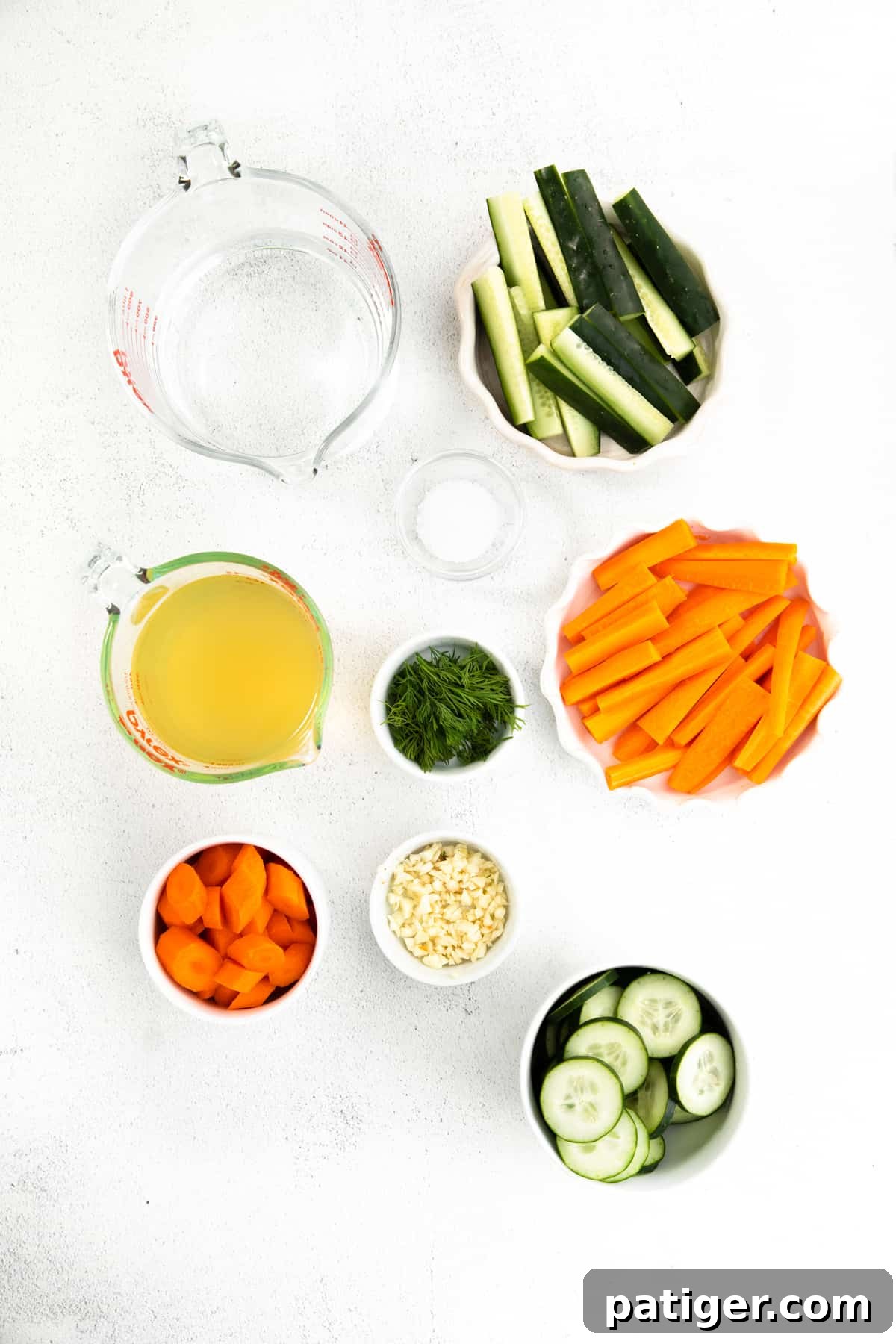
- 1 cup water: The base for your pickling brine, ensuring proper liquid volume to cover your vegetables.
- 1 cup apple cider vinegar: This provides the essential acidity for pickling, contributing a mild, fruity tang. Its natural enzymes also aid in maintaining the vegetables’ crisp texture.
- 1 Tablespoon Kosher salt: Crucial for flavor, preservation, and drawing out excess moisture from the cucumbers, which helps maintain their crunch. Kosher salt is preferred for its purity and lack of anti-caking agents.
- 4-5 sprigs fresh dill: The star flavor for classic dill pickles. Fresh dill offers a bright, herbaceous, and slightly anise-like note that is synonymous with traditional pickling.
- 2 cloves garlic, minced: Adds a pungent, savory depth to the brine, complementing the dill and enhancing the overall flavor profile.
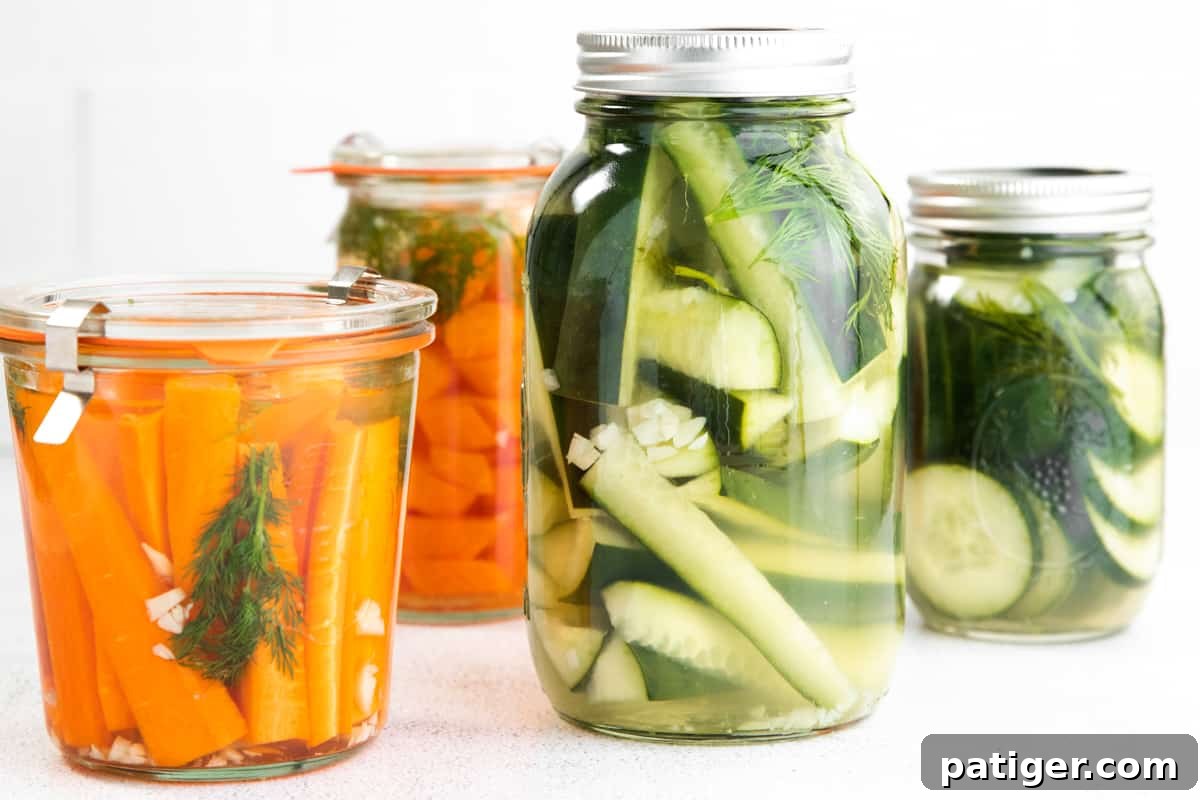
- 2 cups cucumber (or carrots), sliced or speared: The primary vegetable for pickling. Fresh, firm cucumbers are key. You can slice them into rounds for sandwiches or spears for snacking. Carrots also pickle beautifully, offering a slightly sweet crunch.
- 2 pint jars or 1 quart jar: Essential for safely storing your pickles in the refrigerator. Glass jars are non-reactive and perfect for pickling.
Creative Additions and Flavorful Substitutions
The beauty of quick pickling lies in its adaptability. This basic recipe is a fantastic starting point, but don’t hesitate to experiment with different ingredients to create your unique flavor combinations. Here are some popular additions and substitutions to inspire your pickling adventures:
- Vinegar Variations: While apple cider vinegar offers a lovely subtle fruitiness, you can easily substitute it with white vinegar for a sharper, more traditional pickle flavor, or rice vinegar for a milder, slightly sweeter Asian-inspired profile.
- Sweetness Boost: For those who prefer a touch of sweetness, add 2-4 tablespoons of granulated sugar to the brine. This creates a delightful sweet and sour balance, reminiscent of bread and butter pickles. Adjust to your personal taste.
- Aromatic Onions: Introduce a delicate onion flavor by adding 1/2 – 1 cup of thinly sliced red or white onions to the jars along with your cucumbers. They will pickle beautifully and add another layer of texture and taste.
- Spice It Up: If you crave a little heat, incorporate 1/2 teaspoon of red pepper flakes into the brine. For a more intense kick, consider adding a small whole chili pepper (like a jalapeño or serrano) to each jar.
- Herbal Infusions: Beyond dill, consider other fresh herbs like parsley, tarragon, or even a bay leaf for different aromatic notes. Dried spices such as mustard seeds, coriander seeds, peppercorns, or celery seeds are also excellent additions to the brine.
- Venture Beyond Cucumbers: While cucumbers and carrots are fantastic, the world of quick pickling is vast! Almost any firm vegetable can be quickly pickled. Try red onions, beets (they will beautifully stain your brine pink!), summer squash, okra, green beans, bell peppers, radishes, or even asparagus. Each vegetable will bring its own unique texture and flavor to the pickled experience.
Step-by-Step: How to Make Quick Refrigerator Pickles
Making quick refrigerator pickles is a straightforward process that yields impressive results. Follow these simple steps to create your own batch of crisp and flavorful dill pickles:
- Prepare Your Jars and Vegetables: Ensure your glass jars are clean and sterilized. Wash your cucumbers (or other chosen vegetables) thoroughly. For optimal crispness, trim off the blossom end of the cucumbers, as this part contains enzymes that can make pickles soft. Slice your cucumbers into rounds, spears, or whatever shape you prefer, then tightly pack them into the jars. Distribute the fresh dill sprigs evenly among the jars.
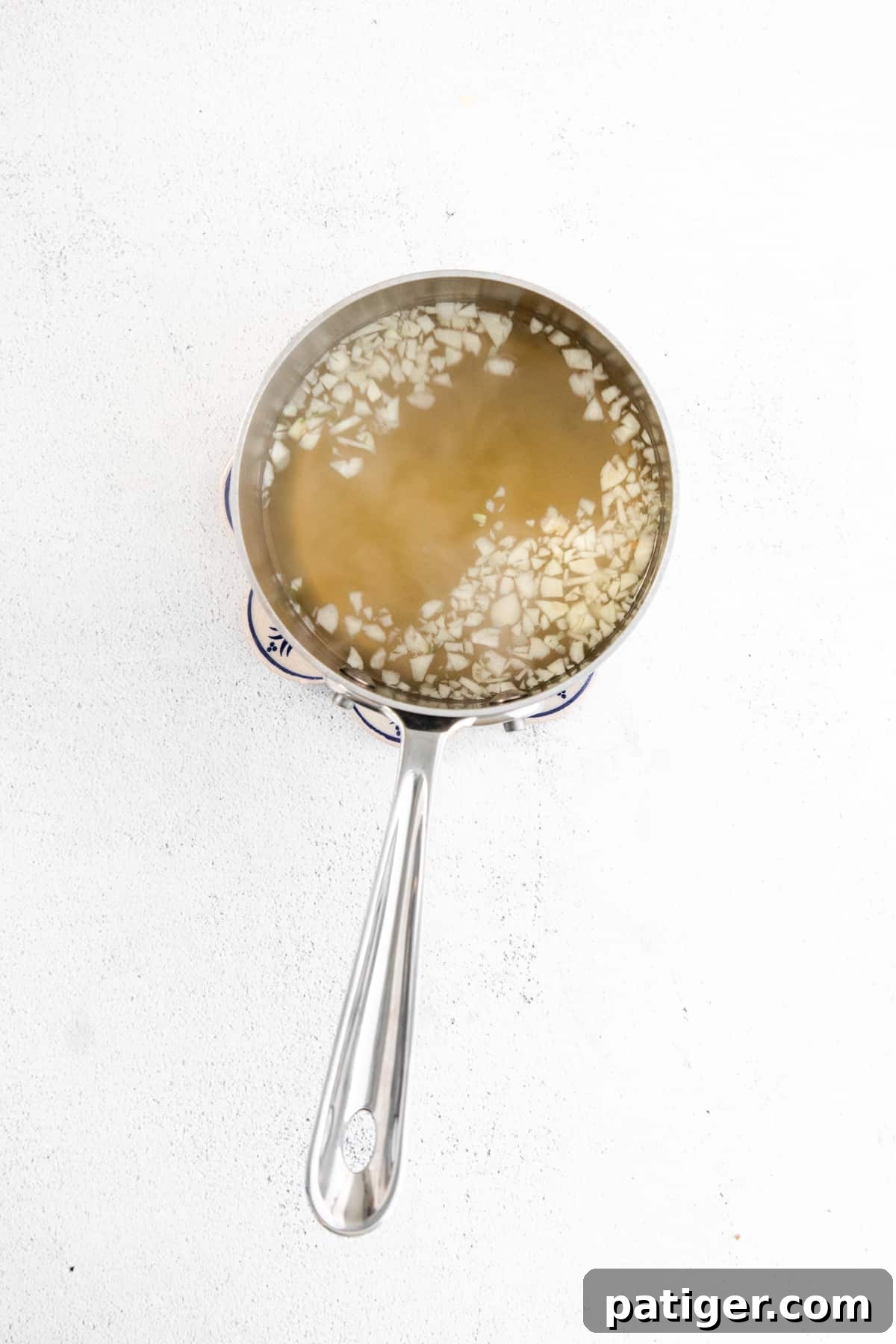
- Craft the Brine: In a medium saucepan, combine the water, vinegar, Kosher salt, and minced garlic. Place the saucepan over medium heat and bring the mixture to a gentle simmer. Continue to simmer, stirring occasionally, until all the salt has completely dissolved. This ensures your brine is perfectly seasoned and ready to infuse your vegetables.
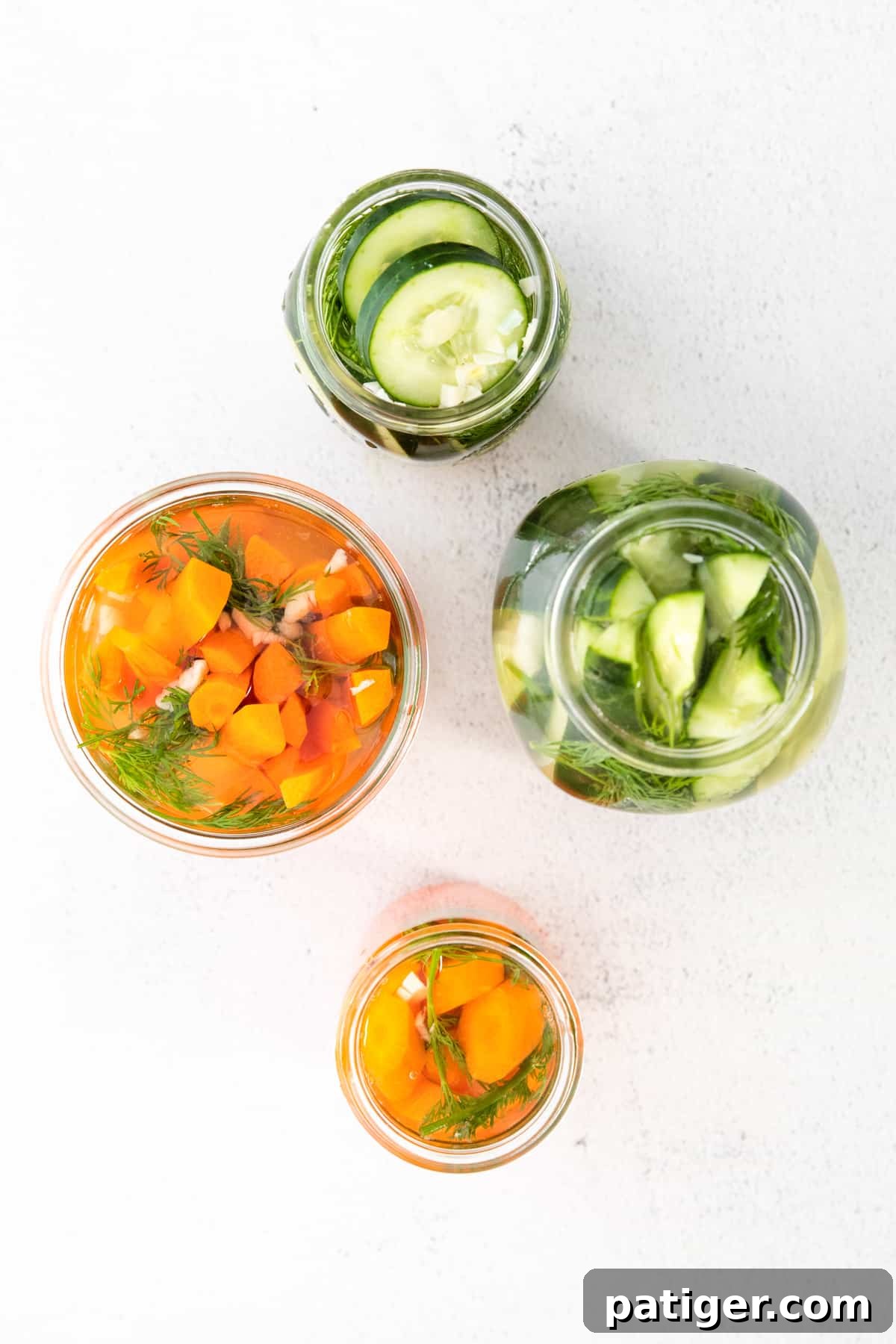
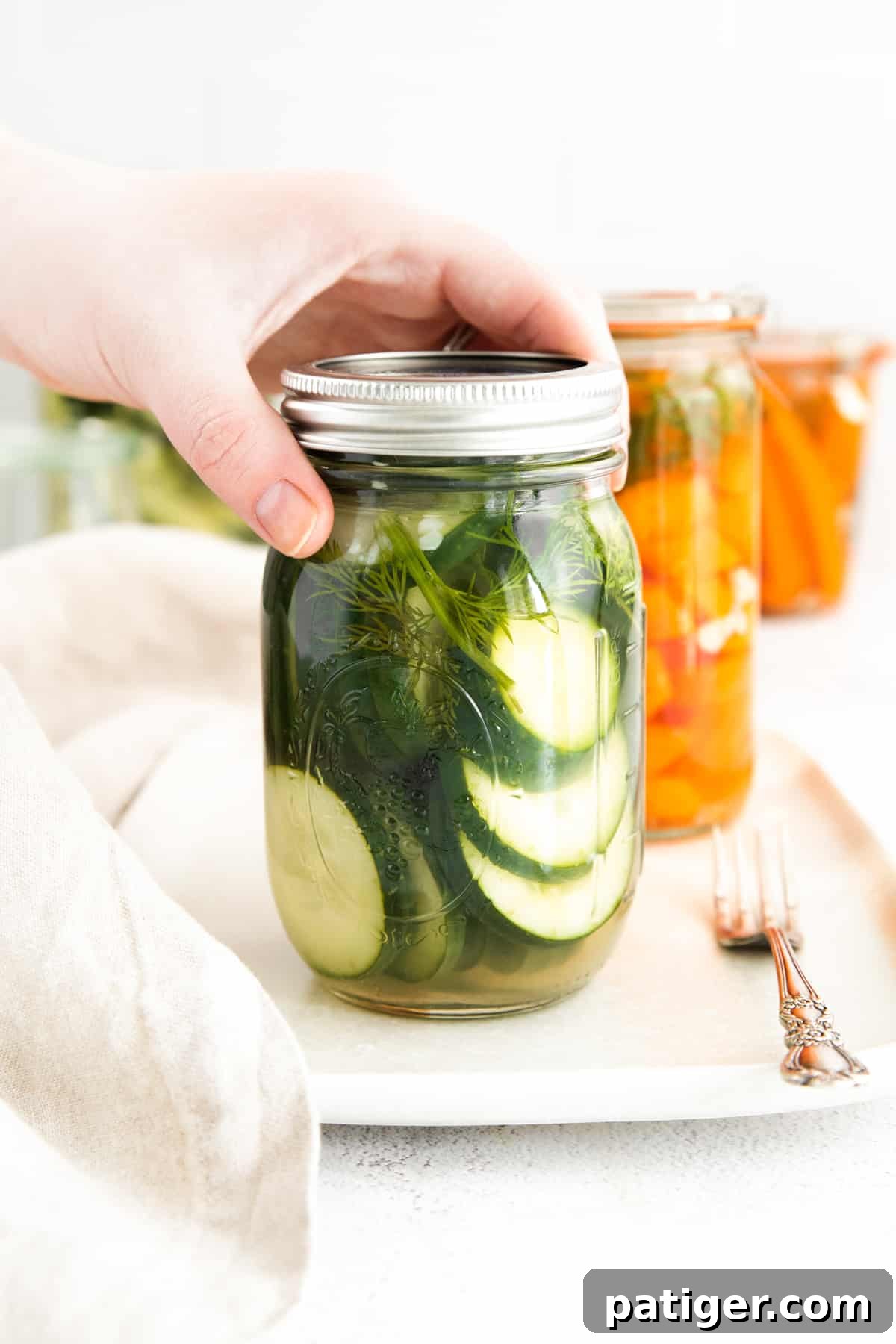
- Brine the Vegetables: Carefully pour the hot brine over the packed cucumbers and dill in the jars. Ensure the vegetables are fully submerged in the liquid. If the brine doesn’t quite cover everything, you can top off the jars with a splash of cool water until all the contents are covered. This is crucial for proper pickling and preventing spoilage.
- Cool and Chill: Allow the jars to cool undisturbed at room temperature for about an hour. Once cooled, tightly cover the jars with their lids. Transfer the covered jars to the refrigerator and let them chill overnight, or for at least 8-12 hours, before serving. The longer they sit, the more pronounced the pickled flavor will become.
Tips for Extra Crispy Pickles
Achieving that perfect, satisfying crunch is often the goal when making homemade pickles. While quick pickling naturally helps retain crispness, a few extra steps can ensure your refrigerator dill pickles are consistently firm:
- Start with Fresh, Firm Cucumbers: This is arguably the most critical step. Choose small, firm pickling cucumbers like Kirby or Persian varieties, free of blemishes and soft spots.
- Ice Bath Treatment: Before slicing, soak your cucumbers in an ice bath for 1-2 hours. This shock helps firm up their texture.
- Trim Blossom Ends: As mentioned in the instructions, the blossom end of a cucumber contains enzymes that can soften pickles. Trimming about 1/4 inch off this end can significantly improve crispness.
- Use Pickling Salt: While Kosher salt works well, pickling salt is specifically designed for canning and pickling, containing no anti-caking agents that can sometimes make brine cloudy.
- Calcium Chloride: For an extra boost of crunch, consider adding a pinch of food-grade calcium chloride (often sold as “pickle crisp”) to your jars before adding the brine. A little goes a long way in firming up vegetables.
Serving Suggestions and Culinary Pairings
Once your quick dill pickles are ready, the culinary possibilities are endless! Their tangy, savory profile makes them an incredibly versatile ingredient and accompaniment:
- Classic Sandwich & Burger Topping: The most obvious and beloved use! Slice them thinly for sandwiches or keep them as spears for burgers.
- Salad Enhancer: Chop them and add to potato salad, tuna salad, or egg salad for a burst of flavor and crunch. They are also fantastic in a green salad with a vinaigrette dressing.
- Snack Time Favorite: Enjoy them straight from the jar as a healthy, low-calorie snack.
- Charcuterie Board Staple: Arrange them alongside cheeses, cured meats, and crackers for an elegant appetizer spread.
- Savory Dishes: Incorporate into recipes like stews, chili, or even a delicious fried pickle spears appetizer. They add a bright counterpoint to rich flavors.
- Creative Pairings: Try them with grilled cheese, hot dogs, or as part of a homemade pickles in a blanket snack.
Recipe FAQ: Your Quick Pickle Questions Answered
For the best results, opt for pickling cucumber varieties like Kirby, Persian, or other small, firm cucumbers. These types have thinner skins, fewer seeds, and a denser flesh that helps them stay wonderfully crispy and retain their satisfying snap during the pickling process.
Unlike traditionally canned pickles, refrigerator pickles are not shelf-stable and must be stored in the fridge. When kept in an airtight jar in the refrigerator, homemade quick pickles will maintain their quality and freshness for several weeks, typically up to 3-4 weeks. Always use clean utensils when removing pickles to prolong their shelf life.
While it might be tempting, it is generally not recommended to reuse the brine for a new batch of pickles, especially for quick refrigerator pickles. The brine has absorbed flavors and moisture from the first batch of vegetables, and its acidity and salt concentration may have changed, making it less effective for safe and flavorful pickling of a fresh batch.
The ideal thickness depends on your preference and how quickly you want them to pickle. Thinner slices (1/8 to 1/4 inch) will absorb the brine faster and be ready sooner, perfect for sandwiches. Thicker spears (1/4 to 1/2 inch) will retain more crunch and are great for snacking. Ensure consistent thickness for even pickling.
Quick Pickles
Author: Jaclyn
10 minutes
5 minutes
15 minutes
10
servings
Equipment
-
2 16-ounce mason jars or a 32-ounce (quart) jar
Ingredients
-
1 cup
water -
1 cup
apple cider vinegar -
1 Tablespoon
Kosher salt -
4-5
sprigs fresh dill -
2 cloves
garlic, minced -
2 cups
cucumber or carrot, sliced
Instructions
-
Add the cucumbers and dill sprigs to glass jars.
-
In a medium saucepan set over medium heat, bring the water, vinegar, salt, and garlic to a simmer. Continue to simmer, stirring occasionally, until all the salt has dissolved.
-
Pour the brine over the cucumbers and dill sprigs. The cucumbers should be covered with liquid. Top off with cool water if needed to cover all the cucumbers.
-
Cool to room temperature (about an hour) then cover and refrigerator overnight or until serving.
Notes
Recipe is great with carrots and other veggies as well.
Nutrition
Calories:
9
kcal
|
Carbohydrates:
1
g
|
Protein:
0.2
g
|
Fat:
0.1
g
|
Saturated Fat:
0.004
g
|
Polyunsaturated Fat:
0.002
g
|
Monounsaturated Fat:
0.004
g
|
Sodium:
701
mg
|
Potassium:
59
mg
|
Fiber:
0.2
g
|
Sugar:
0.5
g
|
Vitamin A:
50
IU
|
Vitamin C:
1
mg
|
Calcium:
8
mg
|
Iron:
0.1
mg
Did You Make This Recipe?
Share it with me on Instagram @crayonsandcravings and follow on Pinterest @crayonsandcravings for even more!
Pin Recipe
Leave A Review
Pin for Later: Don’t Forget This Easy Recipe!
Ensure you can easily find this fantastic quick pickle recipe whenever a craving strikes or fresh cucumbers are abundant. Save it to your favorite Pinterest board for future reference and share the joy of homemade pickles with your friends and family!