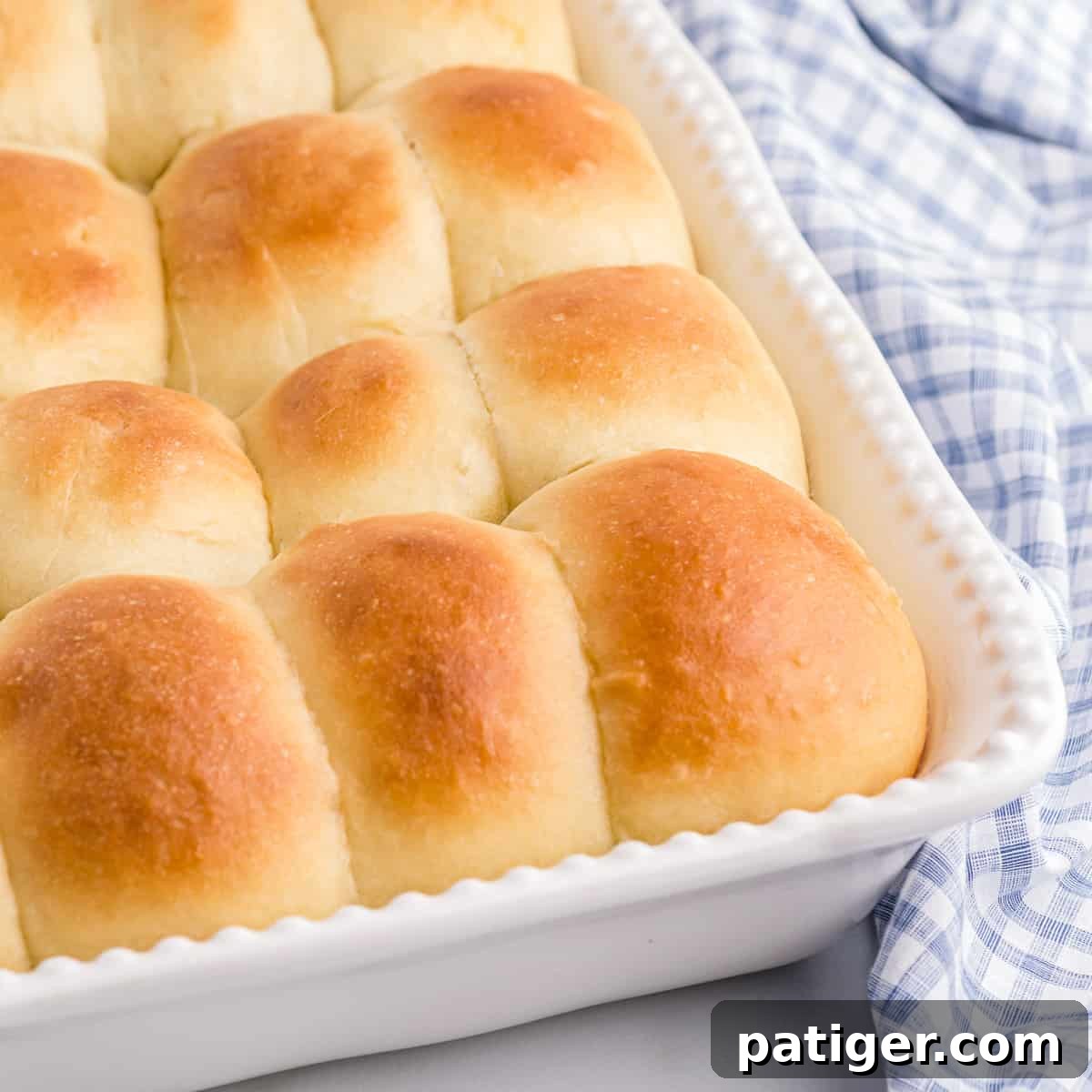
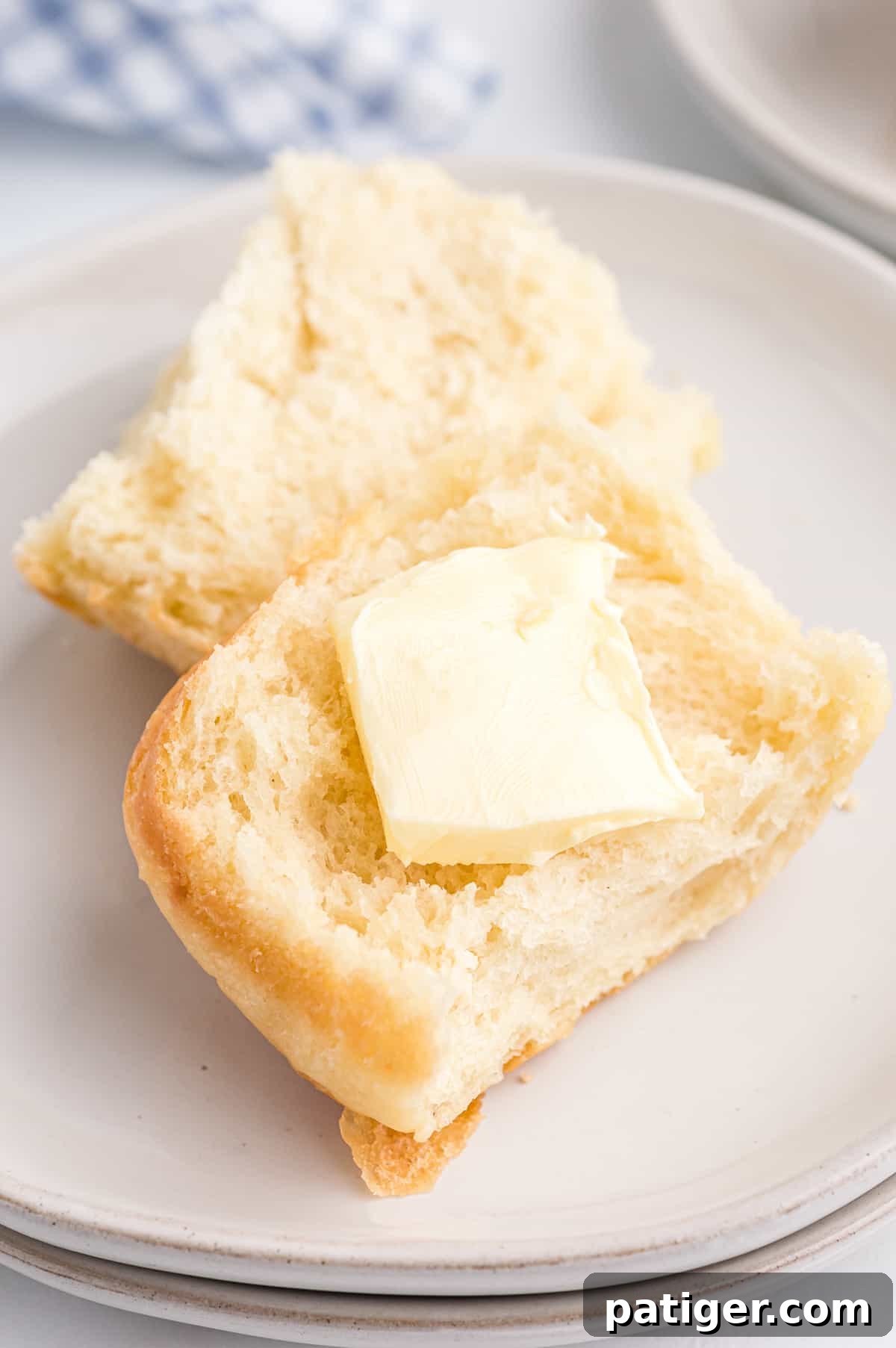
Forget dry, lackluster dinner rolls. Prepare to be amazed by the ultimate comfort food staple: Homemade Potato Rolls! These irresistible rolls, lovingly crafted with the secret ingredient of leftover mashed potatoes, redefine softness and fluffiness. Imagine a tender crumb that practically melts in your mouth, perfectly golden-brown on the outside, and subtly sweet. Whether you’re planning a festive holiday feast like Thanksgiving, Christmas, or Easter, or simply seeking to elevate a casual weeknight dinner, these mashed potato dinner rolls are guaranteed to become a cherished family favorite. They bring a touch of heartwarming nostalgia, reminiscent of grandma’s kitchen, making every bite a delightful experience.
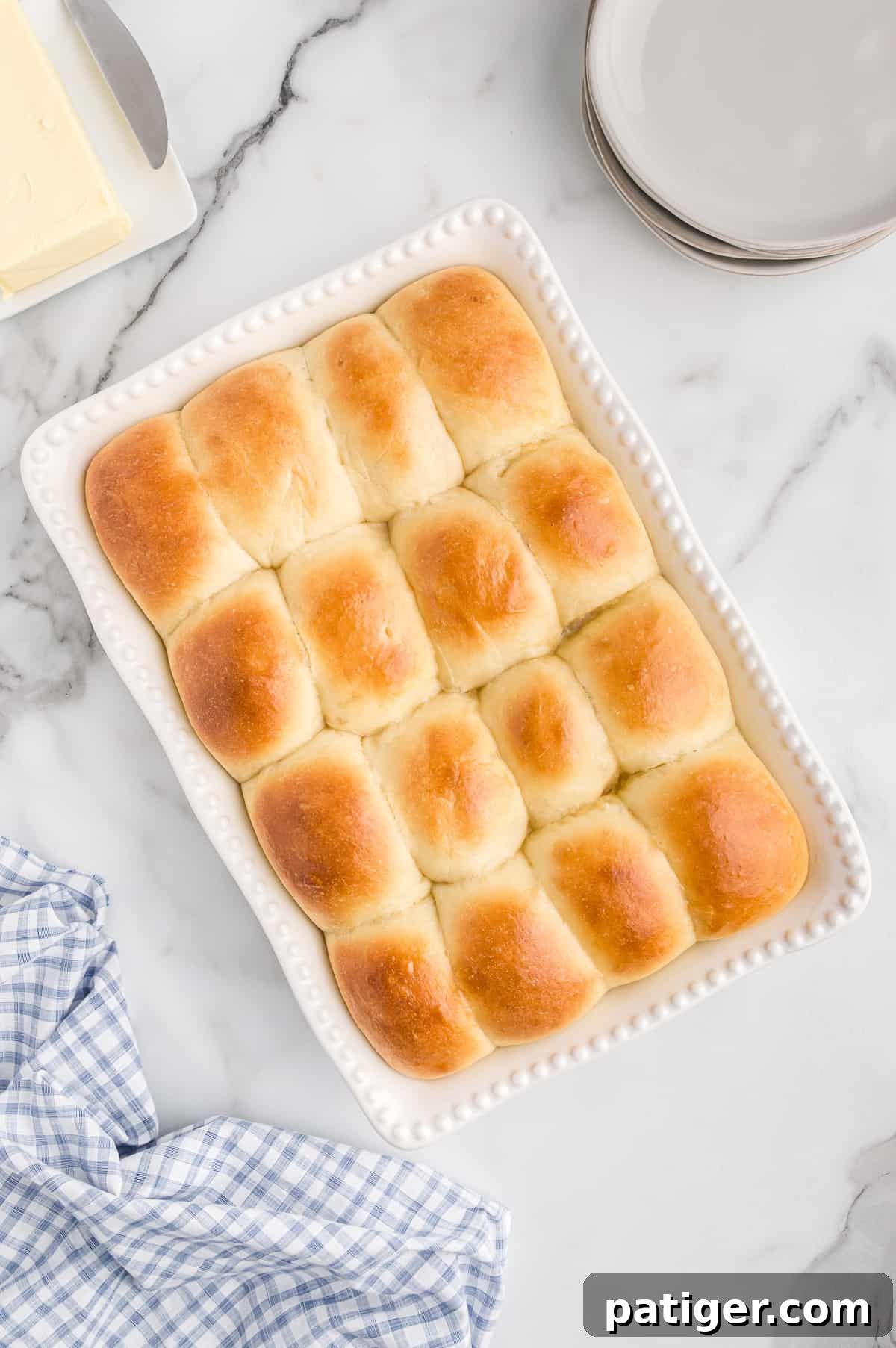
What sets these potato rolls apart from conventional dinner rolls? It’s the magic of potatoes! Incorporating mashed potatoes into the dough isn’t just a clever way to use leftovers; it’s a culinary secret weapon. The starch in the potatoes contributes significantly to the rolls’ incredibly soft, moist, and tender texture, far surpassing what all-flour rolls can achieve. They also lend a delicate, earthy sweetness and a beautiful golden hue to the final product. The result? Rolls that stay fresher longer and offer an unparalleled pillowy bite, making them undeniably the best dinner rolls you’ll ever bake.
Perfect Pairings & Versatile Serving Suggestions
These versatile, fluffy potato rolls are not just for holidays. Their delicate flavor and cloud-like texture make them the perfect accompaniment to a wide array of dishes throughout the year. Serve them warm with a generous pat of homemade butter alongside hearty meals like slow-cooked roast beef, succulent Air Fryer Ham, or classic Smothered Pork Chops. They are phenomenal with comforting casseroles, such as a creamy Chicken Pot Pie or a savory Chicken Noodle Casserole.
Beyond dinner, get creative! Use these soft rolls to craft gourmet slider sandwiches – imagine making Hot Italian Sliders or even Chicken Parmesan Sliders with Chicken Nuggets. For breakfast or brunch, transform leftover rolls into an extraordinary French Toast casserole, delicious savory croutons for soup and salads, or even a comforting bread pudding. Their adaptability means they’re always a welcome addition to any table, proving that potato rolls are truly a year-round delight.
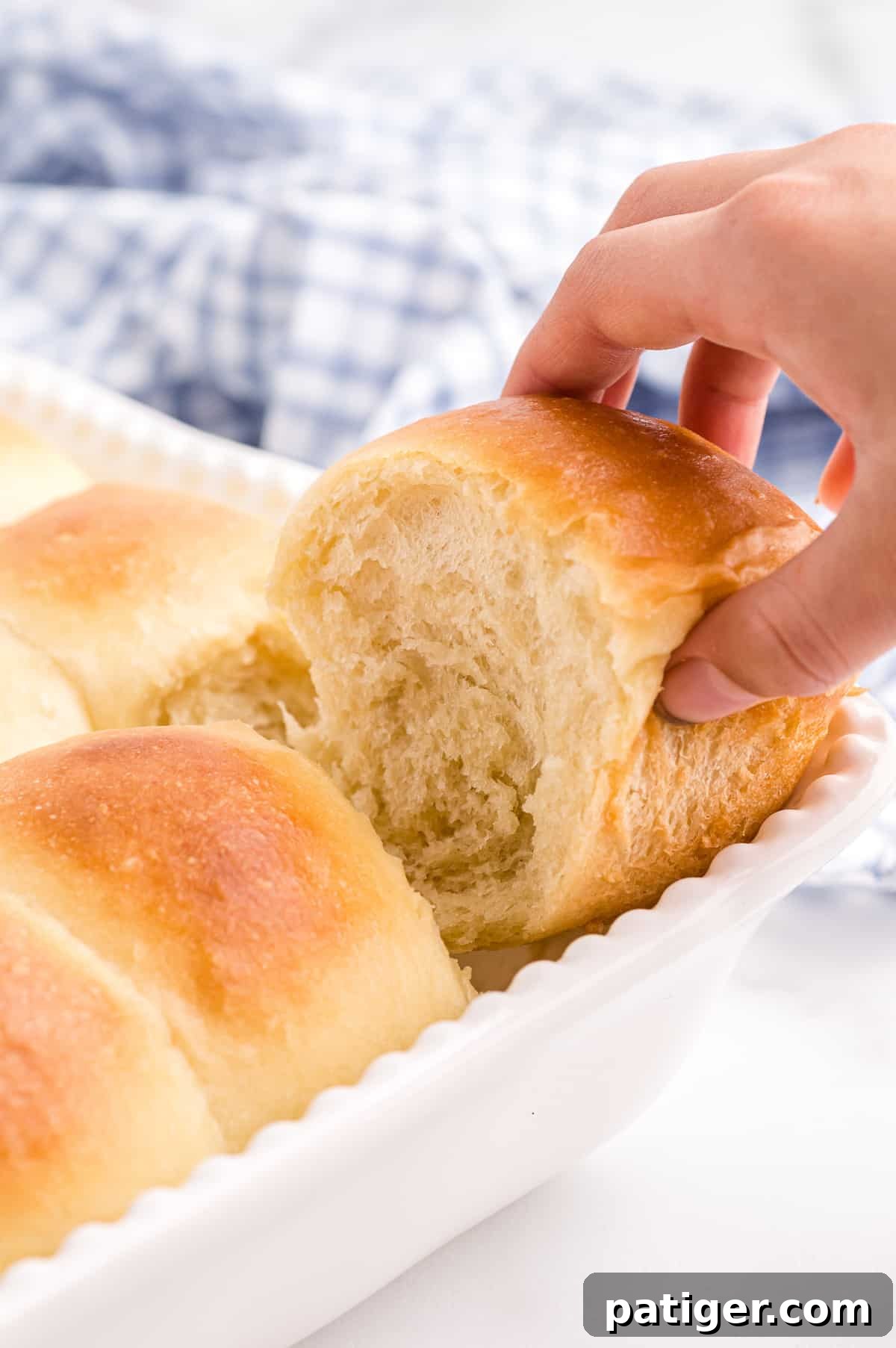
You truly cannot beat the taste and melt-in-your-mouth texture of these pillowy, tender homemade dinner rolls!
Making Your First Batch: Easier Than You Think
Don’t let the mention of yeast or dough rising intimidate you. Crafting these easy potato rolls from scratch is a surprisingly simple and rewarding process, even for novice bakers. The recipe is designed to be straightforward, guiding you through each step with clarity and confidence. You’ll find that the ingredients are common pantry staples, meaning you likely have most of them on hand already. The hands-on time is minimal, with much of the work done by your trusty stand mixer and the oven providing a cozy spot for the dough to work its magic. Embrace the joy of homemade baking; the incredible aroma filling your kitchen and the taste of freshly baked potato rolls will make every effort worthwhile and earn you rave reviews from family and friends.
Essential Ingredients & Smart Substitutions for Perfect Potato Rolls
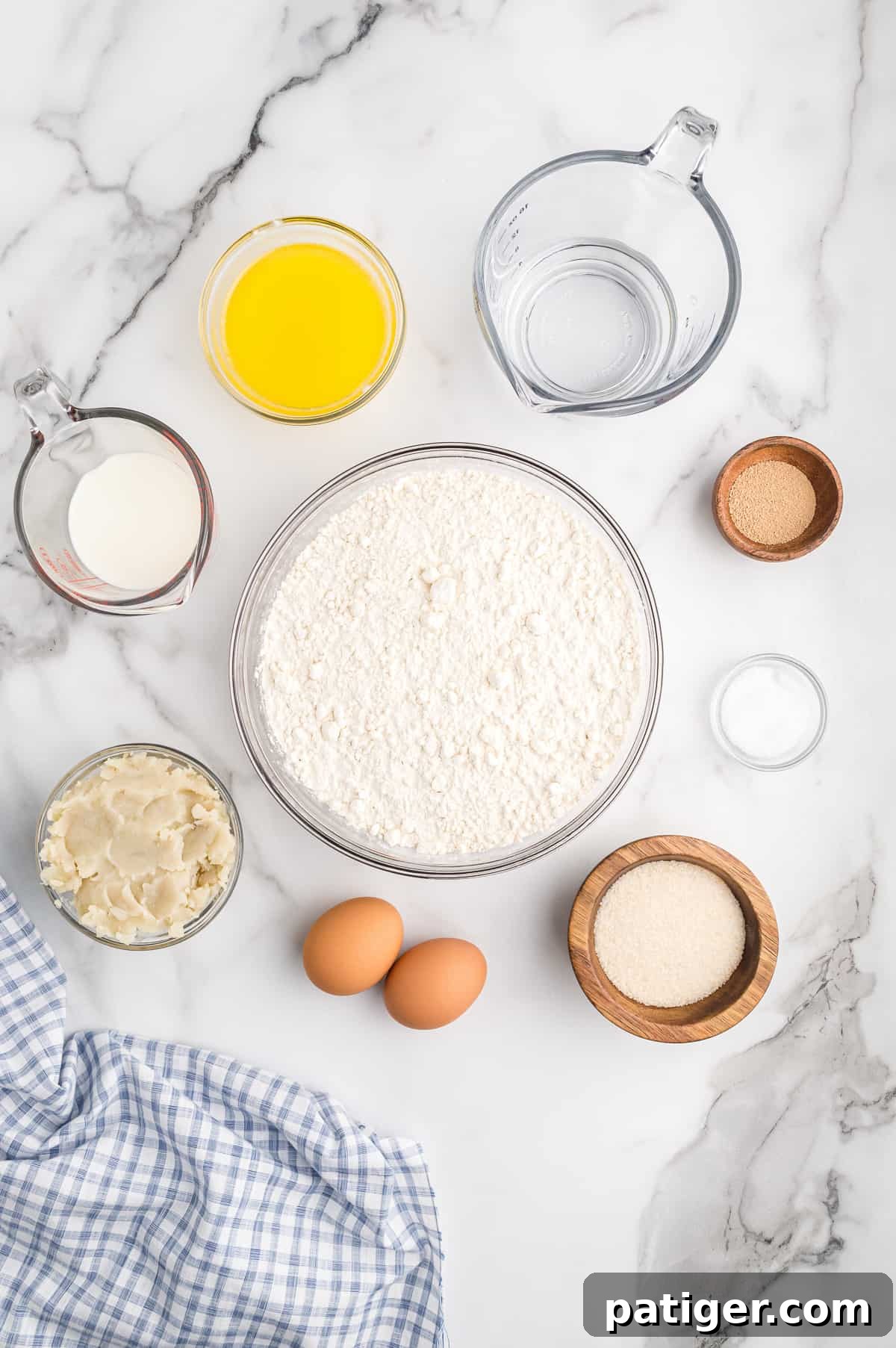
For this delicious potato roll recipe, you will need the following key ingredients, each playing a vital role in achieving that signature softness:
- Water: Essential for activating the yeast. Ensure it’s lukewarm (around 105-115°F or 40-46°C) – too hot will kill the yeast, too cold won’t activate it, preventing your rolls from rising properly.
- Active Dry Yeast: This is your primary leavening agent, responsible for the rolls’ light and airy texture. One packet or 2 ¼ teaspoons is the standard amount. Always check the expiration date to ensure your yeast is fresh and active for the best rise.
- Granulated Sugar: This serves a dual purpose: it feeds the yeast, promoting a robust rise, and adds a delicate touch of sweetness to the finished rolls. You’ll use it divided between activating the yeast and mixing into the main dough.
- Mashed Potatoes: The star ingredient that makes these rolls truly special! Plain, unseasoned leftover mashed potatoes work best, and they should be at room temperature. If you don’t have leftovers, you can easily make fresh mashed potatoes from scratch or even use instant mashed potatoes for convenience. I have even had success making them with mashed potatoes with cream cheese and sour cream, which adds an extra layer of richness and flavor.
- Whole Milk: Adds crucial richness and moisture to the dough, significantly contributing to its tender, fine crumb. While whole milk is highly recommended for its fat content, you can substitute with other milk types (like 2%, skim, or even plain, unsweetened non-dairy milk). Be aware that thinner milks might make the dough slightly stickier; if this happens, have a little extra all-purpose flour on hand to adjust consistency, adding a Tablespoon at a time until the dough is no longer sticking excessively to your hands.
- Unsalted Butter: Provides incredible flavor, luxurious richness, and that desirable melt-in-your-mouth softness. Using unsalted butter allows you precise control over the overall salt content of your rolls. Remember to melt it and let it cool slightly before incorporating it into the dough. Don’t forget a little extra melted butter for brushing on top after baking for that perfect golden sheen and added buttery taste.
- Eggs: These contribute significantly to the structure, beautiful golden color, and overall richness of the dough. Using room temperature eggs helps them incorporate more evenly and smoothly into the mixture, leading to a more consistent dough.
- Fine Sea Salt: Balances the sweetness from the sugar and enhances all the wonderful flavors in the rolls. Fine sea salt dissolves more easily and evenly into the dough compared to coarser salts.
- All-Purpose Flour: This is the primary structural component of the rolls. While the recipe specifically calls for all-purpose flour to achieve a wonderfully soft and tender roll, you can experiment with bread flour for a slightly chewier texture, if preferred. Ensure you measure your flour correctly (using the scoop and level method) to avoid a dense or dry dough.
Essential Baking Supplies You’ll Need
Having the right tools makes the baking process smoother and more enjoyable:
- Measuring cups and spoons (for accurate ingredient measurement)
- Large measuring cup (ideal for proofing yeast)
- Stand mixer with dough hook (highly recommended for efficient kneading, though hand kneading is also possible)
- Mixing bowls (at least two large ones: one for dough, one for rising)
- 9×13 inch Baking dish (or a similar sized pan to fit 16 rolls)
- Damp kitchen towel or plastic wrap (for covering dough during rising)
- Non-stick cooking spray (for preparing bowls and baking dish)
Step-By-Step Directions for Unforgettable Fluffy Potato Rolls
Follow these detailed steps carefully to create the most amazing homemade potato rolls that are guaranteed to impress:
-
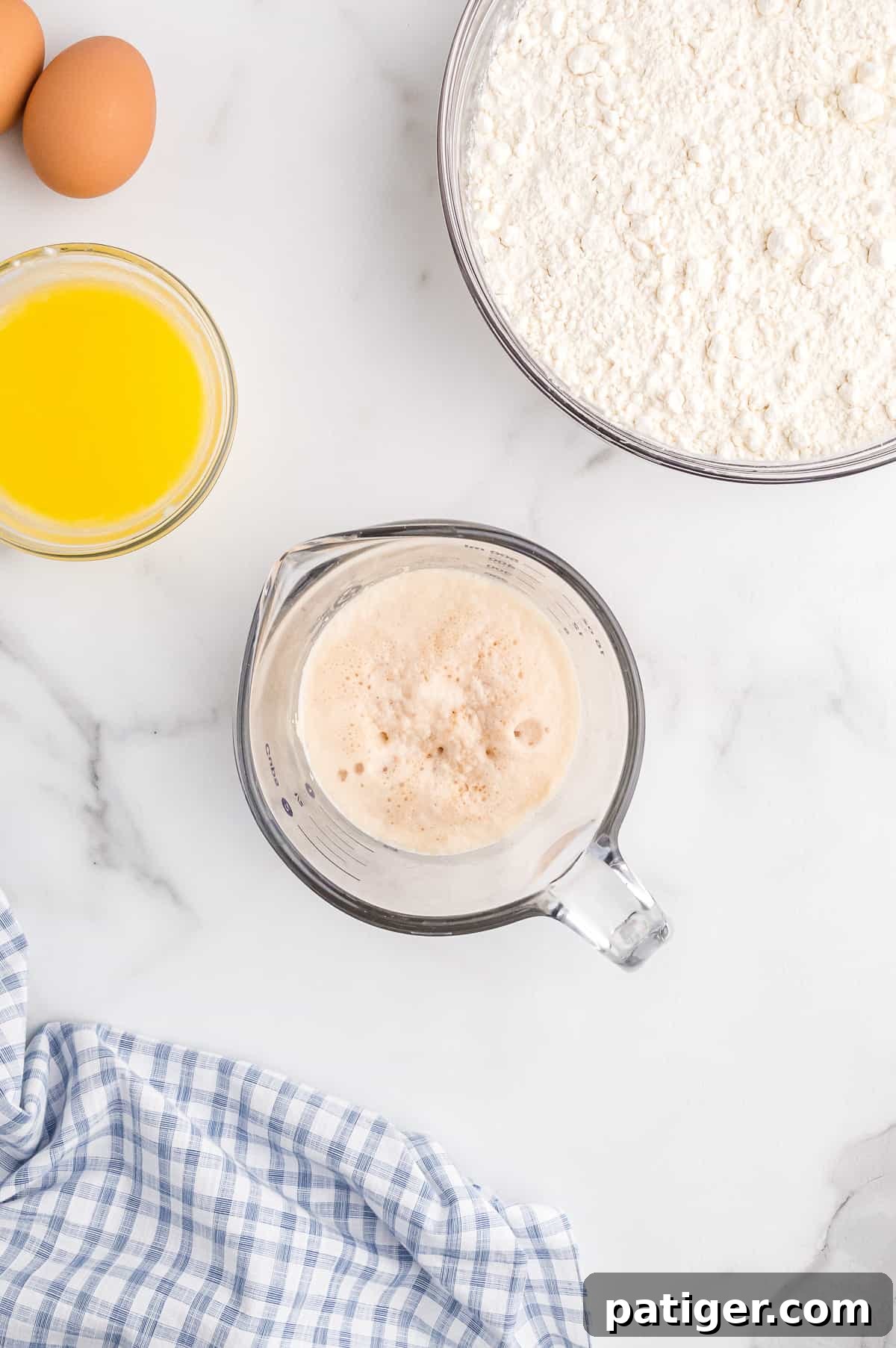
Activate the Yeast: Add ½ cup of water to a large measuring cup or small bowl and heat it in the microwave for 15-20 seconds, until it is lukewarm (105-115°F / 40-46°C). It should feel warm but not hot to the touch. Stir in the active dry yeast and 1 Tablespoon of granulated sugar. Gently mix, then set this mixture aside in a warm, draft-free area to proof for 5 minutes. You should observe a foamy, bubbly layer forming on the surface, which is a clear indication that your yeast is active and ready to work its magic.

-
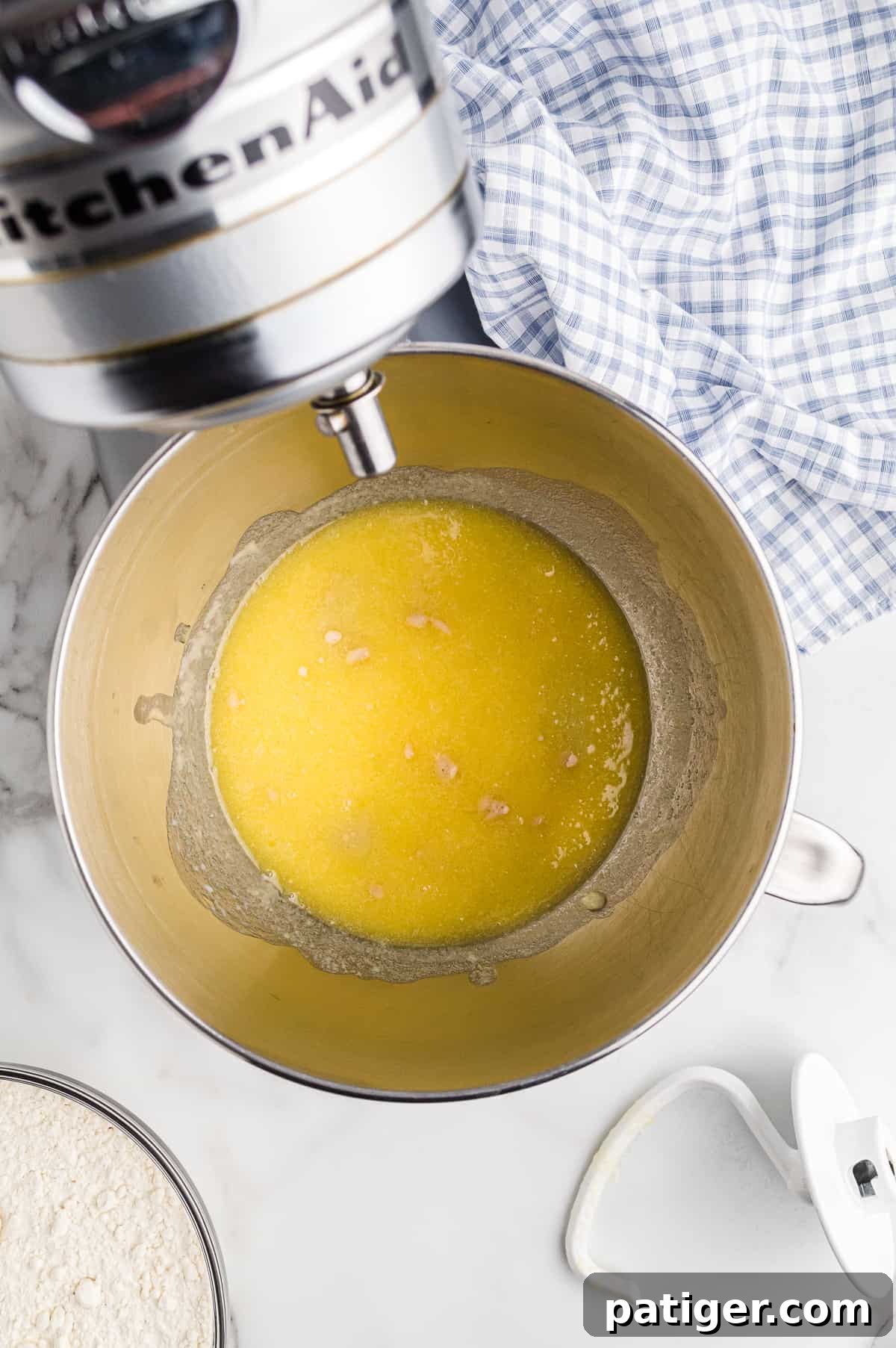
Combine Wet Ingredients: Once the yeast has proofed and is visibly foamy, pour the activated yeast mixture into the bowl of a stand mixer. Add the remaining ⅓ cup granulated sugar, the room temperature mashed potatoes, whole milk, melted and cooled unsalted butter, eggs, and fine sea salt. Attach the dough hook to your stand mixer and mix on low speed until all ingredients are thoroughly combined and the mixture appears homogenous.
-
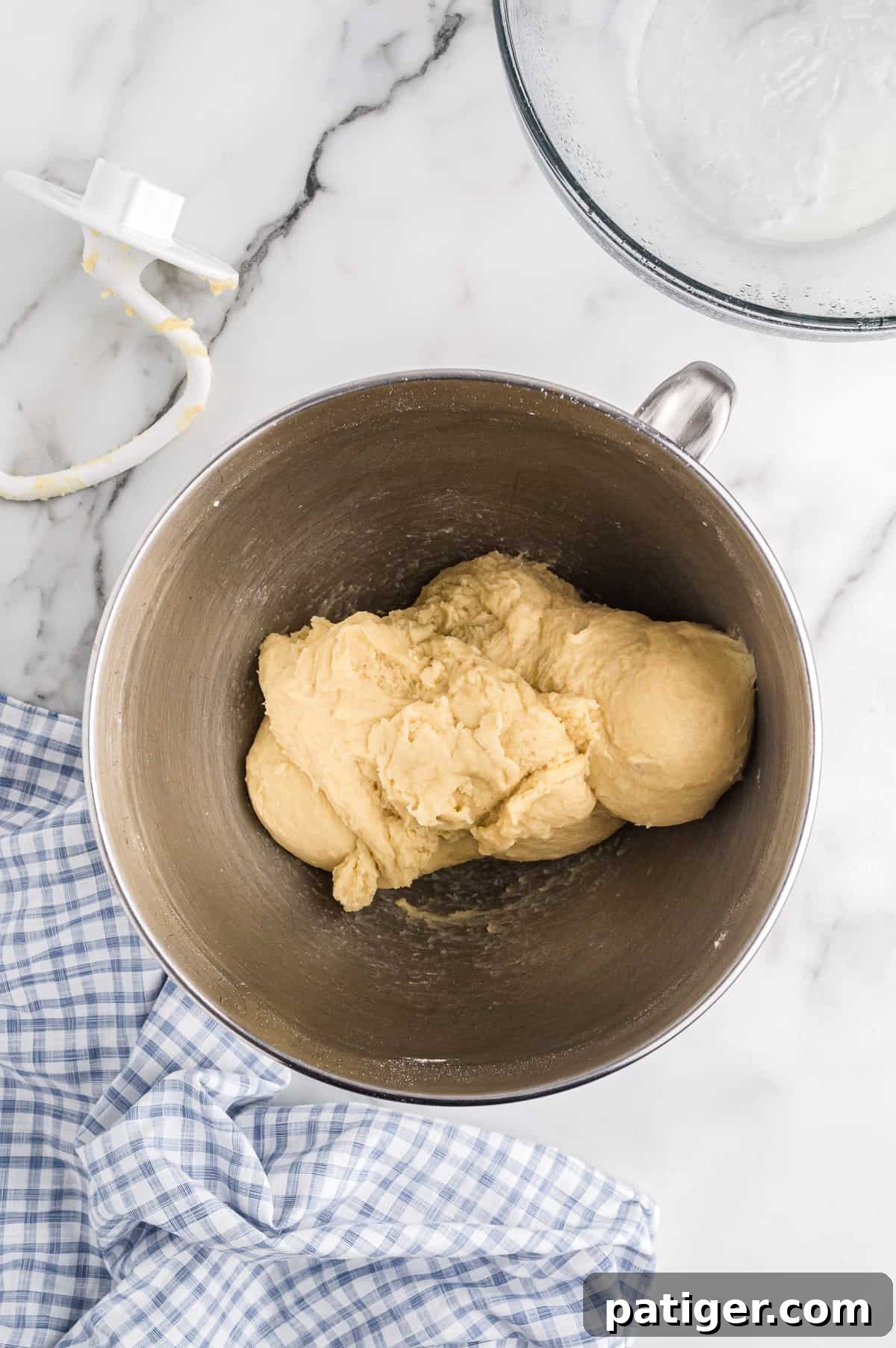
Add Flour and Knead: Gradually add in the all-purpose flour, one cup at a time, continuing to mix on medium-low speed. Once all the flour has been incorporated, continue to mix and knead the dough for an additional 5-6 minutes. The dough should come together, forming a cohesive ball around the dough hook and pulling completely away from the sides of the mixing bowl. The finished dough should feel slightly tacky but not overly sticky.
-
Prepare for First Rise: While the dough is mixing, preheat your oven to its lowest possible setting, typically around 170°F (77°C). As soon as the oven reaches this temperature, turn it off immediately. This creates a perfectly warm, cozy, and draft-free environment, ideal for your dough to rise.
-
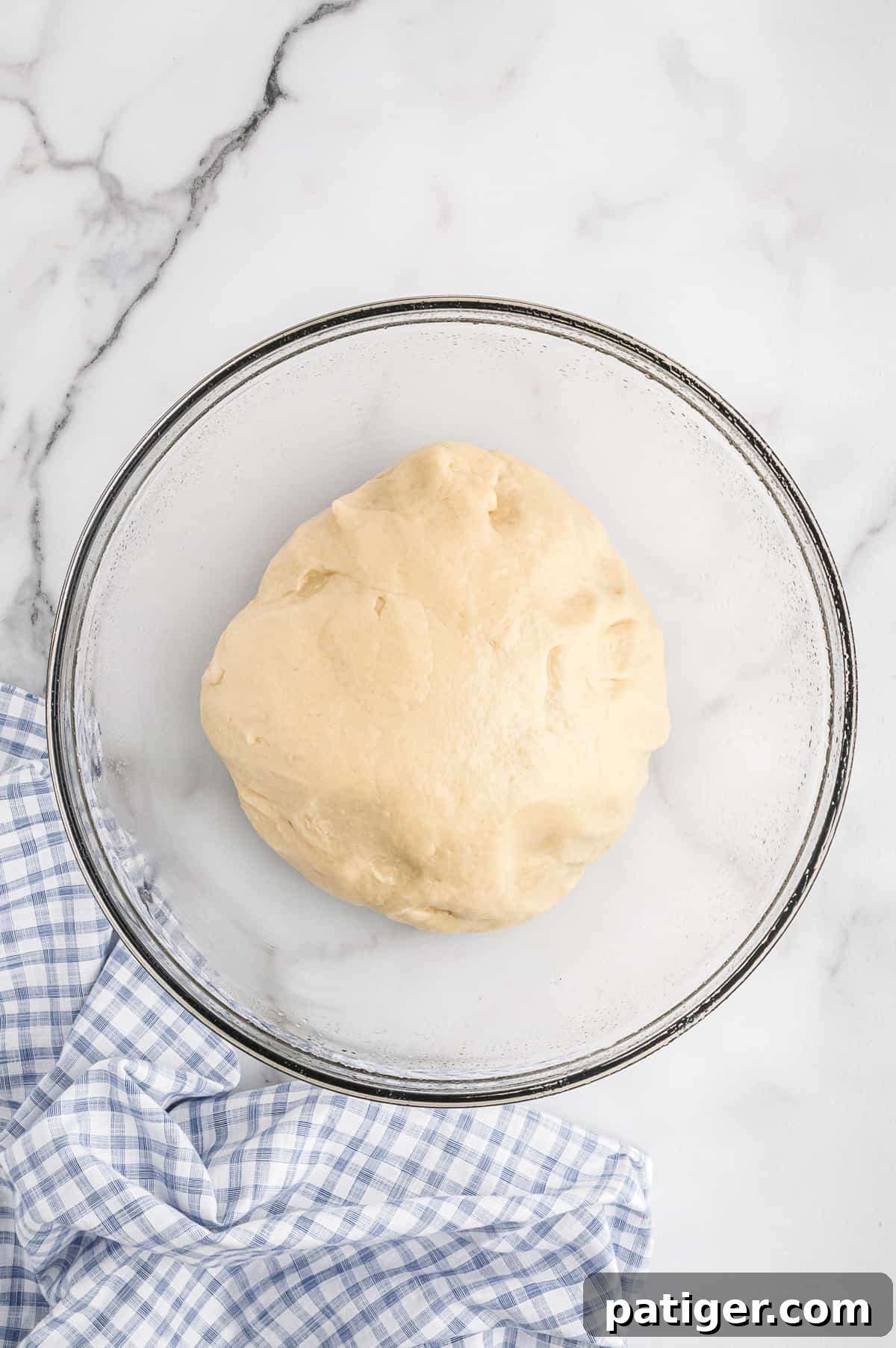
First Rise: Lightly spray a large mixing bowl with non-stick cooking spray. Transfer your freshly kneaded ball of dough to the prepared bowl, flipping it over once to ensure it’s lightly coated with the cooking spray. Cover the bowl securely with a damp kitchen towel or plastic wrap and place it into your warm, turned-off oven to rise for 1 hour. After an hour, the dough should have almost doubled significantly in size, indicating a successful first rise.
-
Prepare Baking Dish: While the dough is rising, lightly spray a 9×13 inch baking dish with non-stick cooking spray. Set it aside, ready for the shaped rolls.
-
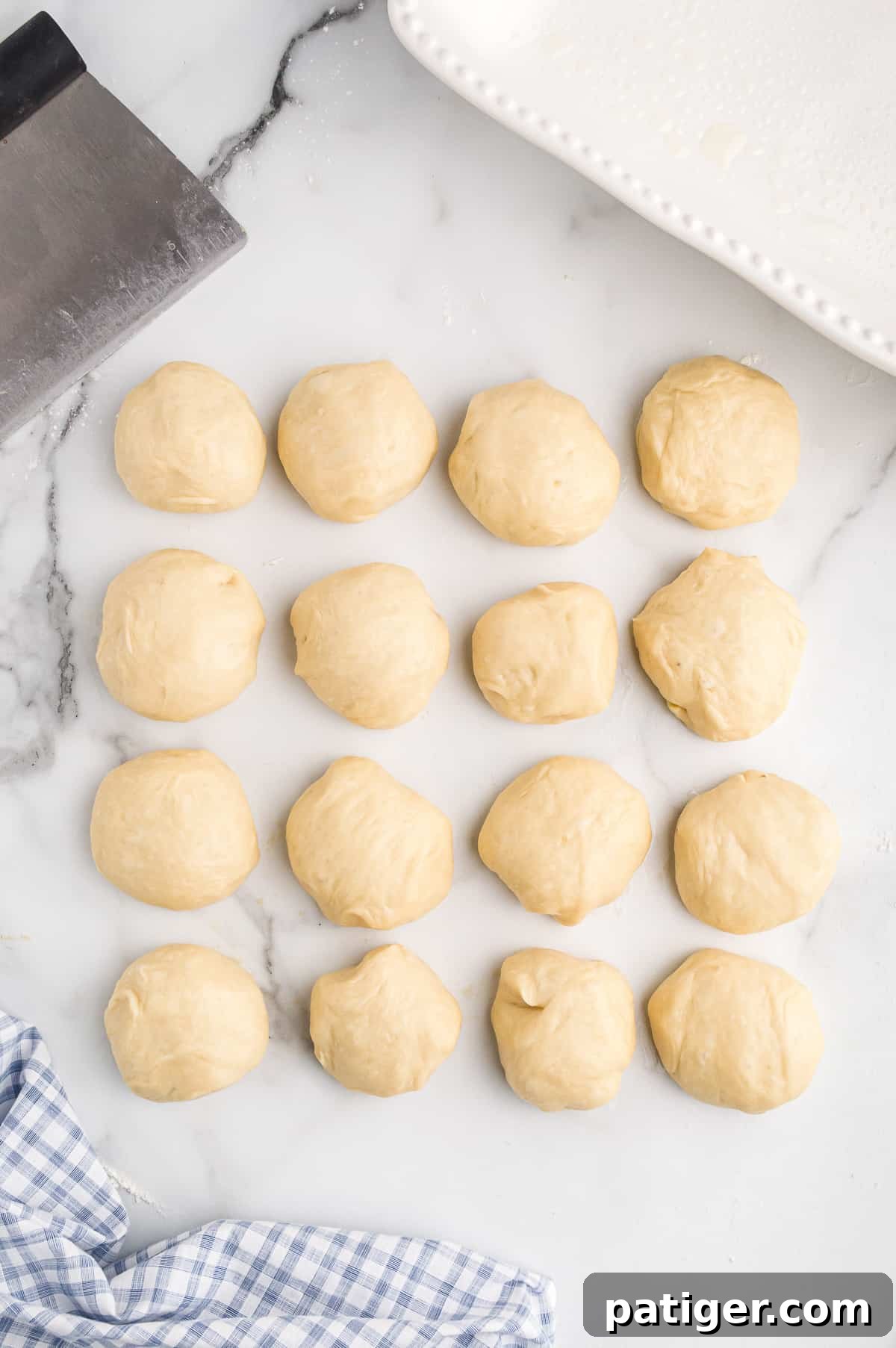
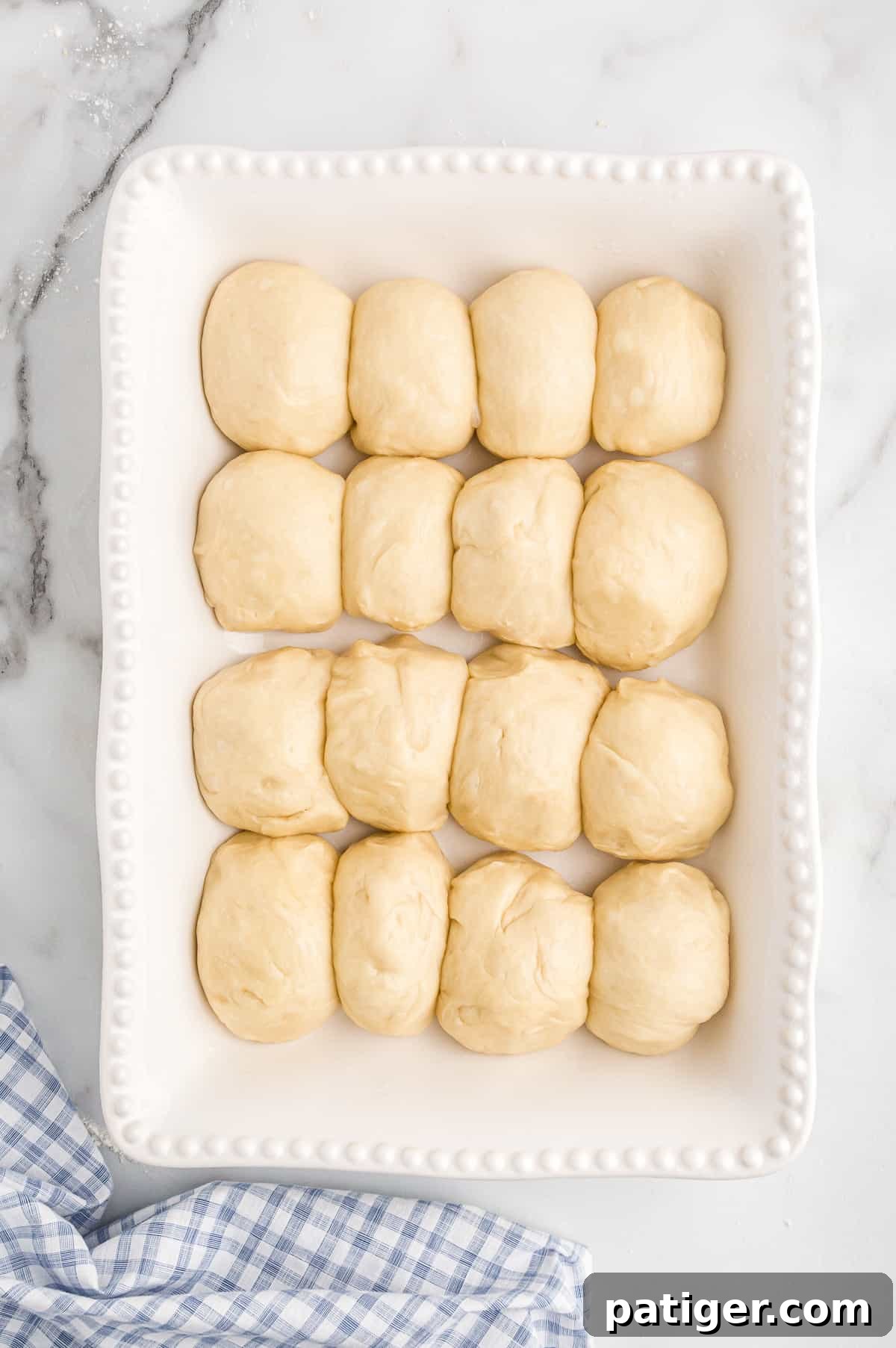
Shape the Rolls & Second Rise: Once the first rise is complete, gently turn the risen dough out onto a lightly floured surface. Carefully deflate the dough and cut it into 16 equal-sized pieces using a sharp knife or dough scraper. Take each piece and gently roll it into a smooth, tight ball. Arrange these shaped rolls evenly in the prepared baking dish. Cover the dish again with a damp kitchen towel or plastic wrap and allow the rolls to rise for another 1 hour in the warm oven. *Note: If your oven has cooled significantly since the first rise, you can briefly preheat it to 170°F (77°C) again while you’re shaping the rolls, then turn it off before placing the covered dish back in to rise.
-
Bake to Golden Perfection: Once the rolls have completed their second rise and look puffy, preheat your oven to 350°F (175°C). *Important: Be sure to remove the rolls from the oven first if they were rising inside, before you preheat it! Bake for 20-22 minutes, or until the tops are beautifully golden brown. Keep a close eye on them towards the end of the baking time to prevent overbaking, which can dry them out.
-
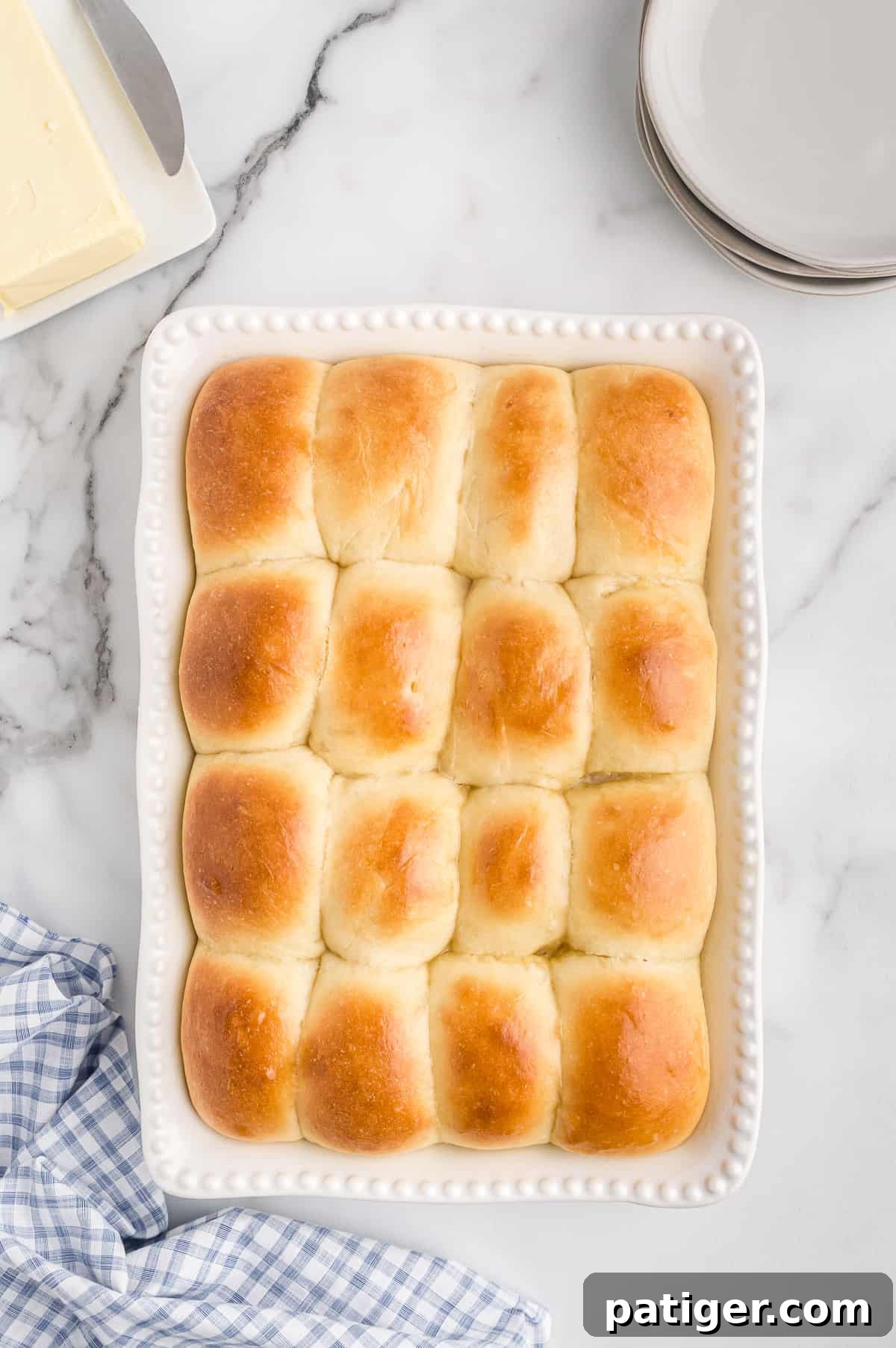
Serve: As soon as the golden-brown rolls emerge from the oven, immediately brush them generously with a little extra melted butter. This not only adds an irresistible sheen but also enhances their already delectable flavor and keeps the crust wonderfully soft. Serve warm and prepare for them to disappear quickly!
Expert Tips for Perfect Potato Rolls Every Time
Achieving bakery-quality potato rolls at home is easy with these insider tips:
- Ensure Active Yeast: Don’t skip the yeast proofing step! Combining lukewarm water, a touch of sugar, and yeast allows you to confirm your yeast is active. After 5 minutes, you should see a distinct foamy, bubbly layer on the surface. If not, your yeast might be old or the water temperature was incorrect; it’s always best to start with a fresh batch to avoid disappointment.
- Achieve the Right Dough Consistency: After mixing in all the flour, your dough should be slightly tacky to the touch but not overly sticky. It should readily pull cleanly away from the sides of the stand mixer bowl and form a cohesive ball around the dough hook. If it’s too sticky, add flour a tablespoon at a time until the desired consistency is reached. If it seems too dry, add a teaspoon of milk or water.
- Create an Optimal Warm Rising Environment: Yeast thrives in warmth! The clever trick of preheating your oven to 170°F (77°C) and then immediately turning it off creates an ideal, consistent, and draft-free environment for your dough to rise. Alternatively, you can place the covered bowl in another warm spot in your kitchen, such as near a sunny window, on top of a warm appliance, or in a warm water bath.
- Shape Uniform Rolls for Even Baking: For perfectly consistent and evenly baked rolls, strive to make each piece of dough roughly the same size. After cutting your dough into 16 pieces, gently roll each piece into a smooth, tight ball. This technique not only helps create that classic dinner roll shape but also ensures a consistent rise and even baking throughout the batch.
- Avoid Overbaking for Maximum Softness: Keep a close eye on your rolls during the last few minutes of baking. They should develop a beautiful golden-brown color on top. Overbaking is the quickest way to end up with dry, tough rolls, so err on the side of slightly underbaked for maximum tenderness and an incredibly moist crumb.
- The Magic of Butter Brushing: The final touch truly makes a difference! Brushing the hot rolls generously with melted butter just after they come out of the oven adds an irresistible sheen, infuses them with extra rich flavor, and helps to keep the crust wonderfully soft and appealing.
Storage & Reheating for Lasting Freshness
To ensure you can enjoy the soft, delectable texture of your homemade potato rolls for as long as possible, proper storage is absolutely key:
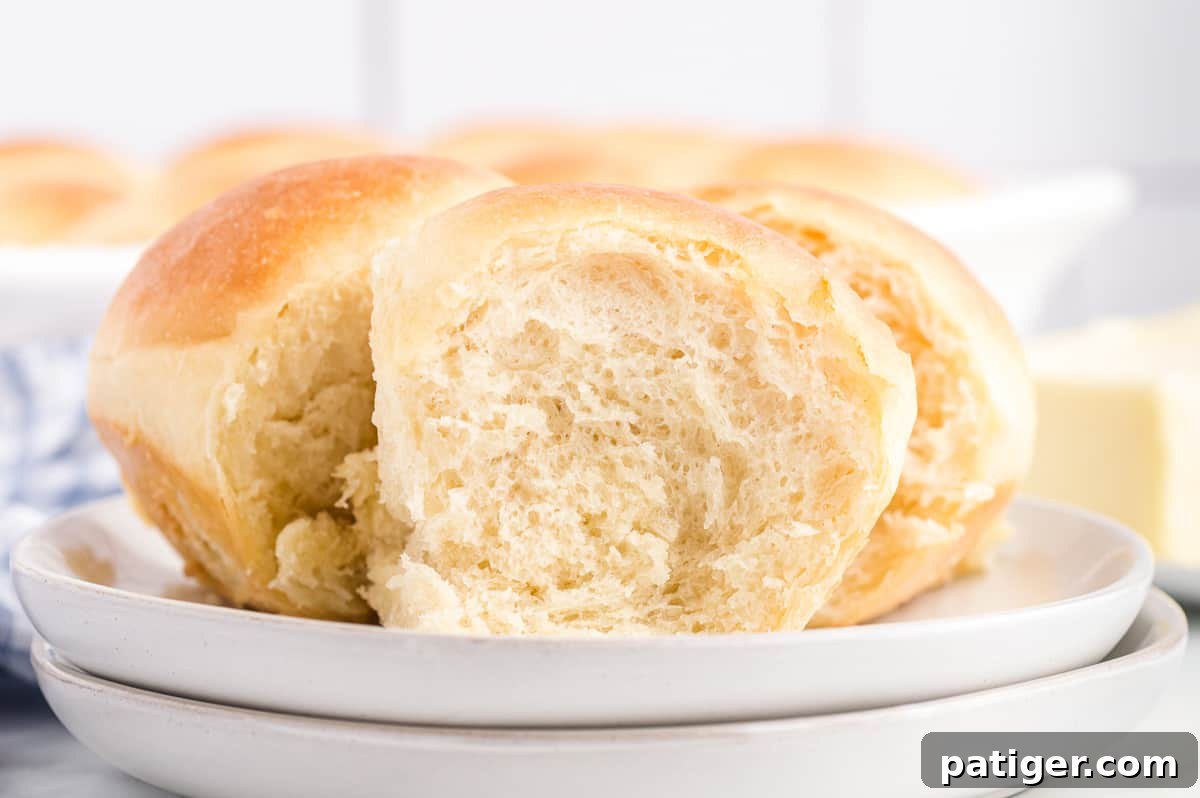
- Countertop Storage: Once your potato dinner rolls have cooled completely to room temperature (this is crucial to prevent condensation), transfer them to a resealable plastic bag or an airtight container. Press out as much air as possible before sealing tightly. Stored this way, they will remain wonderfully fresh, soft, and delicious for 2-3 days at room temperature.
- Freezer Storage: For extended enjoyment beyond a few days, potato rolls freeze beautifully. After they are fully cooled, wrap each roll individually in a layer of plastic wrap, followed by an additional protective layer of aluminum foil. This double-layer protection is vital for preventing freezer burn. Place the wrapped rolls into a larger freezer-safe bag or container, removing any excess air. They can be stored in the freezer for up to 3 months without compromising quality.
- Thawing & Reheating: To thaw, simply remove the desired number of frozen rolls and let them come to room temperature on the countertop for a few hours. For that irresistible ‘fresh-from-the-oven’ experience, you can reheat thawed rolls in a preheated oven at 300°F (150°C) for about 5-10 minutes, or until they are warmed through and fragrant. A quick zap in the microwave for 15-30 seconds can also work for individual rolls, but be careful not to overheat, which can unfortunately make them tough.
Beyond being a perfect side, leftover mashed potato rolls are incredibly versatile – enjoy them on their own, slathered with butter or your favorite jam, as a hearty side with dinner or soup, or get creative by using them to make mini sandwiches, savory croutons for salads, or even a decadent French toast casserole for breakfast!
Frequently Asked Questions About Potato Rolls (FAQ)
A potato roll is a delightful type of yeast-leavened dinner roll where a significant portion of the wheat flour is replaced with potatoes, most commonly creamy mashed potatoes or potato flakes. This unique substitution is the secret behind their distinctive qualities: an exceptionally soft, fluffy, and tender texture, often accompanied by a subtle sweetness and a moist crumb that stays fresh longer than traditional flour-only rolls. It’s a fantastic way to add moisture and a unique flavor profile to your bread.
Like most homemade baked goods, these potato rolls are made without artificial preservatives, so they have a shorter shelf life compared to their store-bought counterparts. At room temperature, stored in a properly sealed airtight container or bag, they will typically stay wonderfully fresh and soft for 2-3 days. For extended storage, they are an excellent candidate for freezing, where they can maintain their quality for up to 3 months. Always ensure they are completely cooled before storing to prevent any undesirable condensation and potential sogginess.
Yes, absolutely! If you don’t have a cup of leftover mashed potatoes readily available, instant mashed potatoes are a fantastic and highly convenient substitute. Simply prepare them according to the package directions, ensuring they are plain and unseasoned, and allow them to cool completely to room temperature before incorporating them into the dough mixture. The resulting texture and flavor of your potato rolls will still be excellent and incredibly satisfying.
For making mashed potatoes specifically to be incorporated into rolls, starchy potatoes like Russet (also known as Idaho potatoes) or Yukon Gold are ideal. These varieties mash up beautifully, creating a light and fluffy consistency without becoming gummy, which translates directly to a superior, tender roll texture in your finished potato bread. Avoid waxy potatoes, as they can result in a denser, less desirable texture.
Yes, with a few thoughtful substitutions, you can certainly adapt this recipe to be dairy-free. You can replace the whole milk with a plain, unsweetened non-dairy milk alternative (such as almond milk, soy milk, or oat milk). For the unsalted butter, use a good quality dairy-free butter alternative or vegetable shortening. While the texture may vary ever so slightly from the original, the rolls will still be wonderfully delicious and incredibly soft.
Yes, this recipe is quite amenable to being prepared ahead of time, which is perfect for busy schedules! After the first rise, you can gently punch down the dough, shape the rolls into balls, and then place them in the prepared baking dish. Cover the dish tightly with plastic wrap and refrigerate overnight (up to 24 hours). The next day, remove them from the refrigerator about 1-2 hours before you plan to bake them, allowing them to come to room temperature and complete their second rise before baking as directed.
Several factors can contribute to dense rolls or a lack of proper rise. The most common reasons include using inactive or expired yeast (always proof your yeast!), water that is either too hot (which can kill the yeast) or too cold (which inhibits its activity), insufficient kneading time (proper gluten development is crucial for a good rise), an environment that is too cold for the dough to rise effectively, or adding too much flour, resulting in a stiff, dry dough. Double-check your yeast’s expiry date and water temperature, and ensure your dough has the correct tacky consistency. Remember, patience is a virtue when working with yeast doughs!
More Tasty Bread Recipes to Explore
If you loved these potato rolls, you might enjoy trying these other delicious bread recipes:
- Flaky Homemade Buttermilk Biscuits
- Authentic Irish Soda Bread
- Easy 7-up Biscuits with Bisquick
- Pull-Apart Herb Bread with Biscuit Dough
- Homemade Italian Seasoned Bread

The Best Homemade Potato Rolls
Author: Jaclyn
2
20
20
2
40
16
Ingredients
- ½ cup water
- 2 ¼ teaspoons active dry yeast, or 1 package
- ⅓ cup + 1 Tablespoon granulated sugar, divided
- 1 cup leftover mashed potatoes, room temperature
- ⅓ cup whole milk
- ½ cup unsalted butter, melted and cooled + extra for topping
- 2 large eggs, room temperature
- 2 teaspoons fine sea salt
- 5 cups all-purpose flour
Instructions
-
Add the water to a large measuring cup or small bowl and heat in the microwave for 15-20 seconds. Stir in the yeast and 1 Tablespoon granulated sugar. Set aside in a warm area to proof for 5 minutes.
-
When the yeast has proofed, pour it into the bowl of a stand mixer and add the remaining ⅓ cup granulated sugar, potatoes, whole milk, unsalted butter, eggs, and sea salt. Using a dough hook, mix until well-combined.
-
Add in the all-purpose flour and mix on medium-low for 5-6 minutes. The dough should form a ball around the dough hook and completely pull away from the sides of the bowl.
-
While the dough is mixing, preheat your oven to 170° F and then turn off the oven when it has heated.
-
Lightly spray a large mixing bowl with non-stick cooking spray and add your ball of dough to the prepared bowl. Flip the dough over and cover with a damp kitchen towel or plastic wrap and allow to rise in the warm oven for 1 hour. It should be almost doubled in size.
-
Lightly spray a 9×13 inch baking dish with non-stick cooking spray and set aside.
-
Turn the dough out onto a lightly floured surface and cut into 16 equal-sized pieces. Roll each piece into a ball and place it into the prepared baking dish. Cover the dish and allow the rolls to rise for 1 hour in the warm oven. *If your oven has cooled you can preheat it again while you shape the rolls and turn it off when you’re ready to put them in to rise.
-
Preheat the oven to 350° F. *Be sure to remove the rolls first if you are letting them rise in the oven!
-
Bake for 20-22 minutes, or until golden brown.
-
Brush with melted butter before serving.
Notes
Store in an airtight bag for up to 3 days at room temperature. For longer storage, you can freeze the rolls for up to 3 months.

Did You Make This Recipe?
Share it with me on Instagram @crayonsandcravings and follow on Pinterest @crayonsandcravings for even more!
Pin Recipe