
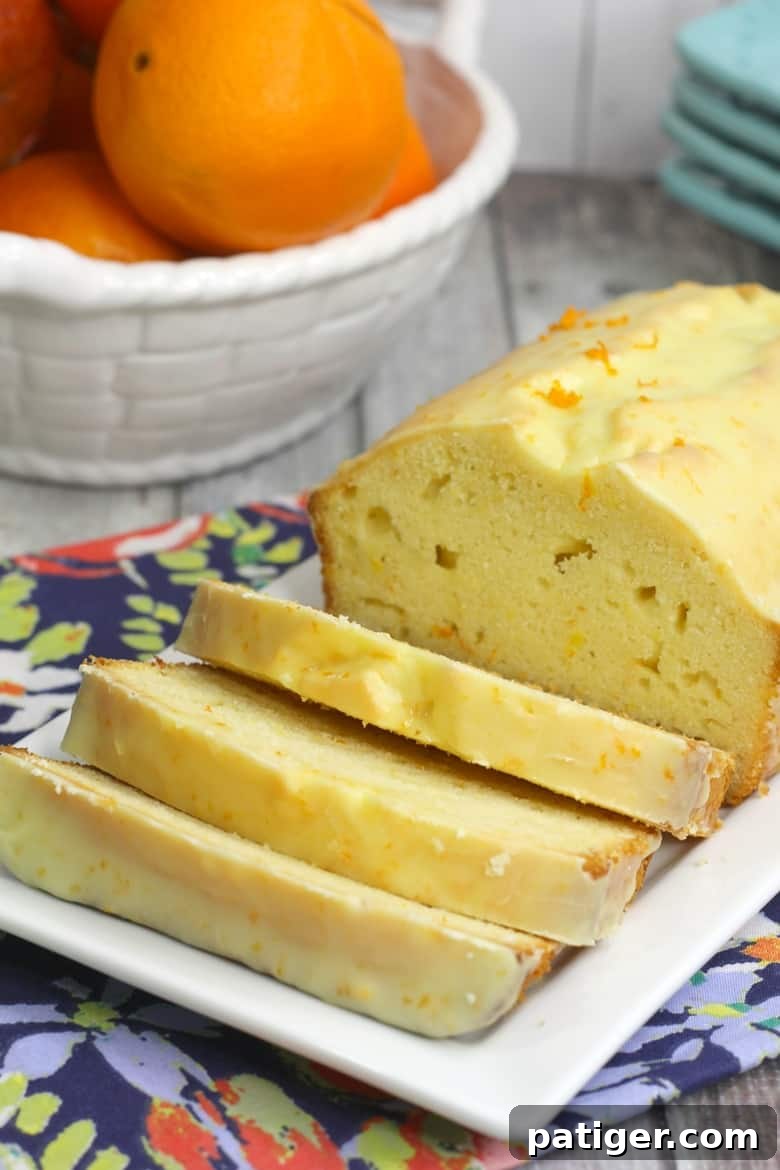
Welcome to a world where vibrant citrus zest meets tender, moist crumb in a dessert that’s as comforting as it is exhilarating: the classic orange loaf cake. This delightful treat is everything you could possibly desire in a citrusy indulgence—it’s incredibly moist, boasts a wonderfully tender texture, and is bursting with the bright, fresh essence of oranges in every single bite. If you’re searching for a simple yet sophisticated cake that’s perfect for any occasion, look no further than this glazed orange loaf cake. Its effortless charm and irresistible flavor are guaranteed to make it a new favorite in your kitchen.
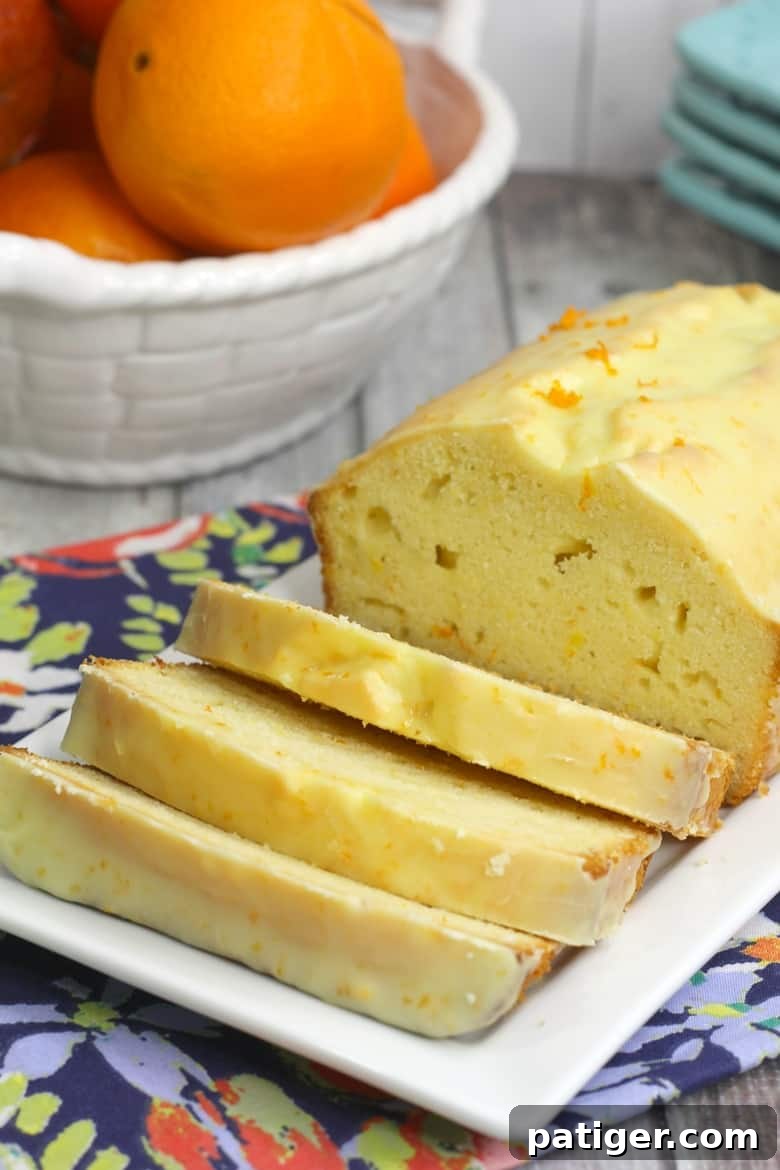
There’s an undeniable magic that happens when you bake with fresh oranges. The mere act of zesting releases a wave of invigorating aroma that instantly fills your kitchen, transforming it into a haven of sweet, sunny scents. It’s an uplifting experience that not only makes your home smell incredible but also promises a finished product that tastes just as amazing. This easy orange cake recipe, sometimes affectionately referred to as “mimosa bread” for its bright, celebratory flavor, is a simple pleasure that fits seamlessly into any part of your day. It’s perfect for a leisurely Sunday brunch, an elegant afternoon snack alongside a cup of tea, or even as a light, refreshing dessert to cap off a delightful dinner. Topped with a luscious, sweet orange glaze, this orange bread is not only incredibly easy to prepare but also notoriously hard to resist, disappearing from plates almost as quickly as it’s made.
If you find yourself captivated by the enchanting flavor of orange, you’ll be thrilled to explore more sweet citrus sensations. Beyond this loaf cake, consider trying other delightful recipes like our orange fluff salad, a light and airy concoction; the wonderfully moist orange juice cake; or the nostalgic and creamy orange creamsicle dessert. Each offers a unique way to enjoy the vibrant taste of this beloved fruit.
Why You Will Adore This Orange Loaf Cake Recipe
This orange loaf cake isn’t just another dessert; it’s an experience waiting to happen, crafted to bring joy with every slice. Here’s why this recipe is destined to become a beloved staple in your baking repertoire:
- Effortless Preparation: This is a genuinely easy recipe that relies on simple, readily available ingredients. You don’t need fancy culinary skills or specialized equipment to achieve outstanding results.
- No Mixer Required: Forget about dragging out heavy stand mixers or even a hand mixer! All you need is a good whisk and a couple of bowls, making cleanup a breeze and the baking process entirely stress-free.
- Authentic Fresh Orange Flavor: We harness the true essence of citrus by incorporating both fresh orange juice and vibrant orange zest. This combination infuses every bite with a bright, unparalleled orange flavor that tastes incredibly fresh and natural.
- Remarkably Versatile: Whether you’re planning a lavish brunch, seeking a satisfying afternoon snack, or need a delightful light dessert after dinner, this orange loaf cake fits every occasion. It’s truly a multi-purpose sweet treat.
- Decadent Sweet Orange Glaze: The simple yet spectacular orange glaze takes this loaf cake from delicious to absolutely irresistible. It adds a perfect touch of sweetness and an extra layer of zesty flavor, creating a beautiful finish and an explosion of taste.
- Moist and Tender Texture: Thanks to the thoughtful balance of ingredients, including Greek yogurt, this loaf cake boasts an incredibly moist and tender crumb that practically melts in your mouth. Say goodbye to dry, crumbly cakes!
- Wonderful Aroma: The process of baking this orange loaf cake will fill your home with an intoxicating citrus aroma, creating a welcoming and cozy atmosphere that’s almost as good as the cake itself.
From its ease of assembly to its dazzling flavor, this orange loaf cake is a true winner that will delight both bakers and eaters alike.
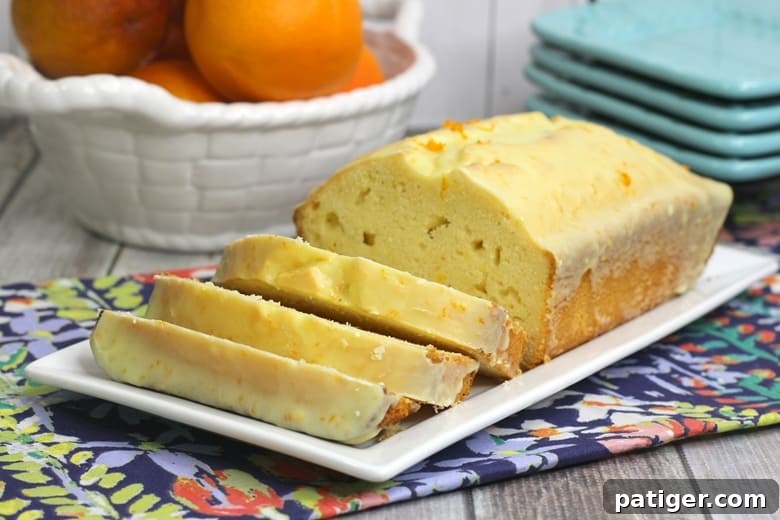
Unlocking the Full Flavor: The Magic of Oranges in Baking
The secret to an extraordinary orange loaf cake lies in harnessing the full potential of fresh oranges. Using both the zest and the juice ensures a multi-dimensional flavor profile that artificial extracts simply cannot replicate. Orange zest is packed with essential oils, which carry the most concentrated citrus flavor and aroma. When grated finely, these oils infuse the cake batter with a bright, tangy essence that’s both invigorating and comforting. Meanwhile, fresh orange juice contributes natural sweetness, acidity, and moisture, ensuring a tender crumb and a balanced taste that prevents the cake from being overly sweet.
When selecting oranges for this recipe, opt for ripe, firm fruit with vibrant, unblemished skins. Navel oranges are a popular choice due to their sweetness and ease of peeling, but Valencia oranges also work wonderfully, especially for their abundant juice. For a subtle variation, you could even experiment with blood oranges to add a beautiful pink hue and a slightly berry-like undertone to your cake. Always wash your oranges thoroughly before zesting to remove any waxes or residues. The effort of using fresh oranges is minimal compared to the incredible depth of flavor and irresistible aroma they impart, making this orange loaf cake a truly gourmet experience.
Essential Ingredients and Their Role
Every ingredient in this orange loaf cake plays a crucial part in achieving its perfect texture and vibrant flavor. Understanding their roles can help you create the best possible cake:
- All-purpose flour: Provides the fundamental structure for the cake. Measuring correctly is key to avoiding a dense or dry loaf.
- Baking powder: This leavening agent gives the cake its lift and tender crumb, reacting with the wet ingredients to create air pockets.
- Salt: A small amount of salt enhances all the other flavors, particularly the sweetness and the citrus notes, preventing the cake from tasting flat.
- Large eggs: Eggs bind the ingredients together, add richness, and contribute to the cake’s structure and moisture. Using them at room temperature helps them incorporate more evenly into the batter.
- Plain Greek yogurt: A star ingredient for moisture and tenderness! Greek yogurt adds a lovely tang that complements the orange, while also contributing to the cake’s incredibly soft and moist texture without adding excessive fat. Full-fat Greek yogurt will yield the richest result.
- Granulated sugar: Provides sweetness and helps create that desirable golden-brown crust. It also contributes to the overall moisture of the cake.
- Coconut oil, melted: Adds moisture and a delicate richness to the cake. Melted and cooled coconut oil integrates seamlessly into the batter. If you’re not a fan of coconut oil, melted and cooled unsalted butter or a neutral vegetable oil (like canola or grapeseed) can be excellent substitutes, each imparting a slightly different nuance to the flavor and texture.
- Orange zest: The powerhouse of orange flavor! The oils in the zest provide the most intense and aromatic citrus notes. Always use fresh zest for the best results, ensuring you only grate the bright orange part and avoid the bitter white pith.
- Pure vanilla extract: A touch of vanilla complements the orange beautifully, adding a warm, subtle undertone that rounds out the overall flavor profile.
These carefully selected ingredients work in harmony to produce a loaf cake that is not only delicious but also remarkably balanced in flavor and texture.
Mastering the Art of Orange Loaf Cake: Expert Tips for Success
Achieving a perfectly moist, flavorful, and beautifully glazed orange loaf cake is surprisingly simple when you follow a few key tips. These insights will help you bake like a pro and ensure your cake turns out flawless every time:
- Embrace Fresh Orange Zest: This is arguably the most crucial tip for maximizing flavor. The zest contains the potent essential oils of the orange, which deliver an intense, bright citrus punch. Always use a fine grater or a microplane to zest only the bright orange part of the peel, avoiding the bitter white pith underneath. Fresh zest makes all the difference!
- Do Not Overmix the Batter: Once you combine the wet and dry ingredients, mix just until they are incorporated and no streaks of flour remain. Overmixing develops the gluten in the flour, leading to a tough, dry, and chewy cake rather than a tender, moist one. A few small lumps are perfectly fine and often result in a more tender crumb.
- Allow the Loaf to Cool Completely Before Glazing: Patience is a virtue when it comes to glazing! Pouring the glaze over a warm or hot cake will cause it to melt and absorb into the cake, creating a soggy top and an uneven, messy finish. Let the loaf cool entirely on a wire rack to room temperature; this allows the glaze to set beautifully into a smooth, shiny, and flavorful coating.
- Use Room-Temperature Eggs: Eggs at room temperature emulsify more effectively with other ingredients like oil and yogurt. This creates a smoother, more homogenous batter, which in turn leads to a more evenly baked and consistently textured cake. If your eggs are cold, simply place them in a bowl of warm water for 5-10 minutes before using.
- Adjust Glaze Consistency as Needed: The ideal glaze consistency is thick enough to coat the back of a spoon but still pourable, creating a beautiful drip down the sides of the cake. If your glaze is too thick, add a tiny bit more orange juice (¼ teaspoon at a time). If it’s too thin, whisk in a little more confectioners’ sugar until you reach your desired consistency.
- Proper Pan Preparation: To prevent sticking and ensure easy removal, always grease and flour your loaf pan thoroughly, or line it with parchment paper, leaving an overhang on the longer sides to use as “handles” for lifting the cooled loaf out of the pan.
- Test for Doneness: Baking times can vary depending on your oven. To check if your loaf cake is done, insert a wooden skewer or toothpick into the center. It should come out clean or with just a few moist crumbs attached. If it comes out with wet batter, continue baking for a few more minutes and retest.
By following these expert tips, you’re well on your way to baking a truly exceptional orange loaf cake that will impress everyone who tries it.
Creative Additions, Substitutions, and Variations for Your Orange Loaf Cake
While this orange loaf cake recipe is perfect as is, it’s also wonderfully adaptable! Feel free to get creative with these additions and substitutions to tailor it to your taste preferences or dietary needs:
- Oil Alternatives: If coconut oil isn’t your preference, you can easily substitute it with an equal amount of vegetable oil for a neutral flavor, or use melted and cooled unsalted butter for a richer, more classic butter cake flavor.
- Chocolate-Orange Twist: For a match made in heaven, fold in ½ to ¾ cup of mini chocolate chips or finely chopped dark chocolate into the batter. The bittersweet chocolate perfectly complements the bright orange.
- Add Nuts for Crunch: Incorporate ½ cup of chopped walnuts, pecans, or almonds into the batter for a delightful textural contrast and nutty flavor. Toasting the nuts lightly before adding them will enhance their flavor even further.
- Tropical Flair with Shredded Coconut: For an exotic twist, mix in ½ cup of shredded unsweetened coconut to the batter. The coconut adds a lovely chewiness and a subtle tropical note that pairs beautifully with orange.
- Spices: A pinch of cinnamon, nutmeg, or even ground cardamom can add warmth and complexity to the orange flavor. Start with ¼ teaspoon and adjust to taste.
- Citrus Blends: Experiment with adding zest from other citrus fruits like lemon or lime along with the orange zest for a more complex and tangy profile.
- Dried Fruits: Dried cranberries or finely diced dried apricots can add bursts of fruity flavor and chewiness to the loaf.
- Extra Zest in Glaze: For an even more intense orange flavor in your glaze, increase the amount of orange zest or add a tiny drop of orange extract (if desired) in addition to fresh juice.
These variations allow you to personalize your orange loaf cake, ensuring it’s always a fresh and exciting treat!
More Delicious Breads and Cakes to Satisfy Your Sweet Cravings
If you’ve fallen in love with the comforting simplicity and exquisite flavor of this orange loaf recipe, you’ll be thrilled to explore more of our favorite fruity breads and cakes. Each recipe is designed to bring a touch of sweetness and joy to your kitchen:
- Strawberry Yogurt Pound Cake: A delightful twist on a classic, offering juicy strawberry flavor and a wonderfully moist texture thanks to yogurt.
- Lemon Icebox Cake: A no-bake dream, this cake is light, tangy, and incredibly refreshing, perfect for warmer days.
- 3 Ingredient Banana Bread: Unbelievably easy and delicious, this recipe proves you don’t need many ingredients for a comforting treat.
- Lemon Blueberry Dump Cake: Simple to assemble and bursting with fruity flavor, this cake is a crowd-pleaser with minimal effort.
Dive into these recipes and discover new favorites to share with family and friends!
Orange Loaf Cake Recipe

Author: Jaclyn
Rating: 4.73 out of 5 stars (based on 11 votes)
Bright, moist orange loaf cake with fresh orange zest and a sweet glaze. An easy orange bread recipe perfect for breakfast or dessert.
Prep time: 15 mins
Cook time: 50 mins
Total time: 1 hr 5 mins
Servings: 8
Pin Recipe
Leave A Review
Equipment
- Wire Cooling Rack
- 9 x 5 inch Loaf Pan
Ingredients for the loaf
- 1 ½ cup all-purpose flour
- 2 teaspoons baking powder
- ½ teaspoon salt
- 2 large eggs
- 1 cup plain Greek yogurt
- 1 cup granulated sugar
- ½ cup coconut oil, melted
- 2 tsp orange zest
- ½ tsp pure vanilla extract
Ingredients for the glaze
- ⅓ cup confectioners sugar
- 2 Tablespoons fresh squeezed orange juice
- 1 Tablespoon orange zest
Instructions
- Preheat the oven to 350℉ (175°C). Prepare a 9×5 inch loaf pan by greasing and flouring it, or lining it with parchment paper, leaving an overhang on the long sides for easy removal.
- In a medium mixing bowl, whisk together the all-purpose flour, baking powder, and salt until they are well combined. Set this dry mixture aside.
- In a separate large bowl, whisk together the room-temperature eggs, plain Greek yogurt, granulated sugar, melted coconut oil, fresh orange zest, and pure vanilla extract until the mixture is smooth and evenly combined.
- Gradually add the dry ingredients to the wet ingredients, mixing gently with a whisk or spatula until just combined and smooth. Be careful not to overmix the batter, as this can lead to a tough loaf. A few small lumps are acceptable.
- Pour the prepared batter evenly into the loaf pan. Bake for 45-55 minutes, or until a wooden skewer or toothpick inserted into the center of the loaf comes out clean or with only a few moist crumbs attached.
- Once baked, remove the loaf pan from the oven and allow the cake to cool in the pan for 10 minutes. This helps the cake firm up before transferring.
- Carefully lift the loaf out of the pan using the parchment paper overhangs (if used) or gently invert it onto a wire cooling rack. Let it cool completely to room temperature before applying the glaze.
- While the loaf is cooling, prepare the glaze: In a small bowl, whisk together the confectioners’ sugar, fresh squeezed orange juice, and 1 Tablespoon of orange zest until the mixture is smooth and has a pourable consistency. If too thick, add more juice a tiny bit at a time; if too thin, add more sugar.
- Once the orange loaf cake is completely cool, evenly pour the prepared glaze over the top. Allow the glaze to set for a few minutes before slicing and serving this delightful citrus treat.
Notes on Storage
To keep your orange loaf cake fresh, store it in an airtight container or wrap it tightly with plastic wrap. It will remain delicious at room temperature for up to 2 days, or you can refrigerate it for up to 4 days. For longer storage, the unfrosted loaf can be wrapped well and frozen for up to 3 months. Thaw at room temperature and then glaze before serving.
Nutrition Information (per serving)
Calories: 350kcal | Carbohydrates: 50g | Protein: 6g | Fat: 15g | Saturated Fat: 12g | Polyunsaturated Fat: 1g | Monounsaturated Fat: 1g | Trans Fat: 0.01g | Cholesterol: 42mg | Sodium: 277mg | Potassium: 88mg | Fiber: 1g | Sugar: 31g | Vitamin A: 75IU | Vitamin C: 4mg | Calcium: 99mg | Iron: 1mg

Did You Make This Zesty Orange Loaf Cake?
We absolutely love seeing your culinary creations! If you whipped up this delightful orange loaf cake, we invite you to share your masterpiece with our community. Tag us on Instagram @crayonsandcravings so we can admire your baking skills. And for even more inspiring recipes, behind-the-scenes glimpses, and kitchen tips, be sure to follow us on Pinterest @crayonsandcravings. Your participation helps spread the joy of baking!
Pin This Recipe |
Leave Your Review