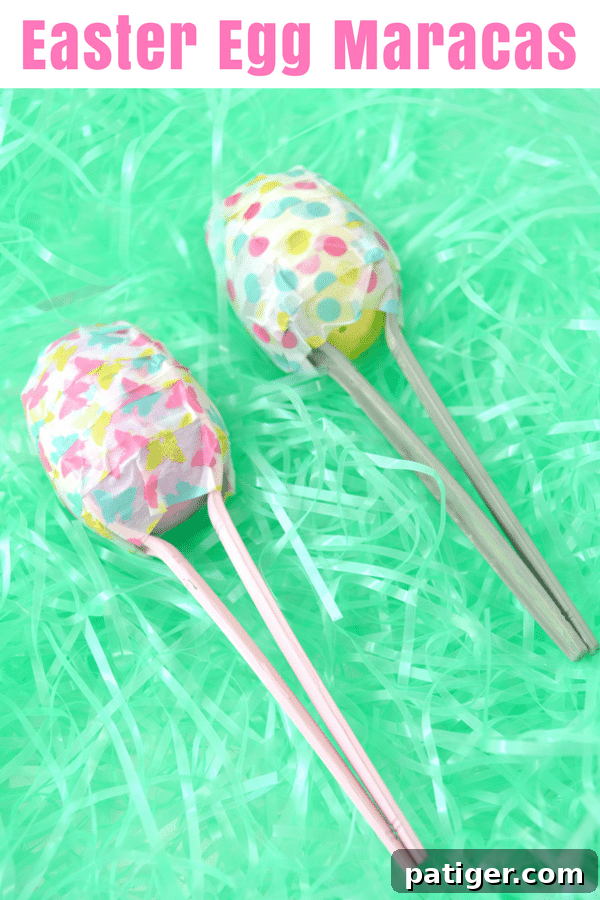
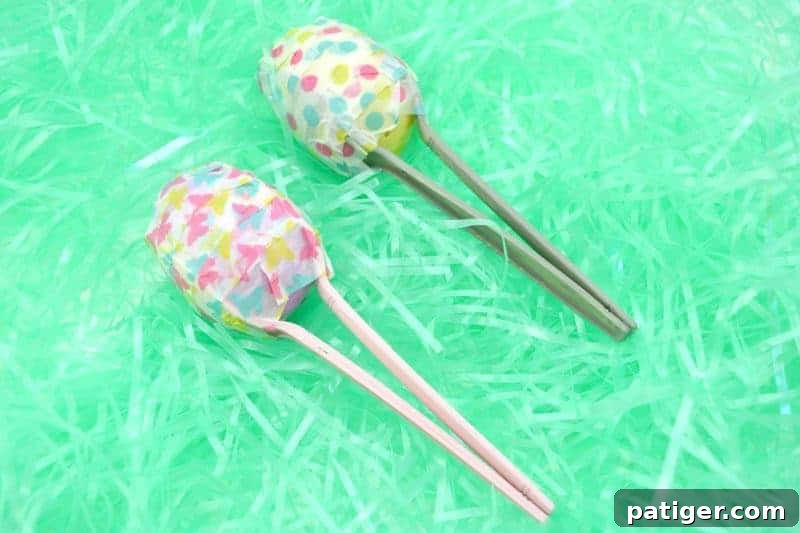
Unlock a world of rhythm and creativity for your little ones with these delightful DIY Easter Egg Maracas! Perfect for toddlers and preschoolers, this engaging craft transforms ordinary plastic Easter eggs and plastic spoons into vibrant, personalized musical instruments. Not only is it an incredibly easy project to tackle, but it also offers a fantastic way to repurpose those leftover eggs from the seasonal hunt, giving them a new life filled with music and joy. Imagine the smiles as your children shake their handmade maracas, grooving to their favorite tunes or inventing their own catchy beats. This simple activity is more than just a craft; it’s an opportunity for sensory exploration, fine motor skill development, and a memorable bonding experience for the whole family. Dive into our step-by-step tutorial below and get ready to create some joyful noise!
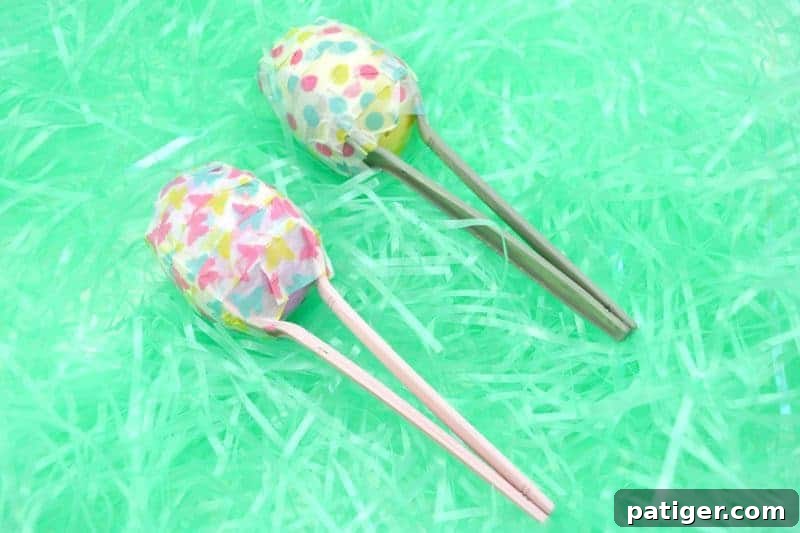
Are you wondering what to do with the abundance of plastic Easter eggs left over after the spring festivities? Instead of tucking them away for another year or, worse, letting them clutter up your craft drawer, transform them into something truly special and engaging! These DIY Easter egg maracas are not only incredibly fun and easy to make, but they also utilize materials you likely already have tucked away in your kitchen cupboard or craft stash. It’s a wonderfully sustainable way to extend the holiday cheer while encouraging creative play.
Your children will absolutely adore shaking their newly crafted maracas. Whether they’re dancing to the beat of their favorite nursery rhymes, adding a percussive element to family sing-alongs, or inventing entirely new melodies and rhythms, these homemade instruments will provide endless entertainment. They offer a fantastic outlet for self-expression and musical exploration, making them a beloved toy long after Easter has passed.
Check out our detailed, step-by-step guide below so that you and your little ones can easily create these exciting DIY musical instruments. Let the crafting and music-making begin!
Why Make Easter Egg Maracas? Unlocking Developmental Benefits
Beyond the sheer fun of creating something with their own hands, crafting Easter egg maracas offers a wealth of developmental benefits for young children. For toddlers and preschoolers, engaging in hands-on activities like this helps to refine their fine motor skills as they manipulate tape, fill eggs, and position spoons. It encourages hand-eye coordination and spatial awareness, essential skills for future learning.
The act of shaking the maracas introduces them to basic concepts of rhythm and sound, fostering an early appreciation for music and helping to develop auditory processing. Children can explore different sounds by varying the fillings, turning this simple craft into a fascinating sensory exploration. Moreover, the freedom to choose colors and patterns for their maracas sparks creativity and allows for self-expression, resulting in a unique instrument that they will be proud to play. These homemade instruments also promote imaginative play, whether they’re leading a pretend parade, putting on a mini-concert for the family, or simply exploring cause and effect through sound and movement.
What You Will Need: Gathering Your Crafting Treasures
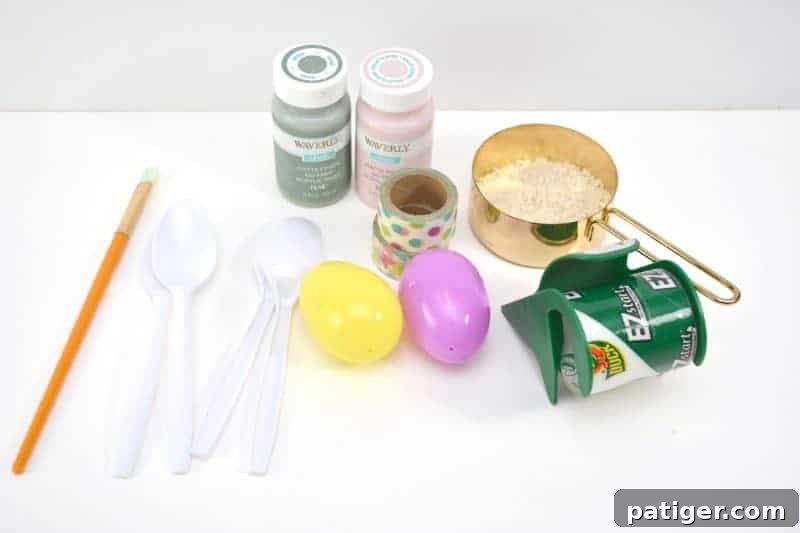
One of the best aspects of this DIY maraca project is that it often utilizes materials you already have around the house, making it an eco-friendly and budget-conscious activity. Before you begin, gather your crafting treasures from the list below. Don’t worry if you don’t have every item exactly as specified; we’ll also suggest some fantastic alternatives to help you get started right away!
- Washi Tape in Easter / Spring Colors: Washi tape is ideal for its vibrant colors, intricate patterns, and ease of use. It’s particularly forgiving for little hands and adheres well to plastic surfaces. Feel free to use any decorative tape you have, or even colorful masking tape if washi tape isn’t available. The more variety, the more personalized and exciting each maraca will be!
- Plastic Easter Eggs: These are the stars of our show! Any size will work, but standard-sized hinged eggs are generally the easiest for children to handle and for adults to seal securely. This is a wonderful, resourceful way to give those post-Easter hunt eggs a second life instead of letting them sit in a drawer or, worse, end up in the trash.
- Plastic Spoons: You’ll need two spoons per maraca to form the handle and head. Standard disposable plastic spoons work perfectly. You could also experiment with sturdy wooden craft sticks or even small, thin dowels, though securing them might require a stronger adhesive like hot glue (adult supervision recommended).
- Craft Paint & Paintbrush (Optional): If you want to add an extra splash of color and personalization to your maraca handles, craft paint is a great option. Acrylic paints or chalk paints adhere particularly well to plastic. This step also adds another layer of creative expression for older children who enjoy painting.
- Rice, Beans, Beads, or Other Small Items: This is where the magic happens and the sound is created! Different fillings produce distinct sounds, offering a fantastic opportunity for sensory exploration and auditory differentiation.
- Rice: Creates a soft, gentle, shushing sound, reminiscent of a rainstick.
- Dried Beans (e.g., black beans, lentils, pinto beans): Produces a louder, more robust, and percussive rattle.
- Small Beads or Pasta (e.g., orzo, tiny stars): Can offer a sharper, more distinct clicking or tinkling sound.
- Popcorn Kernels or Small Pebbles: Experiment with these for varied textures and volumes, creating a deeper, more resonant sound.
Just ensure whatever you choose is small enough to fit inside the egg and, crucially, safe for little ones (especially if they are prone to putting things in their mouths – always ensure adult supervision and secure sealing!).
Order Your Supplies Online:
If you need to purchase any of the materials for your DIY Easter egg maracas, here are some convenient links to help you gather everything you need quickly and easily:
- Plastic Cutlery Disposable Teaspoons
- Plastic Easter Eggs (24 Pack)
- Washi Tape Set, 40 Rolls
- FolkArt Home Decor Chalk Furniture & Craft Paint
How to Make DIY Easter Egg Maracas: A Step-by-Step Guide
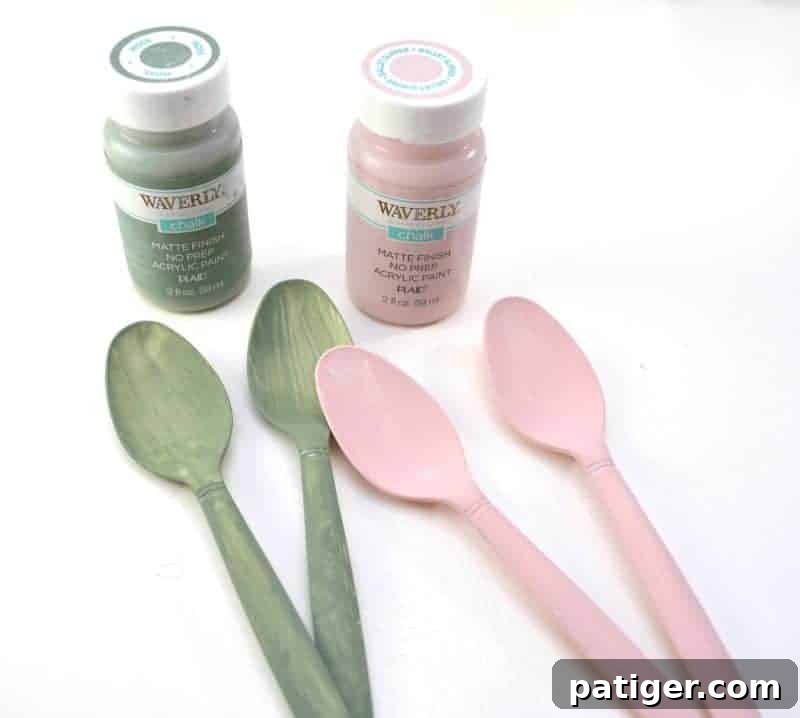
1. Prepare Your Spoons (Optional but Recommended for Extra Flair):
If you’ve decided to paint your plastic spoons, now’s the time to unleash your inner artist! Choose bright, cheerful colors that complement your washi tape or let your child pick their favorites. Apply a thin, even coat of craft paint to the handles of your plastic spoons. We found that chalk paint works wonderfully for plastic surfaces as it dries quickly, offers excellent coverage in just one coat, and leaves a lovely matte finish.
Allow the painted spoons to dry completely according to the paint manufacturer’s instructions. This usually takes about 15-30 minutes for quick-drying paints. Ensure they are dry to the touch to prevent smudging during the next steps.
Pro Tip: For a faster craft, or if you prefer the look of plain plastic, feel free to skip this painting step entirely and move directly to step 2!
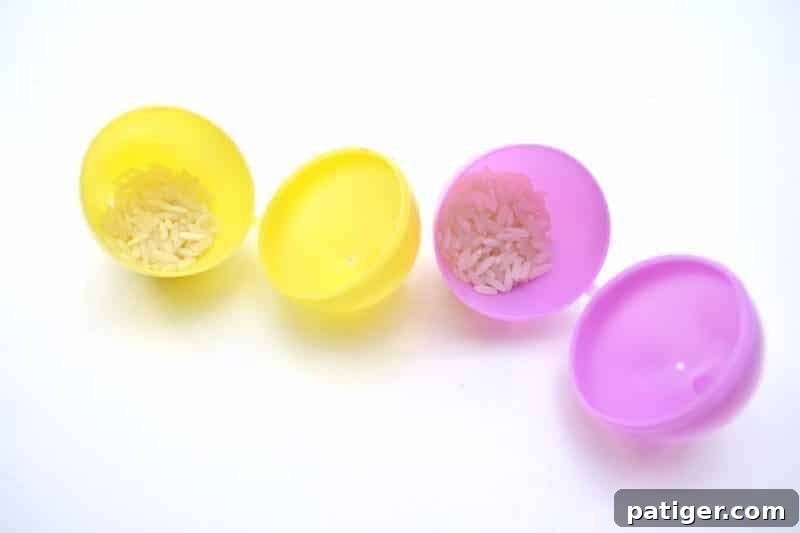
2. Fill Your Easter Egg with Sound:
Carefully open one of your plastic Easter eggs. The goal is to fill one half of the egg about halfway full with your chosen rattling material – be it rice, beans, beads, or small pebbles. The amount you add will influence the sound, so feel free to experiment.
Experiment with Sound: Encourage your child to experiment! Fill one egg with rice, another with beans, and a third with beads to create maracas with distinctly different sounds. This adds an extra layer of sensory exploration to the activity and teaches them about sound variation.
Once filled, securely close the plastic egg. Give it a gentle shake to test the sound. The egg should be about one-quarter full when closed, allowing enough space for the filling to move freely and create a clear, crisp sound. Avoid overfilling, as this can muffle the sound and prevent a good rattle.
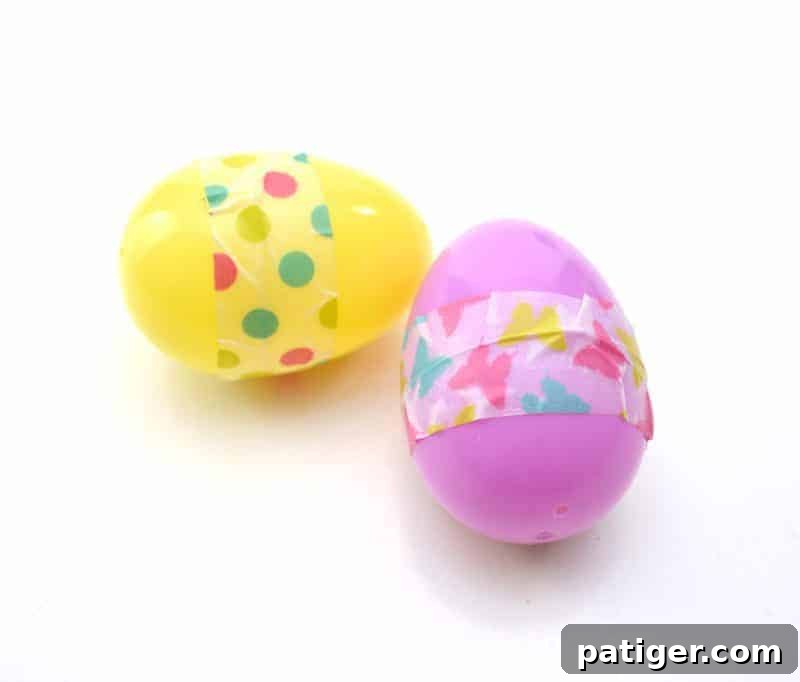
3. Seal the Egg for Secure Play:
To ensure your maraca is durable and safe for enthusiastic shaking, use your colorful washi tape to firmly tape the seam of the plastic egg closed. Wrap the tape around the entire circumference of the egg where the two halves meet. Apply a few layers of tape to make sure the egg stays shut even during vigorous play. This is a crucial step for preventing accidental spills of the internal contents, especially important when crafting with younger children who might put things in their mouths. The tape also adds an extra decorative touch and reinforces the structure!
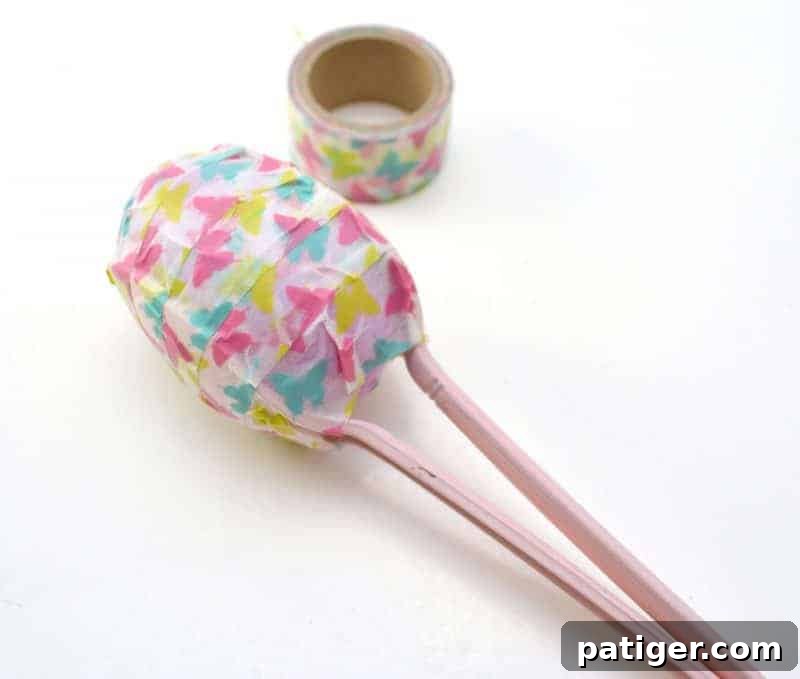
4. Position the Spoons and Egg:
Now take two of your (dry) plastic spoons. Position them so that their concave sides face each other, essentially “hugging” the filled plastic Easter egg snugly between them. The egg should sit securely in the bowl of one spoon, with the other spoon placed on top to complete the spherical head around the egg.
The handles of the spoons will extend downwards, forming the comfortable grip of your maraca. Ensure the egg is centered and stable between the spoons to create a balanced instrument.
5. Wrap and Secure Your Maraca:
Now it’s time to bring your maraca together! Begin wrapping washi tape tightly around the spoons and the egg. Start near the top of the egg and wrap downwards, encircling the egg and both spoon bowls to secure them firmly in place. Continue wrapping the washi tape, overlapping as you go, until the entire plastic egg and the top portion of the spoon bowls are completely covered. You want a smooth, unified surface that effectively forms the head of the maraca. This wrapping not only secures all the components but also adds beautiful patterns and colors to your instrument. Press the tape down firmly, smoothing out any bubbles or wrinkles, to create a neat and secure finish. The more tape you use, the more durable and colorful your maraca will be!
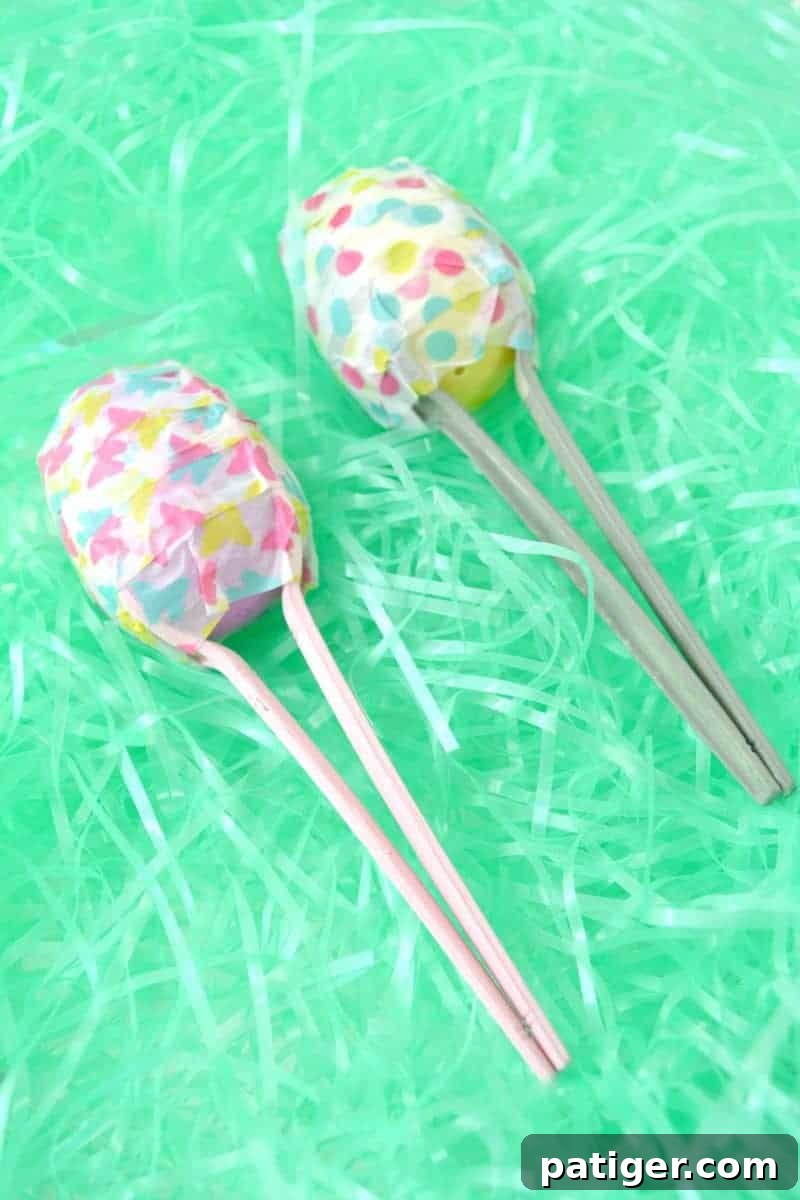
6. Shake, Rattle, and Roll!
Congratulations! Your homemade Easter egg maracas are complete. Hand them over to your little ones and watch their faces light up as they discover the joy of making music with an instrument they helped create!
Encourage them to shake, tap, and experiment with different rhythms. These simple instruments are perfect for impromptu dance parties, sing-alongs, or just adding a musical touch to everyday imaginative play. Let them explore the sounds they can make and encourage their musical creativity.
Creative Variations & Playing Ideas for Endless Fun
Once you’ve mastered the basic Easter egg maraca, the possibilities for customization and musical fun are endless! Here are some ideas to spark even more creativity and enjoyment, turning this simple craft into a springboard for extended play and learning:
- Theme Maracas: Beyond Easter, create maracas for other holidays or themes. Use red and green washi tape for Christmas (perhaps with tiny bells inside!), black and orange for Halloween (add googly eyes!), or blue and white for winter snow shakers.
- Sound Exploration Station: Set up a “sound exploration” station with various fillings (rice, different types of dried beans, small pasta, large beads, small pebbles) and different sized plastic eggs. Let children experiment with filling various eggs to hear the unique sounds each combination makes. Can they guess what’s inside just by listening? This is a fantastic sensory and auditory learning activity.
- Decorate with More: Beyond washi tape, use permanent markers to draw designs on the plastic spoons (if not painted), add glitter glue for sparkle, or attach small pom-poms or ribbons to the handles for extra flair. Just ensure any additions are securely attached and safe for young children.
- DIY Band: Make a collection of maracas with different sounds, and add other homemade instruments like tissue box guitars, paper plate tambourines, or oatmeal container drums to form a full family band! Host a “Family Concert” where everyone gets to play.
- Musical Story Time: Use the maracas to accompany stories or nursery rhymes. Shake them softly for whispering parts, loudly for exciting moments, or to represent various sounds like rain, ocean waves, or a galloping horse. This enhances storytelling and listening skills.
- Dance Party Props: Simply put on some favorite upbeat music and let the kids dance and shake their maracas freely. It’s a wonderful way to encourage movement, rhythm, gross motor skills, and joyful self-expression.
Benefits of Musical Play for Children
Engaging in musical activities from a young age is incredibly beneficial for a child’s overall development. Playing with instruments like these simple maracas can enhance cognitive skills by improving memory and concentration as children try to follow a beat or create their own. It also boosts language development, especially when songs and rhymes are incorporated, expanding vocabulary and phonetic awareness.
Socially and emotionally, making music can be a fantastic outlet for expression, helping children to understand and regulate their feelings. When played with others, it teaches cooperation, turn-taking, and listening skills. Plus, the sheer joy of creating sound and rhythm builds confidence and a sense of accomplishment. These homemade instruments are a perfect, accessible entry point into the wonderful and enriching world of music!
Conclusion
We hope this detailed tutorial inspires you and your family to create a vibrant collection of Easter egg maracas. This simple, engaging craft is not only a fantastic way to bond and have fun, but also a wonderful opportunity to foster creativity, musical appreciation, and fine motor skills in your little ones. Whether you’re making them for an Easter celebration, a rainy-day activity, or just to add some rhythm to your home, these DIY maracas are sure to bring endless smiles and joyful sounds.
Happy crafting, and wishing you and your loved ones a very Happy Easter filled with music, laughter, and cherished memories!
More Fun and Easy Easter Crafts for Kids:
- Easter Bunny Pudding Cups
- Bunny Ears Headband
- Peeps Puffy Paint
Craft Details: Egg Maracas
Author: Jaclyn
Prep time: Approximately 5 minutes
Crafting time: Approximately 5 minutes
Total time: Approximately 10 minutes (excluding paint drying time)
Transform ordinary plastic spoons and vibrant plastic Easter eggs into exciting homemade maracas with this incredibly easy and fun Easter craft, perfect for engaging toddlers and preschoolers.
Yields: 1 Maraca (easily scalable for more!)
Equipment
- Paintbrush (optional)
Supplies
- 2 plastic spoons
- Craft paint suitable for plastic surfaces (optional)
- 1 plastic Easter egg
- Rice, beans, beads, or other small items for filling
- Washi tape in various colors
Instructions
- If you choose to paint your plastic spoons, apply craft paint and allow them to dry completely before proceeding.
- Open a plastic Easter egg and fill one half of it about halfway with your chosen small items (e.g., rice, beans, beads). Close the egg securely. When closed, the egg should be approximately one-quarter full to allow for proper rattling.
- Using washi tape, firmly seal the seam of the closed plastic egg to prevent it from opening during play.
- Take two plastic spoons and position them facing each other, cradling the filled plastic egg snugly between their bowls. The spoon handles should align to form the maraca handle.
- Begin wrapping washi tape tightly around the spoons and the egg, starting near the top of the egg. Continue wrapping until the entire plastic egg and the top portion of the spoon bowls are completely covered and securely held together. Smooth the tape to create a unified, egg-shaped head for the maraca.
- Once assembled, hand the homemade Easter egg maracas to your little ones and let them enjoy shaking and playing with their new musical instrument!
Did You Make This Craft?
Share your amazing creations with us on Instagram @crayonsandcravings and follow us on Pinterest @crayonsandcravings for even more inspiring ideas and crafts!
Pin for Later: