
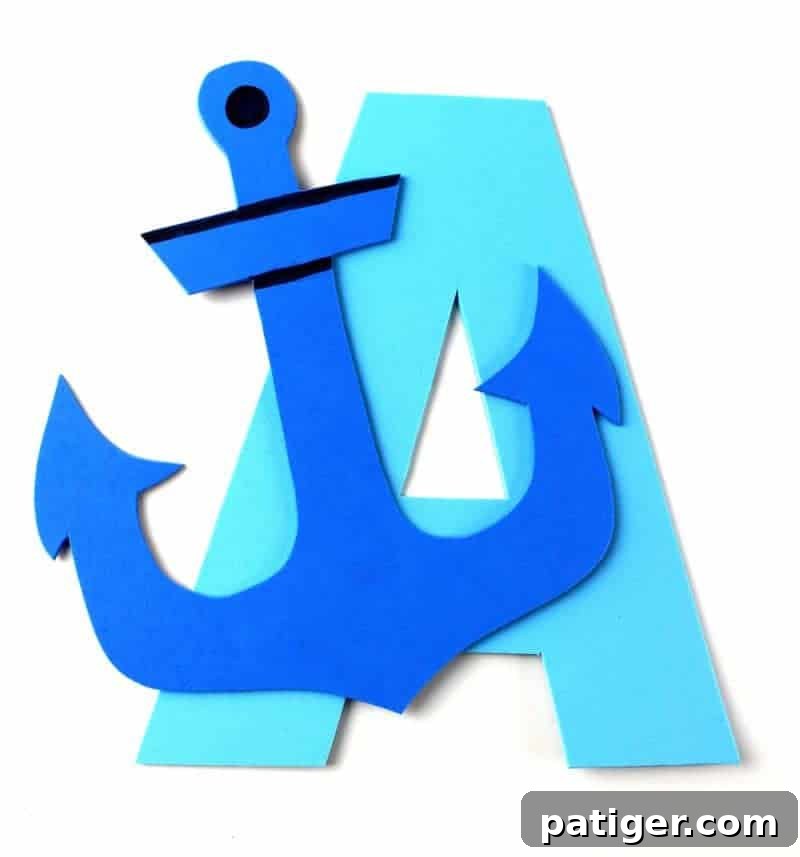
Welcome to our exciting “Letter of the Week” craft series, specially designed for toddlers and preschoolers! We believe that learning the alphabet should be an engaging and hands-on adventure. This week, we dive into the world of the letter ‘A’ with a super fun and educational craft: the ‘A is for Anchor’ project. This creative activity not only helps children recognize the letter A but also introduces them to words that start with this foundational letter, all while developing essential fine motor skills. Get ready to embark on a crafting journey that combines learning, creativity, and plenty of fun!
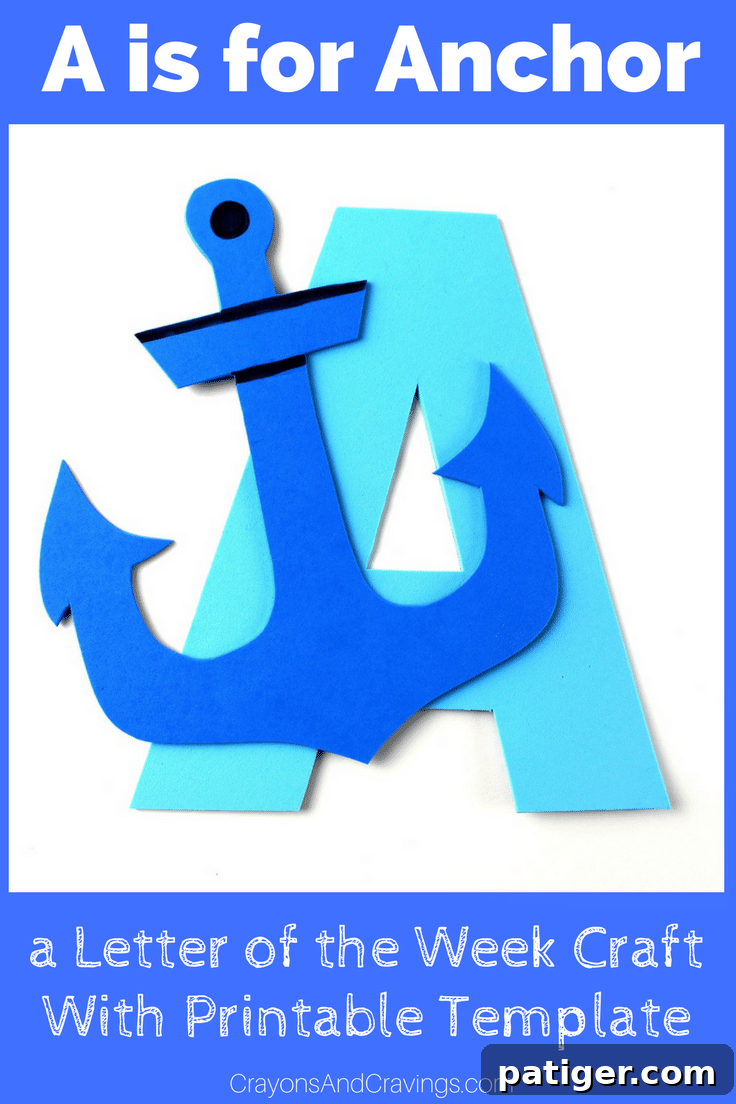
Letter A is for Anchor Craft: Engaging Preschool Alphabet Fun
Our journey through the alphabet begins with the very first letter, ‘A’. To make learning memorable and interactive, we’ve created an adorable anchor craft that perfectly pairs with the sound and shape of the letter A. This project is more than just a craft; it’s a multi-sensory learning experience that reinforces letter recognition, encourages vocabulary expansion, and fosters creativity in young minds. Children will love creating their own sturdy anchor while mastering the letter A.
Why Letter Crafts Are Essential for Early Learning
Engaging in letter-specific crafts offers numerous benefits for toddlers and preschoolers as they begin their educational journey. These activities are a fantastic way to introduce letters in a playful, non-intimidating manner. Here’s why incorporating crafts like our Letter A is for Anchor is so valuable:
- Letter Recognition: By physically interacting with the shape of the letter A, children form a stronger visual memory, making it easier to recognize the letter in books and other contexts.
- Phonological Awareness: Associating the letter A with a word like “anchor” helps children connect the letter to its corresponding sound, a crucial step in developing reading skills.
- Fine Motor Skill Development: Activities like tracing, cutting, and gluing are excellent for strengthening the small muscles in the hands and fingers. These skills are vital for tasks like holding a pencil, writing, and even self-care activities.
- Hand-Eye Coordination: Precision in cutting along lines and accurately placing glue requires good hand-eye coordination, which is honed through repeated practice with crafts.
- Creativity and Self-Expression: Crafts provide an outlet for children to express themselves, make choices about colors and designs, and take pride in their finished product.
- Problem-Solving Skills: Following instructions, even simple ones, helps children develop sequential thinking and problem-solving abilities.
- Parent-Child Bonding: Crafting together creates special moments, encourages communication, and strengthens the bond between parents or caregivers and children.
- Vocabulary Expansion: Introducing new words like “anchor,” along with discussions about what an anchor does and where it’s used, expands a child’s vocabulary and general knowledge.
Adapting the Anchor Craft for Different Age Groups
This particular ‘Letter A is for Anchor’ craft is designed to be adaptable, catering to a range of developmental stages from toddlers to kindergarteners. The level of assistance required will vary significantly based on your child’s age and fine motor skill proficiency. We encourage parents and educators to assess their child’s abilities and provide support accordingly to ensure a positive and enriching experience.
For Toddlers (Ages 2-3): Focus on Gluing and Recognition
For our youngest crafters, the primary goal is letter recognition and the joy of creation. You’ll likely want to handle most of the tracing and cutting yourself. Prepare all the foam or cardstock pieces in advance, so your toddler can focus on the exciting part: gluing! Provide them with the pre-cut letter A and anchor shapes, a safe glue stick, and guide them in assembling the pieces. This approach allows them to participate actively in the final assembly, promoting a sense of accomplishment without the frustration of difficult cutting tasks. Talk about the letter A, the anchor, and its color as they work.
For Preschoolers (Ages 3-4): Developing Scissor Skills with Guidance
Preschoolers are often ready to begin practicing their scissor skills. This craft offers an excellent opportunity for them to trace the letter A and anchor templates onto the craft foam or cardstock. You might still need to provide a helping hand during the tracing phase, demonstrating how to hold the pencil or marker correctly and how to follow the lines. When it comes to cutting, supervise closely and offer assistance as needed. Encourage them to try cutting straight lines first, then guide them around curves. Celebrate their efforts, even if the cuts aren’t perfectly straight, focusing on the process rather than just the outcome.
For Pre-K and Kindergarteners (Ages 4-5+): Fostering Independence
Older preschoolers and kindergarteners are typically more adept with scissors and may be able to tackle more of the cutting and tracing independently. This craft can be a fantastic way for them to further refine their fine motor skills and hand-eye coordination. You can provide them with the templates and materials and encourage them to trace and cut the shapes mostly on their own. They might still appreciate a little help with more intricate curves or corners, but the emphasis should be on fostering their independence and confidence in using crafting tools. They can also take on the task of adding details with the marker themselves, enhancing their artistic expression.
Essential Supplies & Materials for Your ‘A is for Anchor’ Craft
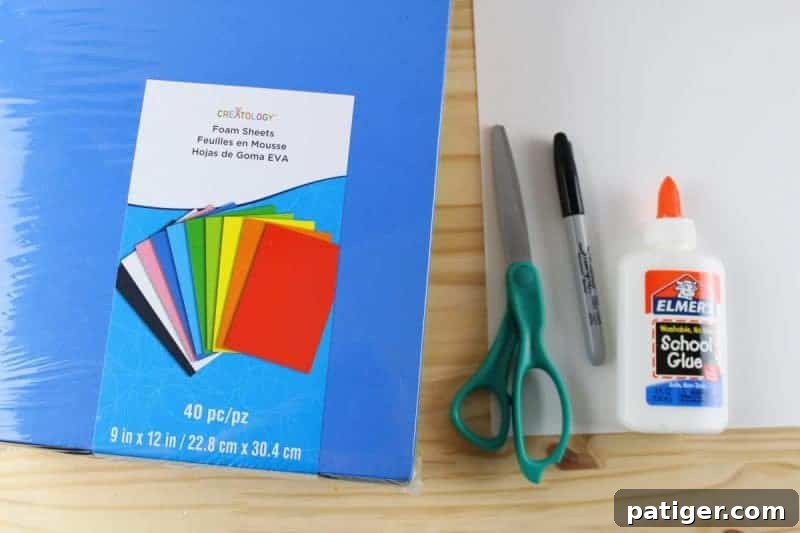
Gathering your materials before you begin will ensure a smooth and enjoyable crafting session. Here’s everything you’ll need to create your very own Letter A anchor:
- Letter A Template: Printed on sturdy paper or cardstock for easy tracing. Get your printable Letter A Template here.
- Anchor Template: Printed on paper or cardstock, ready to be traced. Download your printable Anchor Template here.
- Craft Foam or Colored Cardstock: We opted for craft foam due to its durability and ease of handling for small hands, but colored cardstock works equally well and offers a different texture. You can find craft foam sheets here or explore various colored cardstock options here.
- Child-Safe Scissors: Essential for developing cutting skills. Ensure they are appropriate for your child’s age. Grab your scissors here.
- Glue: A reliable glue stick or liquid glue suitable for paper and foam.
- Black Marker: For adding those final, striking details to your anchor. Find a good black marker here.
Step-by-Step Guide: Creating Your ‘Letter A is for Anchor’ Craft
Follow these simple instructions to bring your Letter A anchor to life. Remember to tailor the level of assistance to your child’s capabilities, making it a collaborative and enjoyable experience.
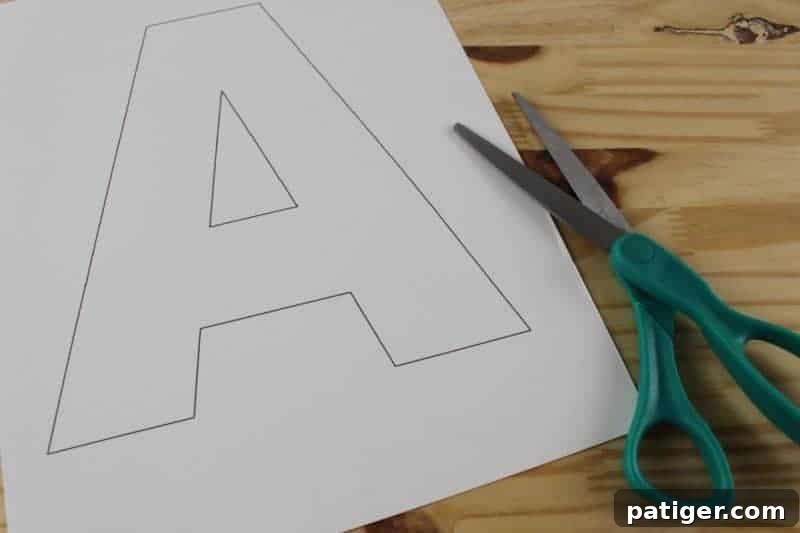
1. Prepare the Letter A Template: Begin by carefully cutting out the large letter ‘A’ shape from the provided printable template. If your child is old enough to use scissors safely, encourage them to try cutting along the lines. For younger children, this step is best handled by an adult to ensure a clean cut and prevent frustration. This will be your master template for tracing onto the craft foam.
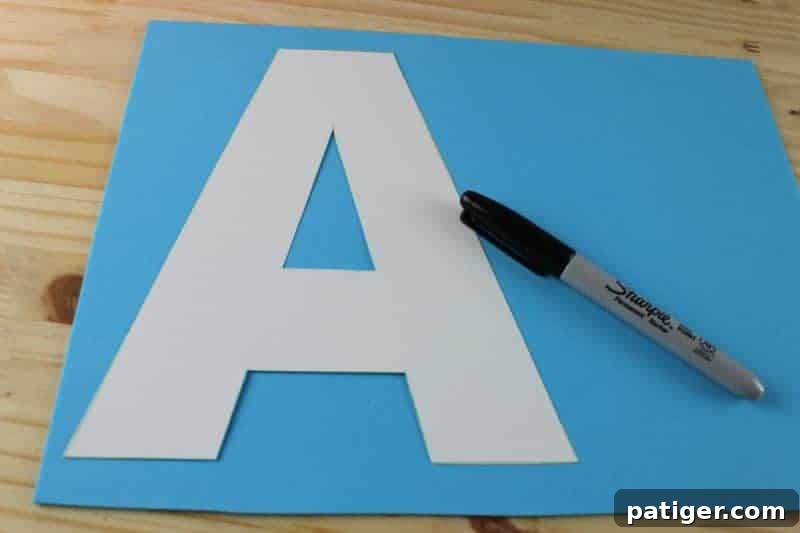
2. Trace the Letter A onto Craft Foam: Once you have your cutout letter A, place it onto your chosen color of craft foam (we used a bright yellow, but any color works beautifully!). Use a black marker or a pen to carefully trace around the edges of the letter A template. Encourage your child to hold the template steady and trace, or you can do this step for them if their tracing skills are still developing. Ensure the lines are clear enough to follow for the next cutting step.
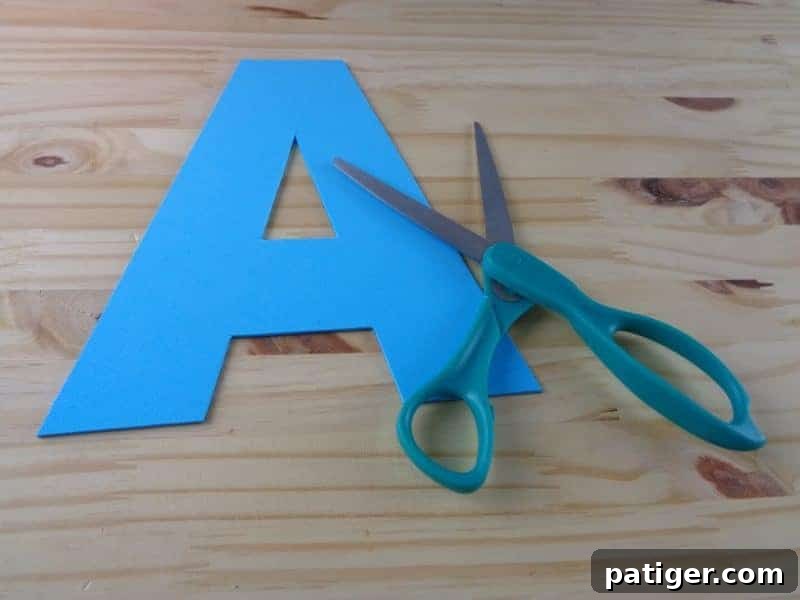
3. Cut Out the Craft Foam Letter A: With the letter A traced, it’s time to cut it out from the craft foam. This is an excellent opportunity for older children to practice their scissor skills. Remind them to cut slowly and carefully along the traced lines. For younger children, an adult should assist or complete this step to ensure safety and accurate shapes. The craft foam is generally easy to cut, making it ideal for budding crafters.
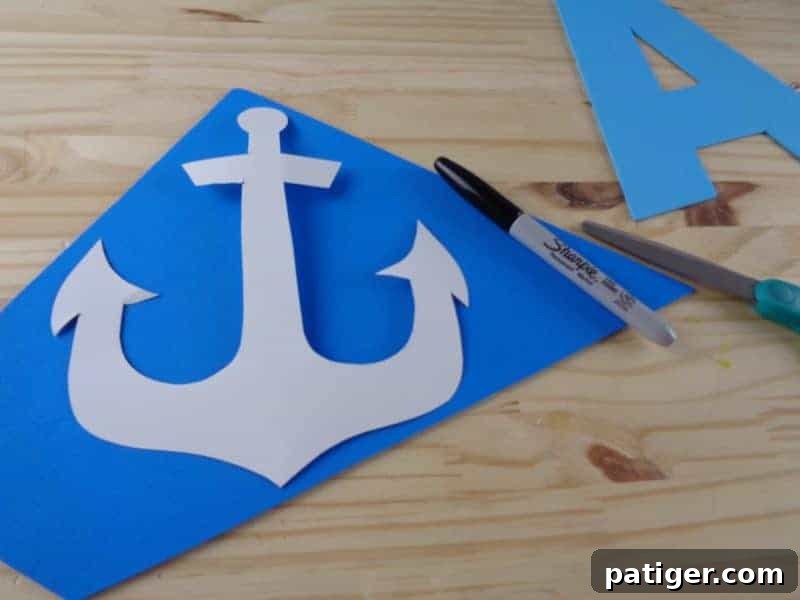
4. Prepare and Trace the Anchor: Now, let’s move on to the anchor! First, cut out the anchor shape from its printable template. Then, just as you did with the letter A, place this anchor template onto a contrasting piece of craft foam. We recommend a dark blue to evoke the ocean, but feel free to choose any color that sparks your child’s interest. Trace the anchor shape carefully onto the foam. This dual tracing process helps reinforce shape recognition and improves control.
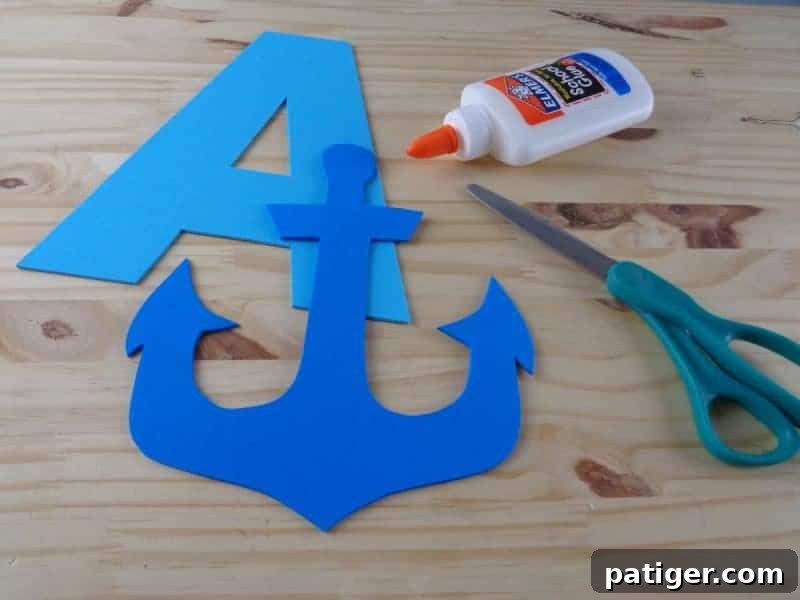
5. Cut Out the Craft Foam Anchor: Carefully cut out the traced anchor from the dark blue craft foam. Again, supervise and assist your child as needed. The anchor shape has some curves, which provides a slightly different cutting challenge than the straight lines of the letter A, further developing those important scissor skills. Once cut, you will have a beautiful anchor ready for assembly.
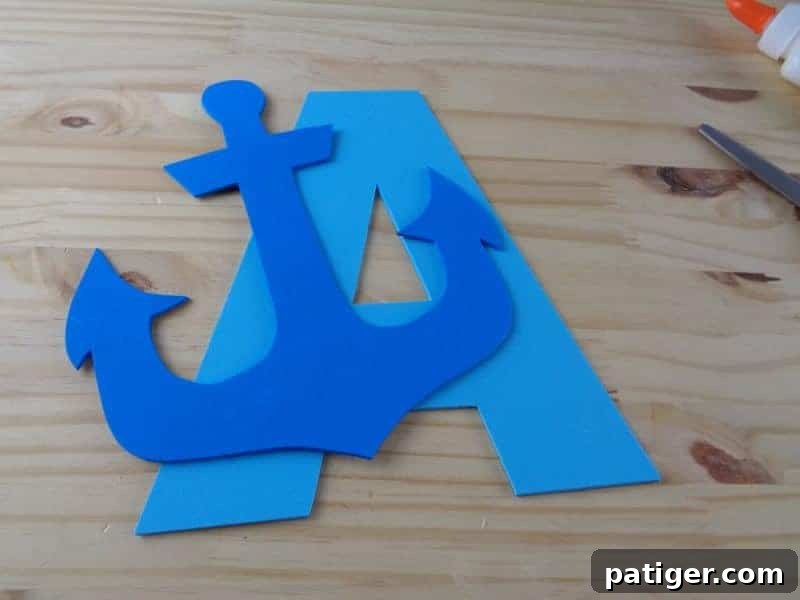
6. Assemble Your Craft: Glue the Anchor to the Letter A: Now for the exciting part – bringing your craft together! Apply glue to the back of your craft foam anchor. A moderate amount of glue is sufficient to ensure a good hold without making a mess. Carefully position the anchor onto the center of your craft foam letter A. Press down gently to secure it. This step is perfect for even the youngest crafters to participate in, fostering their sense of ownership and pride in their creation.
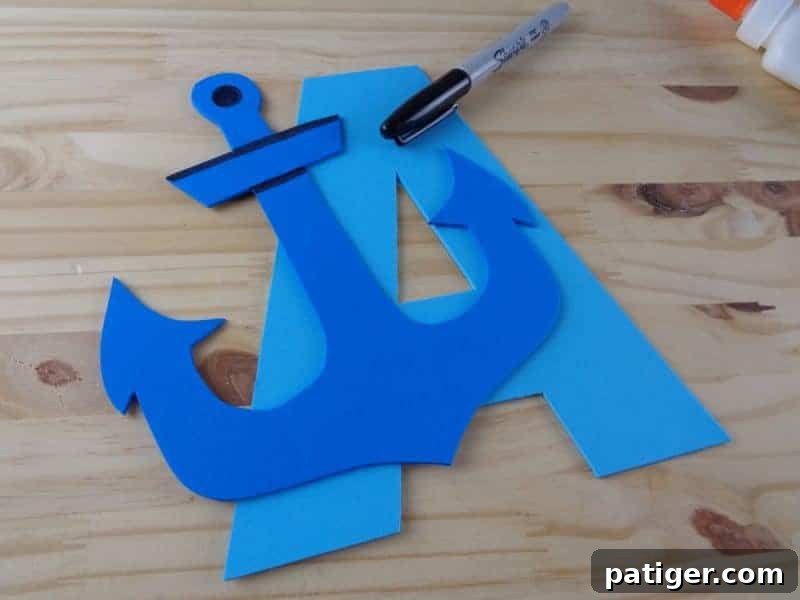
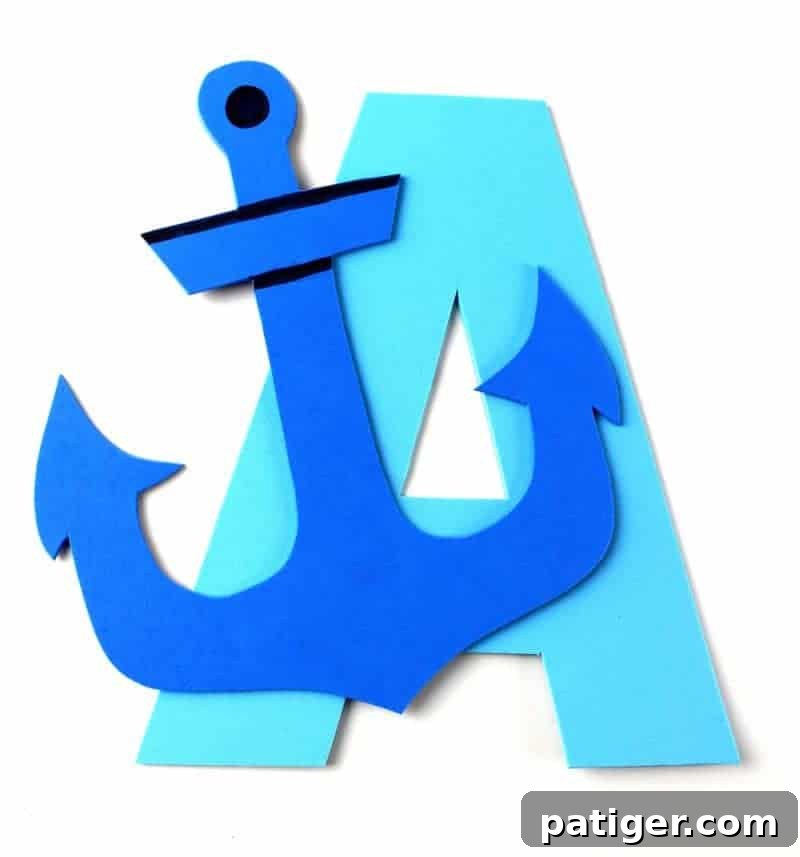
7. Add Decorative Details with a Black Marker: To give your anchor that authentic look, use a black marker to add some finishing touches. You can draw lines to represent the chain link, add a circle at the top, or even draw small decorative elements on the anchor itself. This step allows for a burst of creativity and further refines fine motor control. Encourage your child to add their own unique flair, making each anchor craft one-of-a-kind. Discuss what an anchor’s parts are as they draw them.
Creative Variations & Extensions for Your Anchor Craft
While the basic ‘Letter A is for Anchor’ craft is wonderful on its own, don’t hesitate to get creative and explore variations to make it even more personalized and engaging:
- Material Play: Instead of craft foam, try using felt, construction paper, or even recycled cardboard. Each material offers a different sensory experience and cutting challenge.
- Sparkle and Shine: Add glitter glue, sequins, or small rhinestones to the anchor for an extra touch of sparkle. This can be especially engaging for children who love tactile experiences.
- Paint It Up: Instead of pre-colored foam, use white foam or cardstock and let children paint their letter A and anchor before cutting. This adds another layer of artistic expression.
- Ocean Theme: Extend the learning by creating a background for your anchor. You could use blue paper for the ocean and add paper fish, seaweed, or even a drawn shipwreck around the anchor.
- Letter A Words: Brainstorm other words that start with the letter A (apple, alligator, airplane, ant) and encourage your child to draw or cut out small pictures of these items to place around their finished A-for-Anchor craft.
- Display Ideas: Punch a hole at the top and add a string to hang the craft as a mobile, or glue it onto a larger piece of paper to create a themed poster. These crafts make fantastic additions to a child’s bedroom or a classroom alphabet wall.
Tips for a Smooth and Enjoyable Crafting Session
To ensure your ‘Letter A is for Anchor’ crafting experience is as fun and stress-free as possible, consider these helpful tips:
- Prepare Ahead: Gather all your supplies before inviting your child to the crafting table. Having everything within reach minimizes interruptions and keeps the focus on the activity.
- Set Up a Designated Space: Choose a clear, protected surface for crafting. Lay down newspaper or a craft mat to catch any glue spills or stray foam pieces, making cleanup much easier.
- Manage Expectations: Remember that the goal is participation and learning, not perfection. Children’s crafts are meant to be unique and reflect their developmental stage. Celebrate their effort and creativity regardless of the outcome.
- Encourage Independence: While supervision and assistance are important, try to let your child do as much as they can independently. This fosters confidence and develops a sense of accomplishment.
- Talk and Learn: Use the crafting time as an opportunity for conversation. Talk about the letter A, the sound it makes, what an anchor is, where it’s found, and other things that start with A. This enhances the learning experience.
- Break It Down: If your child has a shorter attention span, consider breaking the craft into smaller steps over a couple of sessions. For example, cut one day and glue the next.
- Clean Up Together: Involve your child in the cleanup process. This teaches responsibility and reinforces the idea that crafting is a complete activity, from start to finish.
I sincerely hope you and your little one enjoyed creating this delightful ‘Letter A is for Anchor’ craft! It’s a fantastic way to introduce early literacy concepts through play and hands-on engagement. Seeing their proud faces as they complete their letter A project is truly rewarding.
Don’t forget to look out for our next installment in the “Letter of the Week” series! We’ll be setting sail towards a super fun Letter B craft, which will be posted right here next week. Get ready for more creative adventures!
Until next time, happy crafting and happy learning!